Mushrooms — Sacred Fungi & Earth Wisdom.

Mushrooms, mycelium, and grounded vitality.

ENTER THE SANCTUARY

Avonoria / The mushroom collection

Fungi,
up close.

A closer look at fungal forms, compounds and the questions behind the research. Explore 12 species profiles and a separate collection of psilocybin fungi and Amanita muscaria.

EXPLORE THE COLLECTION PSILOCYBIN FUNGI & AMANITA

A living reading collection: natural history, traditions, personal accounts and study-specific evidence. Updated 26 October 2026.

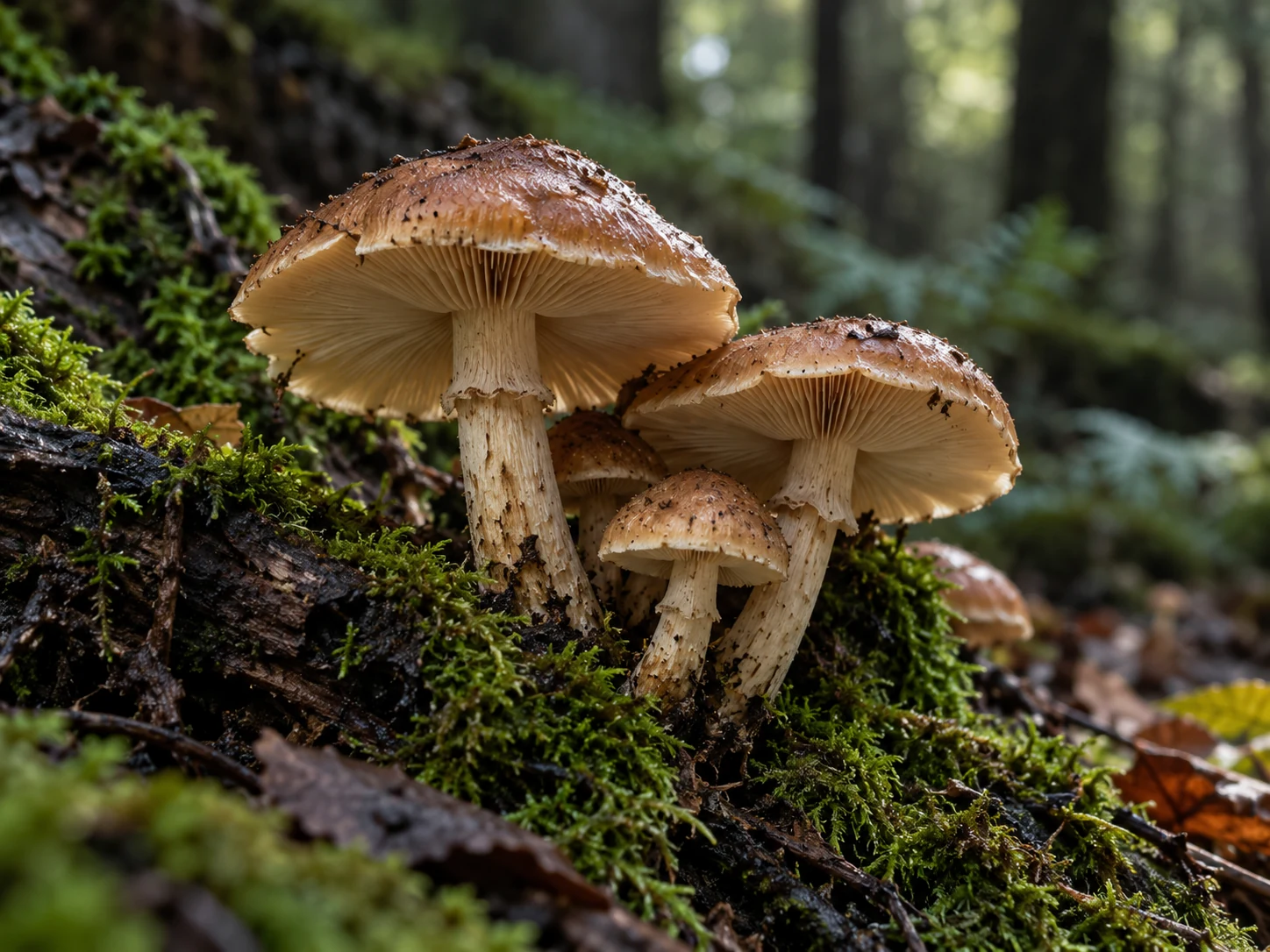
Photorealistic illustration of woodland mushrooms on moss-covered wood
FOREST STUDYAI-generated illustration · not a species reference
Explore a form in 3D Optional artistic study
Decorative forest scene, not a reference for the simplified 3D model

Fungal forms · an artistic study

A simplified geometric study. It does not reconstruct the forest image or represent a named species.

01 / The collection

12 fungi.
Many ways to explore.

Browse by name, compound or research topic, then explore traditions, preparation forms and linked studies.

12 SPECIES IN THE COLLECTION

The functional mushroom shop / Coming soon

From the collection
to the shop.

Our functional mushroom shop is being prepared. Products, prices and availability are not yet published.

This page is an educational collection. Purchasing is not available in this preview.

← Return to the collection

02 / A different chemistry

Psilocybin fungi
& Amanita muscaria.

Six profiles. Natural history, receptor mechanisms and the limits of the evidence. Read the species, then follow the research.

01 / Psilocybe

Psilocybin → psilocin

Five species from the supplied material. A serotonergic research context, with variable natural chemistry.

02 / Amanita

Muscimol & ibotenic acid

A separate isoxazole profile. Amanita muscaria is not a psilocybin mushroom.

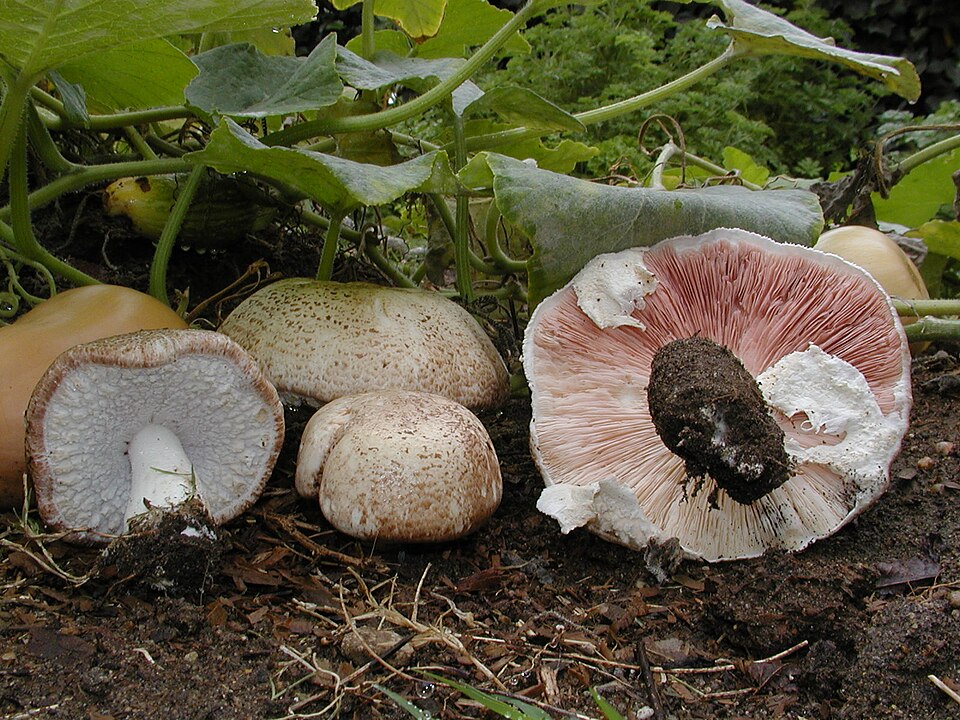
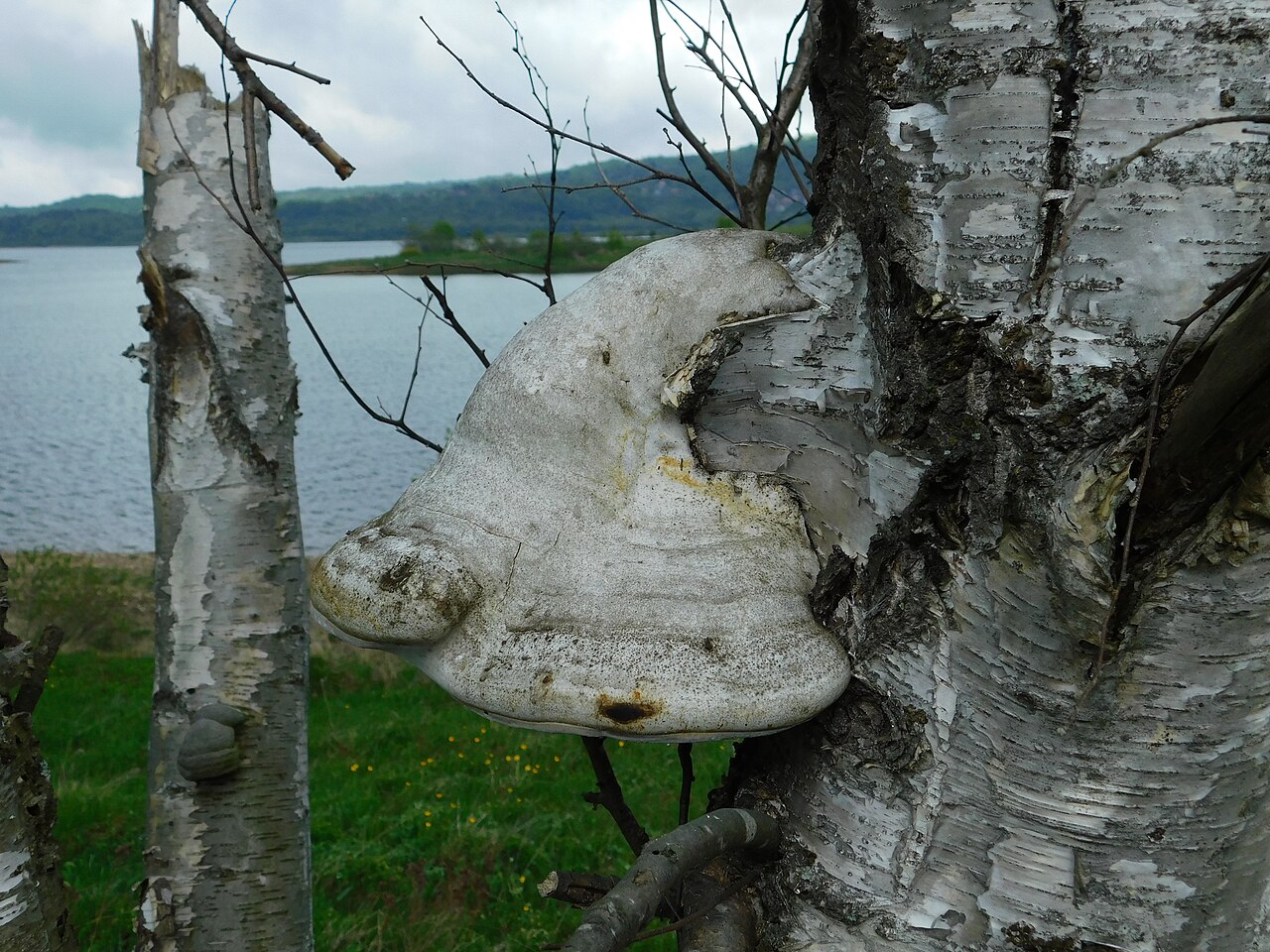
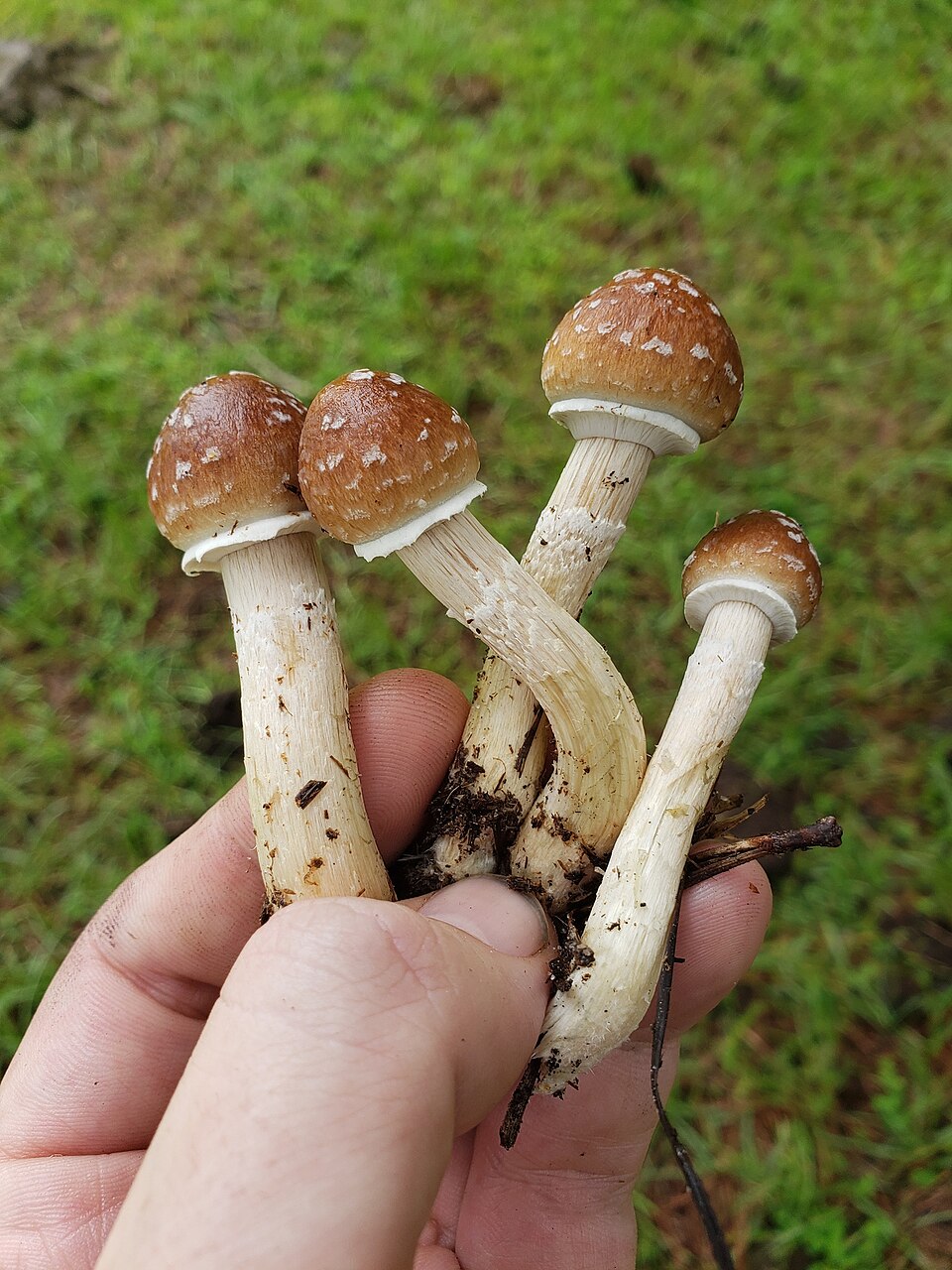
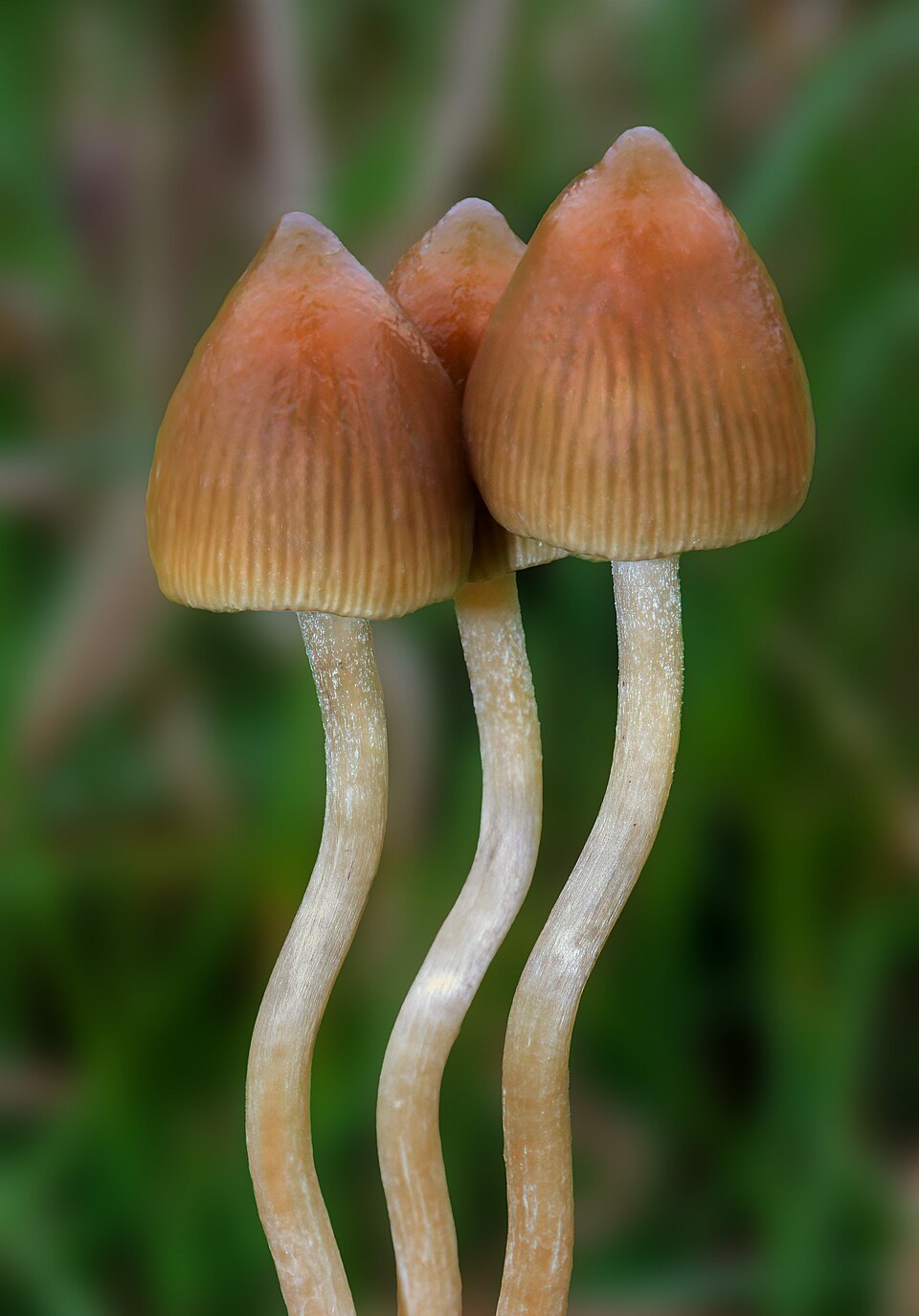
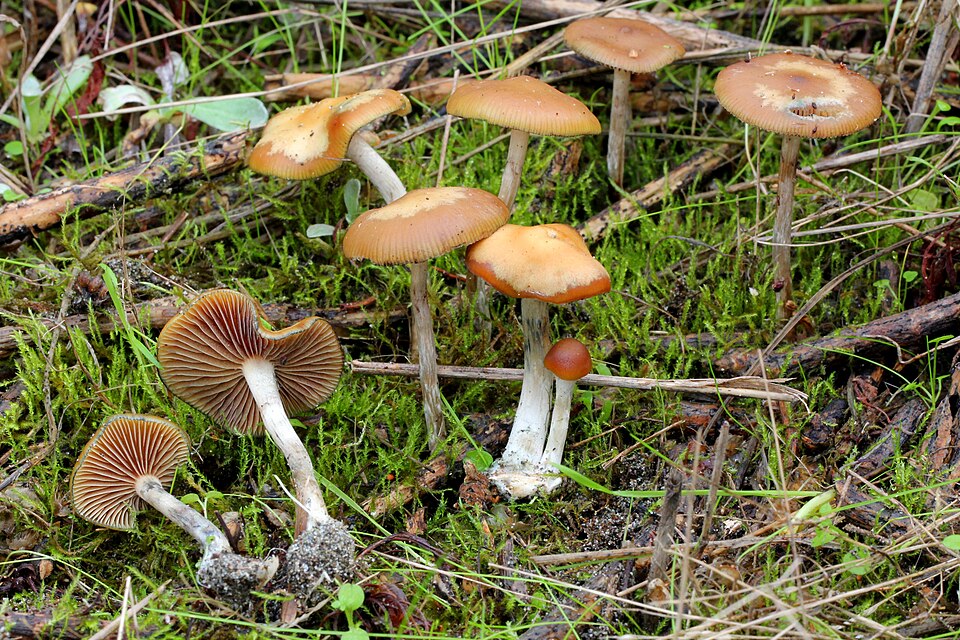
An educational collection, not a consumption or identification guide. Photographs show credited reference specimens; they cannot establish the identity or safety of a mushroom you find.

6 SPECIES IN THIS COLLECTION

Natural history & biochemistry

Keep the distinction clear.

Ecology is summarized from the supplied text. Compound names do not imply a predictable concentration, effect or safe dose.

Six profiles · ecology and compounds
SpeciesEcology in the sourceCompounds discussed
Psilocybe cubensisDung-associated / tropical & subtropicalPsilocybin, psilocin, baeocystin, norbaeocystin
Psilocybe semilanceataGrassland / temperate regionsPsilocybin, psilocin, baeocystin
Psilocybe cyanescensDecaying wood / wood-rich litterPsilocybin, psilocin, baeocystin, aeruginascin
Psilocybe azurescensWoody material / coastal sandy habitatsPsilocybin, psilocin, baeocystin
Psilocybe mexicanaSoil / subtropical grasslandPsilocybin, psilocin, baeocystin, norbaeocystin
Amanita muscariaForest-associated AmanitaMuscimol, ibotenic acid; muscarine in small quantities

The research notebook

From mechanism
to clinical evidence.

Studies of a defined drug, studies of fungal chemistry and personal reports answer different questions.

01

From psilocybin to psilocin

The supplied text describes psilocybin as a prodrug converted by dephosphorylation to psilocin. Psilocin acts at serotonin receptors, prominently 5-HT2A. This serotonergic profile differs from muscimol’s GABA_A activity.

02

Brain networks

The attachment discusses fMRI observations of altered default-mode-network organization and connectivity during psychedelic states. These are research observations, not a simple causal proof that a network change produces recovery from depression.

03

Plasticity: keep the evidence level visible

BDNF, TrkB/mTOR signalling, dendritic spines and synapse formation are discussed in the supplied preclinical account. Cell and animal findings cannot by themselves establish a therapeutic mechanism, clinical benefit or safety in humans.

04

Clinical context & limits

The cited trials use defined psilocybin products, screening and psychological support or psychotherapy. Protocols differ; not every study uses identical therapy or eligibility rules. Whole mushrooms have variable chemistry. Reported trial outcomes cannot be transferred directly to unsupervised mushroom use.

Safety remains part of the evidence.

The supplied material describes acute psychological distress and physiological effects. Trial eligibility criteria vary, and selected study populations cannot establish safety for everyone. Clinical support does not eliminate risk. The EPISODE study also reported serious adverse reactions. Do not change medication or treat withdrawal on the basis of this reading collection.

Goodwin et al. · 2022Treatment-resistant depression

Phase II trial · 233 participants

The trial found a greater reduction in depression scores at week 3 in the higher-dose psilocybin group than in the low-dose control group, with psychological support. Adverse events were reported. The result concerns a defined protocol, not a species of mushroom.

Carhart-Harris et al. · 2021Comparison with escitalopram

Randomized trial · 6 weeks

The difference on the prespecified primary depression outcome was not statistically significant. This does not establish equivalence. Some secondary outcomes favoured psilocybin, but those analyses were not corrected for multiple comparisons.

Raison et al. · 2023Major depressive disorder

Randomized trial · 104 participants

The study reported a greater reduction in depressive symptoms with psilocybin plus psychological support than with active placebo during six weeks of follow-up. Selected participants and a controlled setting limit generalization to unsupervised use.

Mertens et al. · 2026EPISODE: a necessary qualification

Randomized trial · 144 participants

The trial did not show a significant effect on its primary endpoint: depression response at week 6. Secondary symptom measures favoured the higher-dose group. The authors describe the overall result as inconclusive and report safety signals, including serious adverse reactions. Blinding difficulties do not replace the primary endpoint result.

Griffiths et al. / Ross et al. · 2016Cancer-related anxiety & depression

Two small randomized crossover studies

Both studies reported sustained improvements in distress in selected people with life-threatening cancer receiving psychological support. Their follow-up and crossover designs require careful interpretation. The source’s combined “70–80%” figure is not presented as a universal response rate.

Bogenschutz et al. · 2022Alcohol use disorder

Randomized trial with psychotherapy

The psilocybin group had fewer heavy-drinking days during follow-up than the active-placebo group. Both groups received psychotherapy. This is evidence about a supervised study, not a method for managing alcohol withdrawal at home.

Johnson et al. · 2014 and 2026Smoking: distinguish the two studies

Open-label pilot → pilot randomized trial

The 2014 pilot reported 7-day point-prevalence abstinence at six months in 12 of 15 participants (80%). In the 2026 randomized pilot, prolonged abstinence was 40.5% with psilocybin versus 10.0% with nicotine patches; 7-day point-prevalence abstinence was 52.4% versus 25.0%. Both groups received CBT. These are different endpoints, not a single “60–80%” success rate.

Explore Amanita: tradition, experience & research ↗

Sources / checked 2026-10-17

Read with the source beside you.

English profiles are edited from the supplied Polish material. Selected claims were checked against the papers linked here; this is not a complete scientific review. No “verified” efficacy badges or potency scores are assigned.

Editorial notes · what changed and why
  1. Numeric alkaloid ranges are preserved in the original source. They are not converted into fixed species specifications, dosing advice or strength rankings. The prose and table disagree for P. cubensis and P. mexicana.
  2. The supplied “highest concentration” label for P. azurescens and universal stability claim for P. semilanceata are not adopted. Chemical studies show substantial sample variability.
  3. EPISODE (2026) did not achieve its primary endpoint. The 2021 escitalopram trial did not establish equivalence. Tobacco study endpoints and study designs are distinguished.
  4. Amanita mortality of 2–5% and withdrawal symptoms in 17–25% were not substantiated in this check. The original numbers remain in the source archive with this warning.
  5. The HMC3 experiment is described with its actual direction of effect: increased IL-8 in the tested inflammatory context, not demonstrated anti-inflammatory efficacy.
  6. WLP causation, human benefits of microdosing Amanita, and the source’s assertions about universal clinical exclusions remain unestablished here. A receptor mechanism alone cannot establish tolerance or a withdrawal rate.
  7. The original source mentions RAND, Toxics and Turkia (2023) without complete study identifiers. These are retained as supplied references, not converted into invented citations. This is a focused editorial check, not a systematic scientific review.
Original Polish material · psilocybin fungi

Archiwum dostarczonego tekstu, nie zatwierdzona informacja medyczna. Zawiera twierdzenia wymagające korekty lub potwierdzenia; uwagi redakcyjne znajdują się powyżej.

W literaturze mykologicznej, biochemicznej i neuropsychiatrycznej grzyby psylocybinowe stanowią unikalną grupę makrogrzybów saprotroficznych, syntetyzujących psychoaktywne alkaloidy indolowe.

Współczesna medycyna bada psylocybinę jako modelowy psychodelik w neuropsychofarmakologii. Istnieje jednak zasadnicze rozróżnienie metodologiczne: **w badaniach klinicznych stosuje się syntetyczną, wysoce oczyszczoną psylocybinę farmaceutyczną o ściśle zdefiniowanej dawce miligramowej, podawaną w asyście psychoterapii (tzw. *psilocybin-assisted psychotherapy*), podczas gdy profil fitochemiczny surowca naturalnego cechuje się dużą fluktuacją stężeń alkaloidów i obecnością metabolitów towarzyszących**.

Poniżej przedstawiono analizę 5 najlepiej udokumentowanych naukowo gatunków z rodzaju *Psilocybe*, mechanizmy neurobiologiczne oraz stan badań klinicznych nad ich terapeutycznym potencjałem.

---

### 1. Pięć najszerzej opisanych gatunków grzybów psylocybinowych

#### 1. *Psilocybe cubensis* (Łysiczka kubańska)

* **Mykologia i siedlisko:** Gatunek koprofilny, występujący naturalnie w wilgotnych rejonach tropikalnych i subtropikalnych, kolonizujący odchody roślinożerców oraz gleby bogate w próchnicę. Morfologicznie charakteryzuje się dużym kapeluszem (od 2 do 8 cm) o barwie od złocistej do żółtobrązowej oraz obecnością wyraźnego pierścienia na trzonie.


* **Profil biochemiczny:** Zawartość psylocybiny waha się średnio w przedziale 0,5–1,2% suchej masy, a psylocyny 0,1–0,6%. Gatunek wytwarza także mniejsze ilości baeocystyny i norbaeocystyny. Reakcja sinienia (utleniania związków indolowych pod wpływem enzymów lakazowych) jest wyraźna na trzonie i kapeluszu po uszkodzeniu mechanicznym.


* **Status w badaniach:** Najpowszechniej stosowany gatunek referencyjny w badaniach hodowlanych i mykochemicznych ze względu na łatwość adaptacji do kontrolowanych warunków laboratoryjnych.


#### 2. *Psilocybe semilanceata* (Łysiczka lancetowata / *Liberty Cap*)

* **Mykologia i siedlisko:** Gatunek typowy dla rodzaju *Psilocybe*, szeroko rozpowszechniony w strefie klimatu umiarkowanego, w tym w całej Europie. Jest grzybem saprotroficznym rosnącym w trawie, na pastwiskach i łąkach (nie bezpośrednio na nawozie, lecz na rozkładających się korzeniach traw). Posiada charakterystyczny, dzwonkowato-stożkowaty kapelusz z wyraźną brodawką (*papilla*) na szczycie i higrofaniczną, lepką skórką.


* **Profil biochemiczny:** Odznacza się stabilnym i wysokim stężeniem psylocybiny (często rzędu 0,8–1,8% suchej masy) przy minimalnym udziale wolnej psylocyny, co sprawia, że surowiec ten wykazuje mniejszą tendencję do spontanicznej degradacji tlenowej podczas suszenia.
* **Status w badaniach:** Najdokładniej zbadany dziko rosnący europejski gatunek psychotropowy, często analizowany w profilowaniu kryminalistycznym i toksykologicznym w laboratoriach unijnych.

#### 3. *Psilocybe cyanescens* (Łysiczka błękitniejąca / *Wavy Cap*)

* **Mykologia i siedlisko:** Grzyb lignikolny (drewnolubny), zasiedlający wilgotne podłoża leśne bogate w próchniejące zrębki drzewne, ściółkę oraz ściółkowane tereny parkowe w Ameryce Północnej i Europie Środkowo-Zachodniej. Charakteryzuje się pofalowanym brzegiem kapelusza u dojrzałych owocników oraz intensywną reakcją sinienia.


* **Profil biochemiczny:** Wysoce aktywny alkaloidowo; łączne stężenie psylocybiny i psylocyny wynosi średnio 1,0–1,9% suchej masy. Często zawiera wyższe proporcje wolnej psylocyny w porównaniu z *P. semilanceata*.


* **Szczególne zjawisko neurotoksykologiczne:** W raportach obserwacyjnych i forach mykologicznych gatunek ten (wraz z innymi grzybami drewnolubnymi) bywa powiązany z przejściowym paraliżem mięśni szkieletowych (*Wood Lover's Paralysis* – WLP). Mechanizm ten nie został jeszcze w pełni wyjaśniony biochemicznie (podejrzewa się udział specyficznych metabolitów aeruginascyny lub zablokowanie przekaźnictwa nerwowo-mięśniowego).


#### 4. *Psilocybe azurescens* (Łysiczka błękitnawa / *Flying Saucer*)

* **Mykologia i siedlisko:** Gatunek opisany przez Paula Stametsa i Gastóna Guzmána w latach 90. XX wieku, endemiczny dla rejonów przybrzeżnych północno-zachodniego Pacyfiku w USA (ujście rzeki Columbia). Rośnie na piaszczystych glebach bogatych w szczątki drzewne i trawy wydmowe.


* **Profil biochemiczny:** Uznawany za jeden z najsilniejszych pod względem zawartości tryptamin znanych makrogrzybów. Stężenie psylocybiny sięga w nim 1,8%, psylocyny do 0,5%, a baeocystyny do 0,35% (sumaryczne stężenie alkaloidów może przekraczać 2,5% suchej masy).


* **Status w badaniach:** Stanowi model badawczy dla analizy skrajnej biosyntezy metabolitów wtórnych i kinetyki enzymatycznej szlaku syntazy tryptaminowej (kinaza PsiK, dekarboksylaza PsiD, metylotransferaza PsiM).

#### 5. *Psilocybe mexicana* (Łysiczka meksykańska)

* **Mykologia i siedlisko:** Występuje w subtropikalnych regionach Meksyku i Gwatemali na łąkach i polanach wapiennych. Ma niewielkie owocniki i unikalną zdolność do tworzenia przetrwalnikowych struktur podziemnych – sklerocjów (tzw. „kamienie filozoficzne” lub „trufle”).


* **Profil biochemiczny:** Względnie umiarkowana potęga farmakologiczna (psylocybina 0,25–0,6% w owocnikach, nieco niższa w sklerocjach), z obecnością baeocystyny.


* **Znaczenie historyczno-naukowe:** Gatunek o fundamentalnym znaczeniu dla farmakognozji – to z kultur *P. mexicana* dostarczonych przez Walentynę i Roberta Gordona Wassonów oraz Rogera Heima szwajcarski chemik Albert Hofmann w 1958 roku po raz pierwszy wyizolował, opisał chemicznie i zsyntetyzował psylocybinę oraz psylocynę.


---

### Zestawienie profilu fitochemicznego i ekologicznego

| Gatunek | Ekologia / Substrat | Profil alkaloidowy (sucha masa) | Główne związki czynne | Unikalne cechy farmakochemiczne |
| --- | --- | --- | --- | --- |
| ***Psilocybe cubensis***<br> | Koprofilny / glebowy (nawozy, kompost)

 | Umiarkowany (ok. 0,6–1,2%)

 | Psylocybina, psylocyna, baeocystyna

 | Światowy standard hodowli laboratoryjnej i analizy metabolomicznej

 |
| ***Psilocybe semilanceata***<br> | Trawolubny (pastwiska klimatu umiarkowanego)

 | Wysoki (ok. 0,8–1,8%)

 | Psylocybina (głównie), śladowa psylocyna | Bardzo wysoka stabilność oksydacyjna podczas suszenia |
| ***Psilocybe cyanescens***<br> | Lignikolny (zrębki drzewne, ściółka)

 | Bardzo wysoki (ok. 1,0–1,9%)

 | Psylocyna, psylocybina, aeruginascyna

 | Doniesienia o zjawisku przejściowego osłabienia mięśniowego (*WLP*)

 |
| ***Psilocybe azurescens***<br> | Lignikolny / piaski nadrzeczne i wydmowe

 | Wyjątkowo wysoki (>2,0–2,5%)

 | Psylocybina, baeocystyna, psylocyna | Najwyższa znana koncentracja alkaloidów indolowych

 |
| ***Psilocybe mexicana***<br> | Glebowy (łąki górskie i subtropikalne)

 | Niski / umiarkowany (ok. 0,3–0,7%) | Psylocybina, baeocystyna, norbaeocystyna | Tworzenie sklerocjów; pierwotne źródło izolacji cząsteczki przez Hofmanna

 |

---

### 2. Neurobiologia i mechanizmy działania

* **Farmakokinetyka (defosforylacja):** Psylocybina (4-fosforyloksy-$N,N$-dimetylotryptamina) jest prolekiem. Po podaniu doustnym ulega szybkiej defosforylacji w przewodzie pokarmowym i osoczu pod wpływem jelitowej fosfatazy alkalicznej do lipofilnej psylocyny (4-hydroksy-$N,N$-dimetylotryptaminy), która z łatwością pokonuje barierę krew-mózg.


* **Agonizm receptora $5-HT_{2A}$:** Psylocyna działa jako częściowy agonista postsynaptycznych receptorów serotoninowych $5-HT_{2A}$, zlokalizowanych gęsto na neuronach piramidowych warstwy V kory mózgowej. Pobudzenie to prowadzi do wzmożonego uwalniania glutaminianu i kaskady sygnalizacyjnej zależnej od fosfolipazy C (PLC).


* **Modulacja sieci wzbudzeń podstawowych (DMN):** Badania neuroobrazowe fMRI (m.in. Carhart-Harris i wsp.) wykazały, że psylocybina przejściowo zmniejsza integralność i sprzężenie funkcjonalne sieci wzbudzeń podstawowych (*Default Mode Network* – DMN), odpowiadającej za autorefleksję, ruminacje i poczucie spójnego „ja”. Prowadzi to do zjawiska tzw. rozpadu ego (*ego dissolution*) oraz globalnego wzrostu łączności funkcjonalnej pomiędzy obszarami mózgu, które normalnie nie komunikują się ze sobą.


* **Neuroplastyczność i synaptogeneza:** Badania przedkliniczne wykazują, że aktywacja szlaku TrkB/mTOR i pobudzenie ekspresji BDNF (*Brain-Derived Neurotrophic Factor*) stymuluje gwałtowne kiełkowanie kolców dendrytycznych i powstawanie nowych połączeń synaptycznych, co uważa się za podłoże biologiczne znoszenia sztywnych schematów poznawczych.

---

### 3. Właściwości zdrowotne i wyniki badań klinicznych (EBM)

Główne wskazania badane w ramach rygorystycznych protokołów medycyny opartej na dowodach obejmują:

1. **Depresja lekooporna (TRD) i duża depresja (MDD):**
* Badanie fazy IIb Goodwin i wsp. (NEJM 2022) z udziałem 233 pacjentów wykazało, że pojedyncza dawka 25 mg syntetycznej psylocybiny w asyście psychologicznej wywołała statystycznie istotne obniżenie nasilenia objawów depresji w skali MADRS w 3. tygodniu w porównaniu z dawką kontrolną 1 mg.


* Badanie Carhart-Harris i wsp. (NEJM 2021) porównujące psylocybinę z klasycznym lekiem z grupy SSRI (escitalopram) wykazało porównywalną skuteczność przeciwdepresyjną na głównym punkcie końcowym, przy wyraźniejszej poprawie parametrów dobrostanu psychicznego, anhedonii i zdolności odczuwania emocji w ramieniu z psylocybiną.


* Próba Raison i wsp. (JAMA 2023) potwierdziła szybką i utrzymującą się redukcję objawów depresyjnych po pojedynczej dawce u pacjentów z MDD.


* *Niuans metodologiczny (2026):* Badanie EPISODE (Mertens i wsp., JAMA Psychiatry 2026, n=144) z rygorystycznym potrójnym zaślepieniem zwróciło uwagę środowiska naukowego na istotny wpływ trudności w utrzymaniu pełnego zaślepienia uczestników i terapeutów (*unblinding*), wskazując, że wielkość efektu leku w warunkach ściśle kontrolowanych może być bardziej umiarkowana niż w badaniach otwartych.


2. **Lęk egzystencjalny w terminalnej chorobie nowotworowej:**
* Przełomowe próby z Johns Hopkins University (Griffiths i wsp., 2016) oraz NYU (Ross i wsp., 2016) wykazały, że u ponad 70–80% pacjentów onkologicznych z lękiem i depresją związaną z perspektywą śmierci pojedyncza sesja z psylocybiną wywołała trwałe, utrzymujące się przez ponad 6 miesięcy obniżenie wskaźników lęku i poprawę jakości życia.


3. **Zaburzenia używania substancji (uzależnienia):**
* *Alkoholizm:* Badanie Bogenschutz i wsp. (JAMA Psychiatry 2022) wykazało istotne zmniejszenie odsetka dni intensywnego picia u osób z uzależnieniem od alkoholu otrzymujących psylocybinę w połączeniu z psychoterapią w porównaniu z aktywnym placebo (difenhydraminą).
* *Uzależnienie od tytoniu:* Badania Johns Hopkins (Johnson i wsp.) wykazały 6-miesięczną abstynencję na poziomie przekraczającym 60–80% u palaczy poddanych protokołowi psychodelicznemu, potwierdzoną w próbach porównawczych z nikotynową terapią zastępczą.


---

### 4. Bezpieczeństwo, przeciwwskazania i wyzwania translacyjne

* **Toksyczność fizyczna:** Psylocybina charakteryzuje się bardzo korzystnym profilem bezpieczeństwa fizjologicznego – wskaźnik terapeutyczny jest szeroki, a lek nie wywołuje uzależnienia fizycznego ani zespołu odstawiennego. W trakcie sesji obserwuje się przejściowy, umiarkowany wzrost ciśnienia tętniczego i tętna oraz sporadyczne bóle głowy lub nudności w fazie wejścia.


* **Ryzyka psychiczne i kryteria wykluczenia:** Głównym zagrożeniem są ostre reakcje lękowe (*bad trip*), dysforia oraz epizody psychotyczne u osób predysponowanych. Ze wszystkich badań klinicznych bezwzględnie wyklucza się osoby z osobistym lub rodzinnym wywiadem w kierunku schizofrenii, zaburzeń psychotycznych oraz choroby afektywnej dwubiegunowej typu I ze względu na ryzyko wyindukowania trwałej dekompensacji psychotycznej lub manii.


* **Konieczność kontekstu klinicznego (*Set and Setting*):** Wyniki badań klinicznych nie przekładają się wprost na nieselekcjonowane użycie rekreacyjne. Skuteczność terapeutyczna opiera się na kilkutygodniowym przygotowaniu psychologicznym, obecności wykwalifikowanych opiekunów podczas 6–8 godzinnej sesji oraz późniejszej integracji doświadczenia.


Would you like me to do a more in-depth research instead and propose a research plan?
Original Polish material · Amanita muscaria

Archiwum tekstu z wiadomości. Liczby 2–5% i 17–25% nie zostały potwierdzone w tym sprawdzeniu. Nie należy traktować ich jako ustalonych danych.

Analiza biochemiczna, neurofarmakologiczna i toksykologiczna *Amanita muscaria* (muchomora czerwonego) w oparciu o niezależne badania naukowe i literaturę akademicką opiera się na precyzyjnym rozróżnieniu pomiędzy mitami historycznymi a rzeczywistym profilem receptorowym jego metabolitów.

### 1. Profil fitochemiczny i metabolity bioaktywne

Wbrew potocznym przekonaniom wywodzącym się z XIX-wiecznej mykologii, głównym czynnikiem oddziaływania tego gatunku nie jest muskaryna. Muskaryna występuje w owocnikach w ilościach śladowych (zazwyczaj poniżej 3 ppm) i nie odpowiada za charakterystyczne działanie psychotropowe i neurobiologiczne.

Kluczowymi związkami biologicznie czynnymi *Amanita muscaria* są pochodne izoksazolowe:

* **Kwas ibotenowy** (kwas $\alpha$-amino-3-hydroksy-5-izoksazolooctowy): Związek o budowie zbliżonej do kwasu glutaminowego. Działa jako agonista jonotropowych receptorów glutaminianowych, przede wszystkim NMDA. W neurobiologii doświadczalnej czysty kwas ibotenowy jest stosowany m.in. jako narzędzie neurotoksyczne do wybiórczego uszkadzania określonych struktur mózgowych w modelach laboratoryjnych.
* **Muscymol** (3-hydroksy-5-aminometylizoksazol): Główny metabolit psychoaktywny powstający w wyniku dekarboksylacji kwasu ibotenowego. Jest silnym, selektywnym agonistą jonotropowych receptorów kwasu $\gamma$-aminomasłowego ($GABA_A$).
* **Inne związki towarzyszące**: Muskazon (produkt fotochemiczny rozpadu kwasu ibotenowego), amawadyna (unikalny kompleks wanado-organiczny o nie do końca poznanej roli biologicznej) oraz ergosterol.

W świeżym owocniku dominuje kwas ibotenowy, natomiast pod wpływem temperatury, suszenia czy obróbki kwasowej ulega on częściowej dekarboksylacji do muscymolu. Stosunek stężeń kwasu ibotenowego do muscymolu (wskaźnik IA/MUS) charakteryzuje się skrajną zmiennością – zależy od stopnia dojrzałości grzyba, warunków siedliskowych, pory zbioru oraz metody przetwarzania.

### 2. Mechanizmy neurofarmakologiczne

Podstawowe mechanizmy działania metabolitów *A. muscaria* na ośrodkowy układ nerwowy (OUN) wynikają z jednoczesnego lub sekwencyjnego oddziaływania na dwa przeciwstawne układy neuroprzekaźnikowe:

* **Szlaki GABAergiczne ($GABA_A$):** Muscymol z łatwością przenika barierę krew-mózg i wiąże się bezpośrednio z miejscem wiązania GABA na receptorze $GABA_A$, otwierając kanały chlorkowe i prowadząc do hiperpolaryzacji błony postsynaptycznej. Skutkuje to zahamowaniem pobudliwości neuronów, wywołując sedację, miorelaksację, działanie przeciwdrgawkowe oraz dysocjacyjne zmiany percepcji.
* **Modulacja wygaszania lęku (Fear Extinction):** W neurobiologii przedklinicznej muscymol stanowi standardowe narzędzie do badania funkcji struktur limbicznych. Klasyczne badania (np. Akirav i wsp., 2006) wykazały, że lokalna mikromikroinfuzja muscymolu do ciała migdałowatego i kory przedczołowej u szczurów moduluje procesy wygaszania reakcji lękowych, co potwierdza bezpośrednią rolę receptorów $GABA_A$ w plastyczności pamięci emocjonalnej.
* **Oddziaływanie glutaminergiczne (NMDA):** Kwas ibotenowy wykazuje powinowactwo do receptorów NMDA, stymulując napływ jonów $Ca^{2+}$ do wnętrza neuronów. W początkowej fazie metabolizmu surowca może to wywoływać przejściowe pobudzenie psychoruchowe, drżenia mięśniowe i hiperrefleksję, zanim przeważający wpływ osiągnie zmetabolizowany muscymol.
* **Badania in vitro nad neurozapaleniem:** Badania nad standaryzowanymi ekstraktami z *A. muscaria* na liniach komórkowych ludzkiego mikrogleju (np. linia HMC3) wykazały, że związki grzyba mogą modulować ekspresję cytokin prozapalnych (IL-6, IL-8) oraz receptorów powierzchniowych w odpowiedzi na bodźce zapalne.

### 3. Stan badań klinicznych i zjawisko mikrodawkowania

W literaturze medycznej istnieje wyraźna luka metodologiczna: **dla *Amanita muscaria* nie przeprowadzono dotąd rygorystycznych, randomizowanych badań klinicznych z grupą kontrolną placebo (RCT) w fazie II lub III, które weryfikowałyby jej skuteczność terapeutyczną u ludzi**.

Dostępna baza wiedzy opiera się na trzech filarach badawczych:

1. **Badania ankietowe i badania użytkowników:** W badaniach przekrojowych (m.in. publikacje w czasopismach takich jak *Toxics*, badania Pięty-Chrystofiak i in. w Polsce czy ankiety RAND Corporation) użytkownicy deklarują przyjmowanie bardzo małych ilości (tzw. mikrodawkowanie) w celach autoterapeutycznych: łagodzenia stanów lękowych, poprawy głębokości snu, redukcji przewlekłego bólu oraz wspomagania odstawiania alkoholu lub leków uspokajających.
2. **Retrospektywne studia przypadków:** Prace takie jak studium Turkia (2023) opisują indywidualne próby stosowania mikrodawkowania, raportując subiektywną redukcję objawów lękowych i poprawę stabilności nastroju, przy jednoczesnym braku istotnych anomalii w podstawowych parametrach biochemicznych krwi.
3. **Zgłaszane zjawiska niepożądane i tolerancja:** Ponieważ muscymol jest bezpośrednim agonistą receptora $GABA_A$, długotrwała codzienna ekspozycja niesie ryzyko rozwoju tolerancji receptorowej oraz objawów z odbicia po nagłym odstawieniu. W badaniach obserwacyjnych około 17–25% osób stosujących mikrodawkowanie w sposób ciągły zgłaszało przejściowe wahania nastroju, bezsenność lub bóle głowy po przerwaniu przyjmowania.

### 4. Farmakokinetyka, toksykodynamika i fakty medyczne

W medycynie ratunkowej i toksykologii klinicznej spożycie istotnych ilości *A. muscaria* klasyfikowane jest jako **zespół panterynowo-muskarynowy**. Przebieg tego stanu różni się zasadniczo od śmiertelnych zatruć amatoksynami (np. muchomorem sromotnikowym, który niszczy hepatocyty i nerki poprzez blokadę polimerazy RNA II):

* **Dynamika czasowa:** Pierwsze objawy pojawiają się zwykle szybko, po 30–120 minutach od spożycia. Typowy obraz kliniczny ma charakter dwufazowy: najpierw występuje faza pobudzenia (ataksja, euforia, pobudzenie ruchowe, halucynacje i zniekształcenia wzrokowo-przestrzenne), po której następuje faza głębokiej sedacji, otępienia i snu przypominającego stan śpiączkowy.
* **Toksyczność ostra ($LD_{50}$):** W badaniach na gryzoniach doustna dawka śmiertelna ($LD_{50}$) wynosi około 129 mg/kg dla kwasu ibotenowego oraz około 45 mg/kg dla muscymolu. Śmiertelność w udokumentowanych przypadkach hospitalizacji w ośrodkach toksykologicznych jest niska i szacowana na 2–5%, przy czym najczęściej wiąże się ze spożyciem dawek masywnych, powikłaniami ze strony układu oddechowego podczas głębokiej utraty przytomności lub jednoczesnym wychłodzeniem organizmu. Objawy zazwyczaj ustępują samoistnie w ciągu 12–24 godzin przy leczeniu podtrzymującym.
* **Brak uniwersalnego antidotum:** Z uwagi na to, że działanie wynika ze stymulacji receptorów GABA i NMDA, atropina nie jest odtrutką na muscymol/kwas ibotenowy; jej błędne podanie w szpitalu może nasilić objawy antycholinergiczne i pogorszyć stan pacjenta.
* **Krytyczne interakcje farmakologiczne:** Ze względu na profil agonistyczny wobec receptora $GABA_A$, łączenie przetworów z *A. muscaria* z etanolem, benzodiazepinami, barbituranami czy gabapentynoidami (pregabalina, gabapentyna) wywołuje silną synergiczną depresję ośrodkowego układu nerwowego, zwiększając ryzyko amnezji, bezdechu i zapaści krążeniowej.
New photograph credits & licences · six species

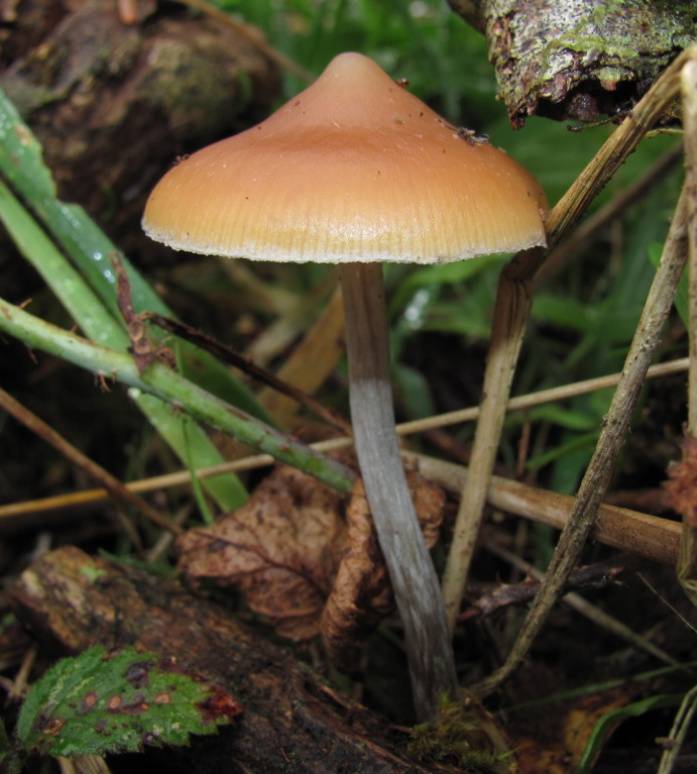
Psilocybe cubensis — Alex Abair · Photograph source · CC BY 4.0. Display crop only; source photo unchanged.

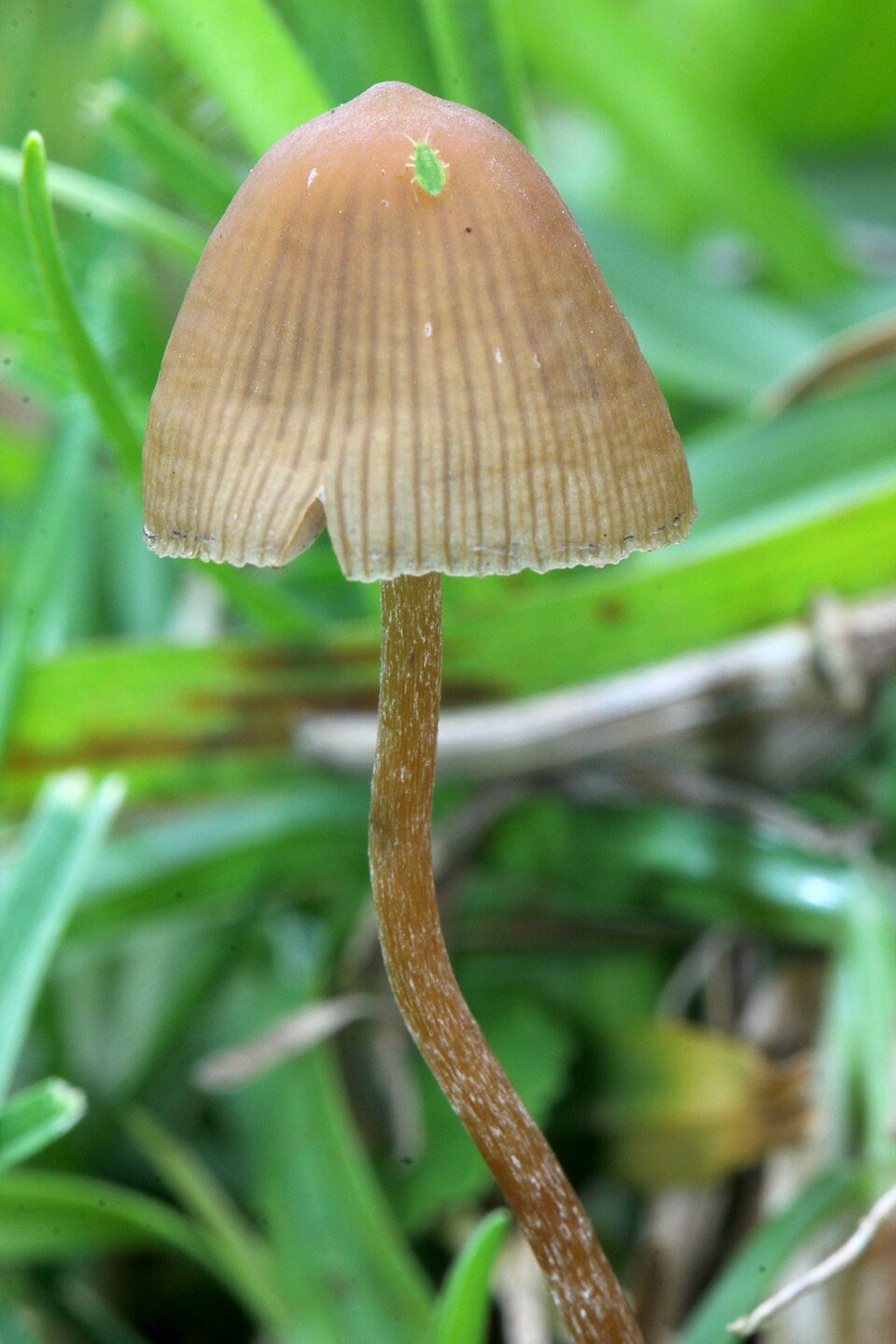
Psilocybe semilanceata — Alan Rockefeller · Photograph source · CC BY-SA 3.0. Display crop only; source photo unchanged.

Psilocybe cyanescens — This image was created by user Alan Rockefeller (Alan Rockefeller) at Mushroom Observer, a source for mycological images.You can contact this user here. · Photograph source · CC BY-SA 3.0. Display crop only; source photo unchanged.

Psilocybe azurescens — This image was created by user shroom360 at Mushroom Observer, a source for mycological images.You can contact this user here. · Photograph source · CC BY-SA 3.0. Display crop only; source photo unchanged.

Psilocybe mexicana — Alan Rockefeller · Photograph source · CC BY-SA 3.0. Display crop only; source photo unchanged.

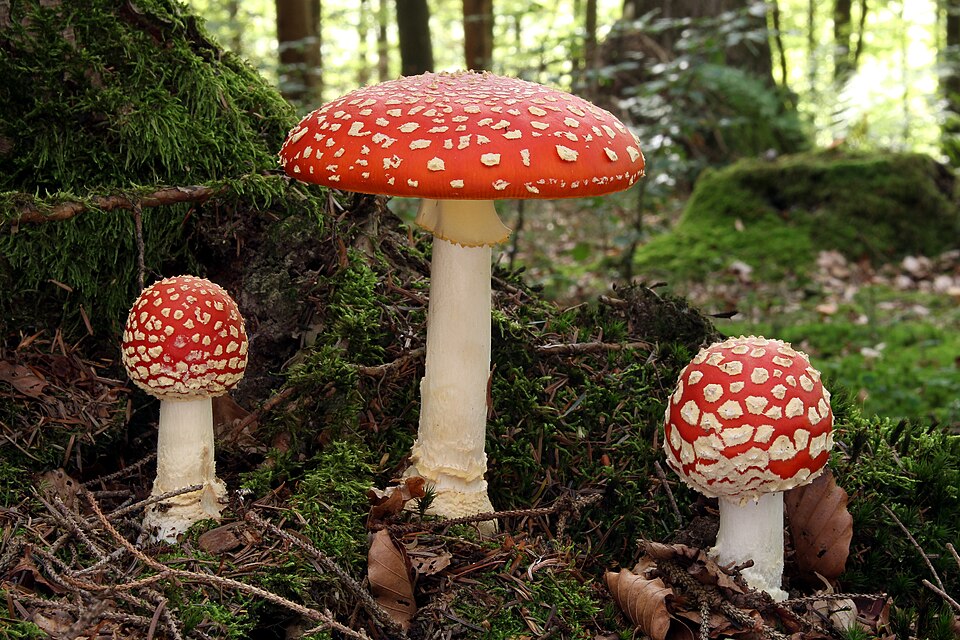
Amanita muscaria — Holger Krisp · Photograph source · CC BY 3.0. Display crop only; source photo unchanged.

Knowledge / Several ways to read

A deeper field guide.

Move between natural history, cultural knowledge, personal accounts and research. Each answers a different question.

Updated 2026-10-18 · 16 profiles · 15 reading-room articles · study-specific evidence

Tradition & alternative knowledge

Knowledge has
many histories.

Keep the place, period and source in view. Historical practice, personal experience and symbolic meaning each deserve a clear voice.

02 / Cultural and clinical history

Japan: from food culture to named preparations

Culinary mushrooms and the history of standardized preparations are related subjects with different evidence. PSK provides a specific example in the NCI account of Japanese adjunctive oncology. Its manufacturing identity matters; its history is not a clinical endorsement of every turkey-tail product.

03 / Field ethnomycology

Poland: local names and living knowledge

The Mazovian study records detailed regional knowledge, including uses beyond cooking. Household memory can describe how knowledge is transmitted and how practices change. Keep the region and the speaker visible instead of turning a local account into a statement about all Slavic traditions.

05 / Documented accounts and open research

Amanita and the northern tradition question

The supplied book connects contemporary experience with a broader cultural interest in Amanita. Direct regional historical sources are still needed before assigning a specific ritual to a Siberian community. This collection distinguishes the book’s accounts from historical claims that have not yet been independently traced.

06 / Avonoria interpretation

A symbolic reading of the fungal world

The fruiting body can invite reflection on appearance and hidden life, while decomposition can suggest return, transformation and renewal. These are interpretive themes for Avonoria, not claims of an ancient universal doctrine or a measured therapeutic mechanism. Readers can explore symbolic meaning alongside natural history.

Reading an account of experience

Ask what was reported, by whom, with which material and over what period. Include benefits, no effect and unwanted experiences. An observation can suggest an important question without establishing its cause. A historical record can document a practice without functioning as a clinical trial.

Read the Amanita experience article ↗

Practice / Know the form

From food
to formulation.

A culinary portion, a powder and a measured extract are different materials. Start with the purpose and the preparation.

Cooked foodShiitake, lion’s mane, maitake, tremella

Food-grade edible material prepared as a meal. Describe taste, texture and cooking separately from a medical claim.

What to check: Correct identification, full cooking and ordinary food handling.

Dried materialCulinary mushrooms sold for cooking

Drying changes water content; it does not by itself create an extract or a standardized active ingredient.

What to check: Dry, brittle material; protection from moisture; discard spoiled food.

PowderMilled food or a labelled extract powder

Check whether the powder is whole material, mycelium, substrate-containing biomass or a dried extract with carriers.

What to check: Full ingredient identity, fungal part and intended use.

Infusion or decoctionTraditional hot-water forms

An infusion steeps material; a decoction involves simmering or boiling. Process names do not establish concentration or clinical equivalence.

What to check: Source and identity of material; do not equate a drink with PSK or another defined preparation.

Water extractCharacterized soluble fractions

A solvent-based process selected for particular compounds. Recovery depends on material and process conditions.

What to check: Specification, method and actual composition of the finished product.

Alcohol extractManufactured extracts or documented traditional tincture forms

A different solvent can select a different profile. This is a description of a form, not a home recipe or a guarantee of greater activity.

What to check: Composition, carrier and residual solvent; product-specific evidence.

Combined extractWater/alcohol fraction combinations

The phrase dual extract describes a process choice. It does not prove synergy, complete recovery or superior clinical benefit.

What to check: What fractions were combined and what was actually measured.

CapsulePowder, extract or mixed formula

A capsule is a delivery form. The contents and their evidence remain the important questions.

What to check: Amount per capsule and daily portion; carriers and every ingredient.

Fermented materialCultured mycelial preparations

Food fermentation and industrial fungal culture are different processes. Fermentation is not automatically a safety or efficacy improvement.

What to check: Organism, culture material, process and tested product.

Topical formulationFinished cosmetics; balms described in personal accounts

A topical preparation has a different exposure route from an oral product. Documented use does not establish efficacy or shelf stability.

What to check: Skin tolerability, formulation stability and microbial preservation; no invented home shelf life.

Open the culinary and preservation guide ↗
Amounts used in selected functional-mushroom studies

These are study descriptions, not recommended treatment schedules. An amount cannot be transferred between unidentified products or converted using an extract ratio alone.

Preparation-specific research amounts
StudyAmount and durationContext
Lion’s mane · Mori 2009About 3 g/day in tablets, 16 weeks30 participants with mild cognitive impairment; not a universal extract dose.
Lion’s mane · Docherty 20231.8 g/day of the tested preparation, 28 daysSmall pilot in younger adults.
Reishi · Klupp 20163 g/day of the tested material, 16 weeksThe main metabolic outcomes did not improve versus placebo.
Tremella · Ban 2018600 or 1,200 mg/day, eight weeksA specific formulation in people with subjective cognitive impairment.

Product literacy

Seven questions for a label.

  1. Full Latin name, identification method and fungal material: fruiting body, mycelium, spores or a mixture.
  2. Growth substrate and whether it remains in the final material; distinguish substrate-containing biomass from separated liquid-culture mycelium.
  3. Complete ingredients, carriers, amount per serving and extraction details. A large extraction ratio alone is not a quality score.
  4. A certificate tied to the actual batch, with sampling date, laboratory, method, units and the material tested.
  5. Glucan measurements that identify total, alpha and beta fractions and the analytical method; do not substitute generic polysaccharides.
  6. Appropriate checks for identity, microbes, metals and other material-specific contaminants. A single marker does not cover every quality question.
  7. A link between the health claim and the preparation used in the cited study, including population, duration and measured outcome.

Fruiting body is not automatically better than mycelium. A chemical marker is not a clinical outcome. A certificate belongs to its tested batch.

Open the glucan calculator ↗

Reading room / 15 articles

Take the longer path.

Short essays for the curious reader, with related profiles and original sources. Open any article to read it here.

15 ARTICLES

01 / PreparationsMushroom, powder or extract?The same species can become several very different ingredients.

A whole food carries a matrix of water, fibre and many constituents. Drying removes much of the water; grinding changes particle size. Extraction selects material through a solvent and a process. None of these words, on its own, says that the finished product is clinically effective.

A powder may be milled fruiting body, mycelium, a substrate-containing material or a dried extract with a carrier. The ingredient list should settle that question. An extraction ratio describes a relationship used in production; it is not a validated conversion between an extract and a therapeutic amount of whole mushroom.

To compare a product with a paper, write down the species, fungal part, full formula, amount, duration and route of administration. Then name the outcome the study measured. If one of these details is missing, the comparison remains incomplete. This is a reading method, not a ranking in which every extract beats every food.

Back to the reading room ↑
02 / ResearchLion’s mane and memory: read the whole questionAge, duration and the cognitive task all change the meaning of a result.

The reviewed studies did not ask one identical question. One enrolled people with mild cognitive impairment over weeks; others examined younger adults, different durations or an acute exposure. These differences can help explain why a headline about memory does not apply to everyone.

A result in one task is not the same as an improvement in overall cognition. Repeated testing, multiple outcomes, small samples and expectations also need attention. Positive findings are useful signals, while negative findings help define the limits of the hypothesis.

For a personal reading notebook, record the exact outcome and whether it was the primary one. Then ask whether the finding was replicated. Avoid replacing this process with a promise about nerve regeneration: that is a different outcome and would require different evidence.

Back to the reading room ↑
03 / TraditionsReishi between tradition and analysisA cultural symbol and a laboratory ingredient have different kinds of identity.

Historical mushroom knowledge includes recipes, remedies, classification and ritual. The relationship between these subjects is part of the story. A modern reader should not assume that an old category maps neatly to one current species or one contemporary diagnosis.

In an analytical setting, the questions become narrower: which organism, which material, which constituents and which test? The reishi authentication study shows why even a familiar label deserves scrutiny. It does not invalidate a cultural history; it clarifies which material a modern claim concerns.

Read traditional ideas of vitality and longevity with attribution to their source. Read a clinical paper by its intervention and outcome. The two can sit alongside each other without asking either to prove something it was not designed to establish.

Back to the reading room ↑
04 / ResearchShiitake, lentinan and AHCCThree terms that should never disappear into a single benefit claim.

A meal made with shiitake, a named purified fraction and a proprietary culture-derived preparation are different interventions. Their common fungal context does not make their clinical evidence interchangeable. Route of administration can be another major difference.

The AHCC HPV study offers a preparation-specific signal in a selected population. Its participant numbers and sustained-response denominator matter. Calling the result a guaranteed viral cure, or assigning it to a soup, would go beyond what was tested.

Keep nutritional interest in whole mushrooms visible too. A food study can measure immune markers without demonstrating prevention of infections. The profile brings these strands together while retaining a separate identity for each.

Back to the reading room ↑
05 / QualityHow to read beta-glucans and a laboratory reportA useful number needs a method, a material and a batch.

The term polysaccharides is broader than beta-glucans. A label that gives only total polysaccharides has not necessarily quantified the fraction a reader thinks it has. The analytical method determines what was measured and how interfering substances were handled.

The reviewed enzymatic method calculates a beta-glucan result from appropriately measured total and alpha fractions. The page’s calculator performs subtraction; it cannot perform the laboratory measurement. Inputs must share a basis and units, and should come from a compatible method applied to the relevant material.

A 2026 method paper discusses matrix effects, including interference in products containing maltitol. This is why a certificate should identify the sample, method and batch. A high value alone is not a certificate of clinical benefit, and a high alpha-glucan value alone is not proof of fraud.

Back to the reading room ↑
06 / KitchenThe mushroom kitchen: broth, drying and freezingPractical food knowledge can be useful without a medical promise.

Begin with a correctly identified, food-grade edible mushroom. For shiitake broth, prepare the mushrooms according to the supplier’s directions and cook them thoroughly with the other ingredients. The cooked pieces can be used in the soup or another dish. Raw or insufficiently cooked shiitake deserves a specific caution because skin reactions are documented.

For dried culinary mushrooms, dryness and protection from moisture matter. OSU describes drying to a brittle condition and provides tested guidance on freezing and other preservation methods. Grind small amounts of suitable dried edible material when needed for cooking, rather than treating an uncharacterized powder as a standardized supplement.

Preservation recipes are not freely interchangeable between species and methods. In particular, tested canning instructions for button mushrooms should not be generalized to every mushroom. This collection supplies no invented shelf life for homemade oils, syrups or water-rich gels.

Back to the reading room ↑
07 / TraditionsPolish mushroom memoryNames, household practices and local knowledge are a serious research subject.

A Mazovian field study collected 695 interviews across 38 places, recording 92 taxa and 11 with non-culinary uses. It documents a rich relationship with fungi rather than a list of clinically validated treatments. Regional detail is part of its value.

A family name for a mushroom can preserve a useful distinction, a practical association or a local history. Changes in gathering, preparation and transmission of knowledge are also worth recording. The question is not only what was used, but who knew it, where and how that knowledge was shared.

For Avonoria, this suggests a grounded way to describe tradition: name the region, retain the local vocabulary and attribute the observation. Avoid turning one regional practice into a universal claim about all Slavic peoples. Personal memories can enrich a cultural record when presented as memories.

Back to the reading room ↑
08 / TraditionsAmanita: tradition, experience and open questionsAn account can be taken seriously without making it answer every clinical question.

Baba Masha’s supplied book provides a substantial collection of reported experience. Sleep, mood, pain and changes in substance use are among its themes. These are useful starting points for understanding why people are interested in Amanita, alongside accounts of no benefit and unwanted effects.

The author’s methodological discussion describes variable material, an evolving questionnaire and unequal response counts. A careful summary keeps these features visible. Percentages attached to different questions should not be combined into one success rate, and a personal explanation should remain distinct from the experience being described.

The expanded profile includes biology, cultural context, forms mentioned in contemporary accounts and the state of research. It also distinguishes poisoning evidence from evidence about mixed commercial products. Legal status is not used as a shortcut for judging a substance’s pharmacology. No preparation or dosing instructions are supplied.

Back to the reading room ↑
09 / ResearchChaga: a traditional drink and an analytical questionNeither a single percentage nor a single case describes every product.

Oxalate content is a question about a specific material and measurement. The reviewed case literature includes variable product measurements. Reporting only the highest concentration as the composition of all chaga would lose that information.

Case reports are useful because they can connect a detailed exposure history with clinical findings. They do not provide a denominator for all users, so they cannot establish a universal probability of injury. Conversely, an unknown population rate does not make a documented case irrelevant.

A useful product discussion identifies the collected or cultivated material, its processing and the analysis of the finished preparation. The names tea, powder and extract do not themselves determine oxalate content. The profile preserves the traditional beverage context without inventing a safe-dose or home-processing rule.

Back to the reading room ↑
10 / TraditionsMazatec knowledge and ethnomycologyCultural specificity is more informative than a generic story of shamanism.

Ethnomycology studies relationships between people and fungi: names, classifications, food practices, ceremonies, healing and the transmission of knowledge. It asks questions that are different from measuring one isolated compound in a laboratory.

The identified Oaxaca study documents knowledge in Mazatec culture. The review accessed its abstract and metadata, so detailed ceremonial descriptions are not reconstructed here. A community’s practices should not be filled in from popular imagery or descriptions belonging to another community.

When reading a historical or ethnographic account, ask who recorded it, whose voice is present, which period it concerns and how translation shaped the description. These questions make room for knowledge on its own terms while avoiding invented certainty about an ancient universal practice.

Back to the reading room ↑
11 / ResearchWhat does immunomodulation mean?The immune system does not have one dial marked stronger.

A study can measure cell numbers, cell activity or signalling molecules. Different measurements may change in different directions. The maitake exploratory study is a useful example of why a larger amount cannot simply be assumed to produce a larger beneficial response.

Clinical outcomes require their own measurements. An increase in NK-cell activity is not automatically fewer infections; a change in an inflammatory assay is not automatically a cancer-treatment benefit. Both mechanism and outcome matter, but one does not stand in for the other.

When comparing studies, write the measured endpoint beside the preparation. In specialist treatment, ask about compatibility with the actual medicine and product. A blanket label of immune boosting is too vague to settle either efficacy or an interaction.

Back to the reading room ↑
12 / ResearchMicrodosing: experience, expectation and experimentA reported change and a controlled comparison answer different questions.

Personal reports can describe changes that matter deeply to the person reporting them. Controlled studies attempt to distinguish an intervention’s contribution from expectations, ordinary fluctuation and other changes occurring at the same time. A respectful reading does not erase either perspective.

The reviewed double-blind psilocybin-mushroom study enrolled 34 participants and did not confirm the anticipated improvements in wellbeing, creativity and cognition. This result concerns that protocol and sample; it does not evaluate every possible schedule, substance or personal account.

Amanita and psilocybin fungi also have different chemistry. Their user reports should not be pooled as if microdosing named one standardized intervention. This article discusses research design and reported experience without providing quantities, schedules or preparation methods.

Back to the reading room ↑
13 / ResearchTremella: food, skincare and human studiesThe route and formulation are part of the claim.

A cooked food, an oral extract, a beverage and a topical formula are different preparations. A hydration measurement in a cosmetic does not establish an effect after swallowing the ingredient. A cognitive test does not establish anti-ageing in a wider sense.

The reviewed cognitive and prediabetes studies were small and asked different questions. Exploratory imaging needs confirmation. For metabolic data, a change within one group needs to be distinguished from a treatment-versus-placebo difference. The profile explains these distinctions beside the results.

Traditional culinary interest remains valuable in its own right. A good food article can explain texture and preparation without adding an unsupported medical promise. A cosmetic article needs its own formulation, stability and skin-outcome evidence.

Back to the reading room ↑
14 / ResearchCordyceps and performanceA reaction-time task is not a season of athletic performance.

Performance claims often combine different species, strains and mixtures. The reviewed exercise pilot used a blend, so its results cannot be assigned entirely to C. militaris. The newer acute experiment was very small and measured a different set of outcomes.

Read the duration before drawing a conclusion. An immediate laboratory effect does not establish a sustained training benefit. Read the statistical comparison too: a time effect, a condition effect and a condition-by-time interaction answer different questions.

The traditional theme of vitality can be explored alongside these studies, with its source and cultural context. It should not be silently translated into a proven rise in testosterone, endurance or recovery. A careful description names what was measured and what remains open.

Back to the reading room ↑
15 / NutritionBeyond extracts: oyster mushrooms, ergothioneine and vitamin DWhole-food research adds another route through the fungal world.

Ergothioneine research includes a small human feeding experiment showing uptake after a mushroom meal. Bioavailability is an important question, but it does not itself establish longevity or disease prevention. Those outcomes require their own studies.

A vitamin-D2 mushroom trial illustrates another distinction: a change in one vitamin-D fraction is not necessarily a meaningful change in total vitamin-D status. Read the measured marker and comparison rather than assuming that a fortified food performs like every supplement.

The 2026 OYSCOG study of oyster mushrooms involved 80 older adults over 12 weeks and reported selected memory and mood benefits. It is a promising reason to follow whole-food research, with replication still needed. Its cell experiments should not be described as direct measurement of inflammation in the participants’ brains.

Back to the reading room ↑

Sources / Reviewed 2026-10-18

Keep the source
within reach.

38 research and institutional records, plus the supplied book. Sources are linked for reading, not as product endorsements.

This is a narrative editorial review, not a complete systematic review. Some papers were assessed through abstracts or selected sections. Original source material remains archived separately. No link here is a referral to a supplement shop.

Browse all 39 source records

1 / Human trial / 2016

A double-blind, randomised, placebo-controlled trial of Ganoderma lucidum for the treatment of cardiovascular risk factors of metabolic syndrome

Reviewed through the abstract, author record or selected published sections; not an exhaustive full-text assessment.

Open publication or institutional source ↗

4 / Human trial / 2009

Improving effects of the mushroom Yamabushitake (Hericium erinaceus) on mild cognitive impairment

Reviewed through the abstract, author record or selected published sections; not an exhaustive full-text assessment.

Open publication or institutional source ↗

5 / Human pilot / 2023

The Acute and Chronic Effects of Lion's Mane Mushroom Supplementation on Cognitive Function, Stress and Mood in Young Adults

Reviewed through the abstract, author record or selected published sections; not an exhaustive full-text assessment.

Open publication or institutional source ↗

8 / Open clinical study / 2010

Maitake Mushroom Extract Induces Ovulation in Patients with Polycystic Ovary Syndrome

Reviewed through the abstract, author record or selected published sections; not an exhaustive full-text assessment.

Open publication or institutional source ↗

9 / Phase I/II study / 2009

A phase I/II trial of a polysaccharide extract from Grifola frondosa in breast cancer patients: immunological effects

Reviewed through the abstract, author record or selected published sections; not an exhaustive full-text assessment.

Open publication or institutional source ↗

11 / Human trial / 2018

Efficacy and Safety of Tremella fuciformis in Individuals with Subjective Cognitive Impairment

Reviewed through the abstract, author record or selected published sections; not an exhaustive full-text assessment.

Open publication or institutional source ↗

13 / Nutrition study / 2015

Consuming Lentinula edodes Mushrooms Daily Improves Human Immunity

Reviewed through the abstract, author record or selected published sections; not an exhaustive full-text assessment.

Open publication or institutional source ↗

14 / Case report / 2020

Development of End Stage Renal Disease after Long-Term Ingestion of Chaga Mushroom

Reviewed through the abstract, author record or selected published sections; not an exhaustive full-text assessment.

Open publication or institutional source ↗

15 / Case report / 2022

Chaga mushroom-induced oxalate nephropathy that clinically manifested as nephrotic syndrome

Reviewed through the abstract, author record or selected published sections; not an exhaustive full-text assessment.

Open publication or institutional source ↗

16 / Species authentication / 2020

The ITS region provides a reliable DNA barcode for identifying reishi/lingzhi from herbal supplements

Reviewed through the abstract, author record or selected published sections; not an exhaustive full-text assessment.

Open publication or institutional source ↗

17 / Human pilot / 2017

Cordyceps militaris improves tolerance to high intensity exercise after acute and chronic supplementation

Reviewed through the abstract, author record or selected published sections; not an exhaustive full-text assessment.

Open publication or institutional source ↗

19 / Extraction experiment / 2020

Optimization of ultrasonic-assisted extraction of polysaccharides and triterpenoids from Ganoderma

Reviewed through the abstract, author record or selected published sections; not an exhaustive full-text assessment.

Open publication or institutional source ↗

20 / Taxonomy / 2016

Species identity of Phellinus linteus (sanghuang) extensively used as a medicinal mushroom in Korea

Reviewed through the abstract, author record or selected published sections; not an exhaustive full-text assessment.

Open publication or institutional source ↗

22 / Laboratory study / 2015

Effects of heat on the biological activity of wild Cordyceps sinensis

Reviewed through the abstract, author record or selected published sections; not an exhaustive full-text assessment.

Open publication or institutional source ↗

23 / Case report / 2010

INR elevation with maitake extract in combination with warfarin

Reviewed through the abstract, author record or selected published sections; not an exhaustive full-text assessment.

Open publication or institutional source ↗

26 / Ethnomycology / 2023

Traditional knowledge and use of wild mushrooms with biocultural importance in the Mazatec culture in Oaxaca, Mexico

Abstract and metadata identified; full text was not accessible in this review.

Open publication or institutional source ↗

27 / History / 2026

Mycological Mania: Foraging the Mushroom Catalogues of Imperial China for Recipes, Remedies, and Rituals

Selected historical analysis and references reviewed; not a reading of every underlying historical text.

Open publication or institutional source ↗

28 / Chemical analysis / 2022

Extensive Collection of Psychotropic Mushrooms with Determination of Their Tryptamine Alkaloids

Reviewed through the abstract, author record or selected published sections; not an exhaustive full-text assessment.

Open publication or institutional source ↗

30 / Human trial / 2026

Efficacy and Safety of Psilocybin in Treatment-Resistant Major Depression: The EPISODE Randomized Clinical Trial

Reviewed through the abstract, author record or selected published sections; not an exhaustive full-text assessment.

Open publication or institutional source ↗

34 / Analytical method / 2016

Measurement of beta-Glucan in Mushrooms and Mycelial Products

Reviewed through the abstract, author record or selected published sections; not an exhaustive full-text assessment.

Open publication or institutional source ↗

36 / Nutrition pilot / 2012

The bioavailability of ergothioneine from mushrooms and acute effects on antioxidant capacity and biomarkers of inflammation

Reviewed through the abstract, author record or selected published sections; not an exhaustive full-text assessment.

Open publication or institutional source ↗

38 / Nutrition trial / 2026

A randomised controlled study to investigate the cognitive, mood, metabolic and anti-inflammatory effects of chronic oyster mushroom intervention in healthy older adults

Reviewed through the abstract, author record or selected published sections; not an exhaustive full-text assessment.

Open publication or institutional source ↗

Book / User reports / book

Baba Masha - Microdosing with Amanita Muscaria, supplied Polish edition

Selected pages reviewed: PDF 28-34, 75, 83 and 379-380. Personal reports and the author’s methodology; not a randomized trial. The privately supplied PDF is not redistributed here.

Scope and access notes

The linked evidence includes primary studies, a systematic review, institutional resources, history and field ethnomycology. An abstract can identify a study and its reported results, but cannot support an exhaustive assessment of its methods.

Full-text access was limited for several records, including the maitake PCOS and tremella cognition studies. The Mazatec record was identified through its abstract and metadata. The supplied Amanita book was read selectively, including its methodological discussion; it is not redistributed.

Historical details of particular northern European and Siberian practices remain an open research area in this collection. A symbolic reading is labelled as interpretation. The page does not provide a complete legal review or establish a universal self-treatment protocol.

03 / Side by side

Read the differences.

Compare the current editorial summaries, including the actual preparation, limitations and safety context.

A narrative editorial collection. Study results, traditional knowledge and reported experiences are identified separately. Read the preparation, population and outcome together; this is not a complete clinical review.

Comparison of two current editorial profiles
Profile topicTurkey tailLion’s mane
CompoundsPolysaccharide-rich and protein-associated fractions, including the specific preparations PSK and PSP.Hericenones and erinacines are discussed in relation to different fungal materials, alongside polysaccharides. A species name does not establish their amount in a preparation.
Topics & current interpretationAdjunctive oncology research in defined treatment settings. The evidence is not a recommendation to replace cancer care with a mushroom product.Cognition, mood and stress are research topics. Small trials do not establish treatment of dementia or regeneration of damaged nerves.
Molecular pathwaysImmune signalling is a mechanistic research topic. A biomarker change does not by itself establish improved survival or fewer infections.Neurotrophic signalling is a preclinical research context. NGF-related laboratory activity cannot be read directly as a clinical memory benefit.
Extraction & preparationsTraditional hot-water preparations and manufactured PSK differ in identity and composition; an ordinary decoction does not reproduce PSK.Culinary fruiting bodies, dried powders and standardized extracts are not interchangeable. Match a preparation to the study before comparing amounts.
Safety & limitationsTreatment context matters, particularly during oncology or immunosuppressive care. Suitability cannot be decided from a general immune-support label.Food and concentrated products need separate assessment. Individual tolerability and allergies matter; available small trials cannot settle long-term safety in every population.
Research summaryNCI describes specific preparations and settings. Cochrane 2022 found low or very-low certainty for parts of the colorectal-cancer evidence and limited relevance of older regimens.Mori 2009, Docherty 2023 and Surendran 2025 studied different populations, durations and preparations. Their results should be read together rather than reduced to a single efficacy score.
Archived ratings from the earlier attachment · not current efficacy scores

The original source defines ‘very high’ as meta-analyses of RCTs (>650–8000+ patients) and medicine registration in Asia; ‘high / medium’ as numerous human RCTs; and ‘medium / low’ as small pilot trials and preclinical studies. This is the attachment’s own scale, not a validated cross-species comparison.

Reishi4/5
Lion’s mane4/5
Cordyceps3/5
Turkey tail5/5
Chaga1/5
Maitake3/5
Shiitake5/5
Himematsutake4/5
Snow fungus2/5
Meshimakobu2/5

These scores do not measure efficacy, safety or a product’s quality.

04 / The source notebook

Follow a pathway.

Follow the research question from material to mechanism and human evidence. Molecular activity alone is not a clinical benefit.

A narrative editorial collection. Study results, traditional knowledge and reported experiences are identified separately. Read the preparation, population and outcome together; this is not a complete clinical review.

Immune signalling: from assay to outcome

Glucan and immune-response research asks several different questions. Follow the levels of evidence instead of treating them as one proven causal chain.

Define the preparation

Identify the organism, fungal part, fraction and composition. PSK, a maitake extract and an ordinary mushroom powder are different interventions.

Neurotrophic hypotheses & cognition

Laboratory interest in neurotrophic signalling motivates human studies, but does not establish nerve regeneration from a consumer preparation.

Characterize the material

Fruiting-body and mycelial preparations can differ. Identify the tested constituents rather than relying on the species name alone.

Chemistry & performance research

Nucleoside chemistry, laboratory metabolism and performance in people are related questions, not interchangeable answers.

Identify species & mixture

C. militaris, O. sinensis and a multi-mushroom blend must remain distinct in the description of a study.

05 / From material to extract

Look beyond the label.

Read the extraction notes and calculate the difference between two laboratory measurements.

Glucan calculation

Total glucans − α-glucans = calculated β-glucans. Values must use the same basis and units.

Calculated difference

30.0%

85.7% of total glucans

An arithmetic aid, not a purity certificate or a test of clinical effectiveness. No quality or adulteration verdict is assigned.

Original calculator rules & method claims
The attachment automatically called α-glucans above 10% an adulteration risk, β-glucans below 15% a low concentration, and other values “high quality”. Those rules are preserved here as source claims, not applied as validated verdicts. The attachment cites McCleary, Megazyme and AOAC 995.16 / 2020.07 without providing method documents. Its original “officially validated” assertion has not been independently confirmed.

Process descriptions are linked to the preparation guide. A method name alone does not establish composition or effectiveness.

01 / Preparation notes

Water extraction

A process for recovering particular water-soluble fractions. Species, time, temperature and downstream processing affect the result. A traditional decoction is not automatically the same as a standardized clinical preparation.

02 / Preparation notes

Alcohol extraction

A different solvent can recover a different chemical profile. The relevant questions are the target constituents, finished composition and residual solvent, not a universal claim that alcohol makes a product stronger.

03 / Preparation notes

Combined extraction

Combining fractions can broaden a chemical profile, but “dual extract” does not prove complete recovery, synergy, better absorption or greater clinical effectiveness. Compare measured composition and preparation-specific evidence.

06 / Read with care

Read the context
of a safety claim.

Case reports, measured outcomes and mechanism-based concerns are different kinds of evidence. This is not a personalized interaction checker.

Chaga · the oxalate warning

Kidney injury has been reported after prolonged or high intake. Oxalate measurements vary between products; case reports do not estimate the frequency of harm or a safe dose.

The evidence level is stated for each group. Do not change prescribed medication based on this page; discuss the exact product and treatment with a qualified clinician.

Anticoagulants & antiplatelets

Medicines named: Warfarin; other anticoagulants and antiplatelets require separate assessment

Fungi named: Maitake: published warfarin case; Reishi, Cordyceps and chaga: concerns in the earlier source

Evidence: Evidence level: case report for maitake with warfarin; broader mechanism-based concerns are not quantified clinical interactions for every species and medicine.

Practical context: Tell the prescribing or surgical team about the exact product. Do not change medication or apply a universal 14-day stopping rule without individualized advice.

Glucose-lowering medicines & insulin

Medicines named: Insulin and glucose-lowering medicines

Fungi named: Reishi; Maitake; Cordyceps

Evidence: Evidence level: product-dependent hypotheses and limited human results. The reviewed reishi trial did not improve the main glucose outcomes; a blanket additive effect is not established.

Practical context: Discuss supplement changes with the clinician managing diabetes. Do not reduce prescribed treatment because of a mushroom label.

Immunosuppressive treatment

Medicines named: Transplant and other immunosuppressive medicines

Fungi named: Turkey tail; Agaricus mixtures; Sanghuang preparations

Evidence: Evidence level: immune-marker studies and mechanistic concerns. A marker change does not establish the same interaction or an absolute contraindication for every product.

Practical context: Seek specialist assessment before adding an immune-active supplement during transplant or immunosuppressive care; do not interrupt prescribed treatment.

3 evidence groups. Absence from this list does not establish safety.

07 / Provenance & further reading

Know where it comes from.

Reading source

The supplied Polish file analiza_10_grzyb_w_funkcjonalnych.html contains ten monographs, three pathways and three medication warning groups. The current English profiles incorporate the owner-approved research expansion. Original Polish records remain in each monograph as an archive.

The current bibliography links studies and institutional resources. The earlier attachment is preserved for provenance; its species-wide ratings and unsupported generalizations are not the current editorial assessment.

Download the original supplied HTML ↓

Avonoria & imagery

The entrance uses the existing Avonoria composition and pillar navigation. Species photographs are credited below and in each monograph. The interactive sculpture is an original artistic study, not a scientific identification aid.

Existing Mushrooms pillar ↗
Photograph credits & licences · original 10 species

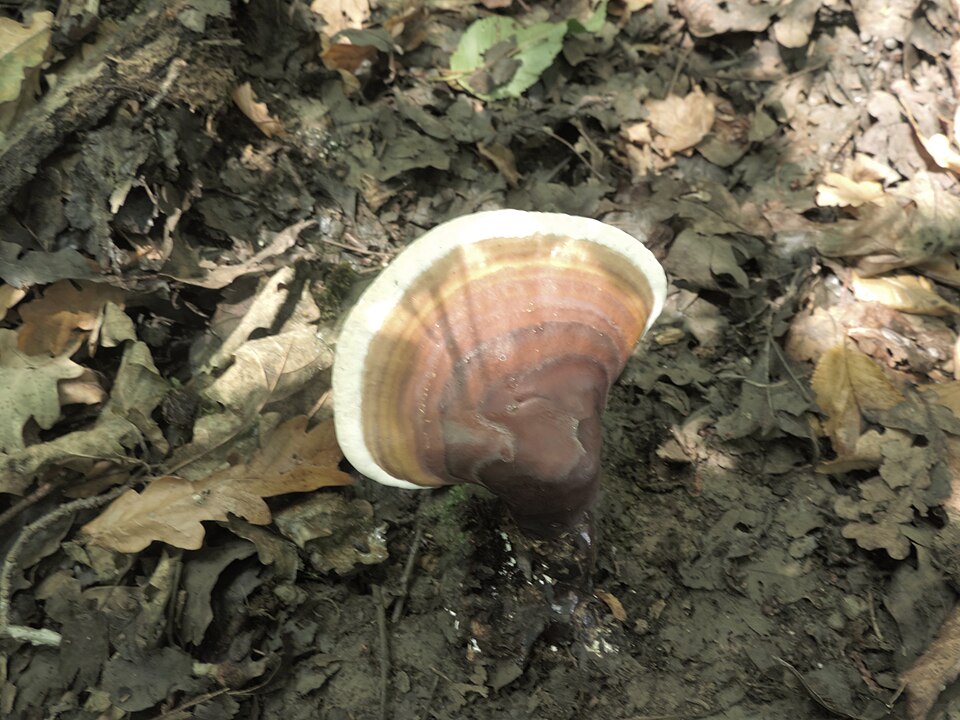
Reishi — JovanaKoturov · Photograph source · CC BY-SA 4.0. Display crop only; source photo unchanged.

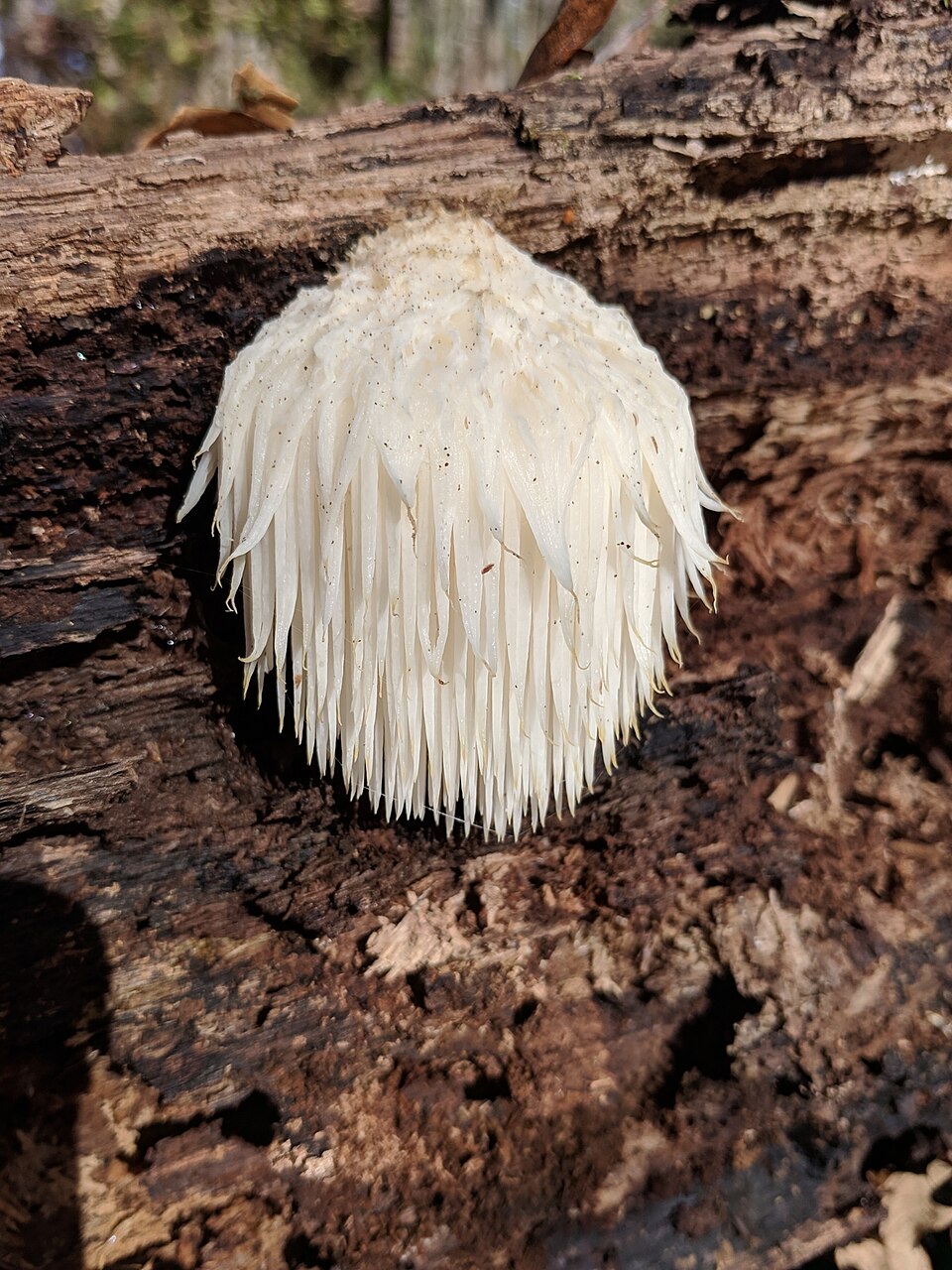
Lion’s mane — (c) Alison Northup, some rights reserved (CC BY) · Photograph source · CC BY 4.0. Display crop only; source photo unchanged.

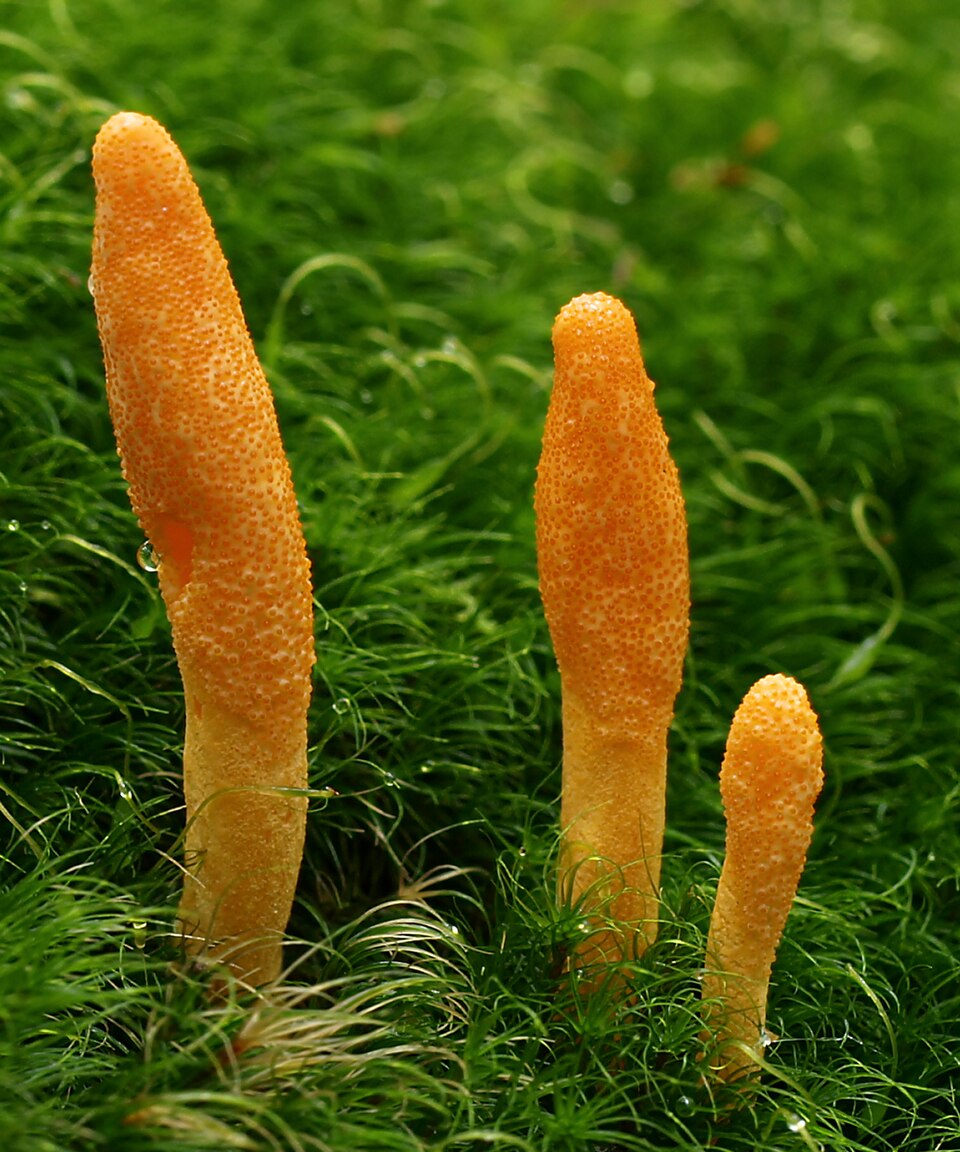
Cordyceps — Andreas Kunze · Photograph source · CC BY-SA 3.0. Display crop only; source photo unchanged. Photograph: C. militaris. The source profile also discusses C. sinensis.

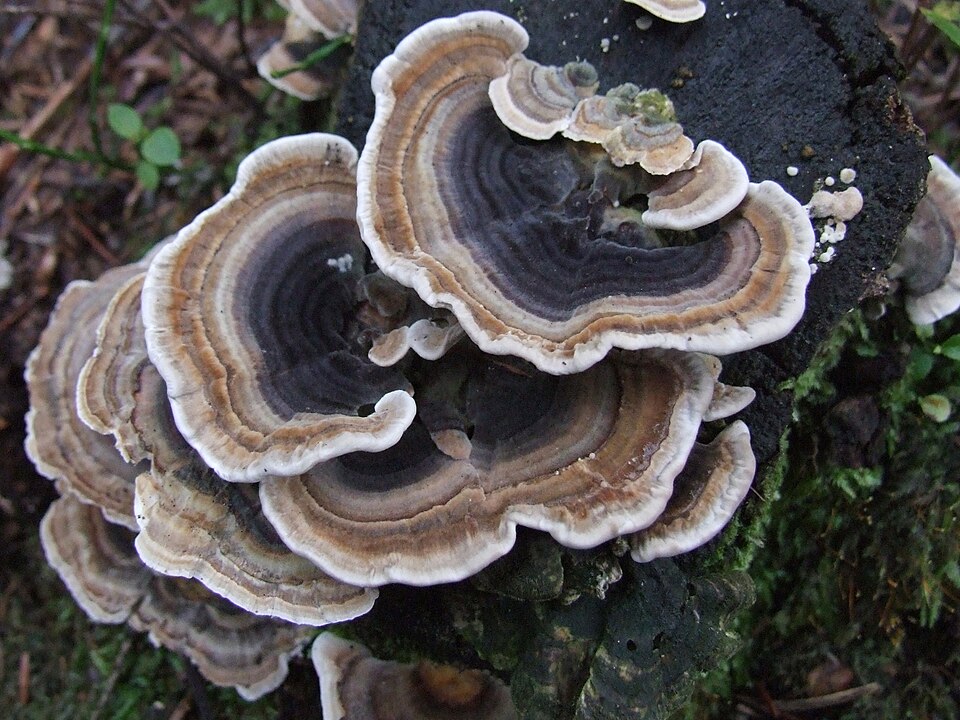
Turkey tail — Jerzy Opioła · Photograph source · CC BY-SA 3.0. Display crop only; source photo unchanged.

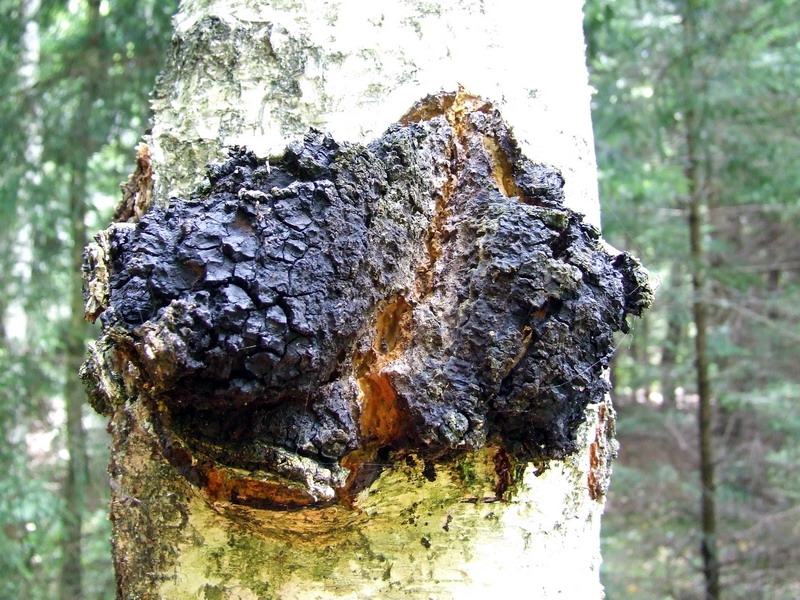
Chaga — Tocekas · Photograph source · CC BY-SA 3.0. Display crop only; source photo unchanged.

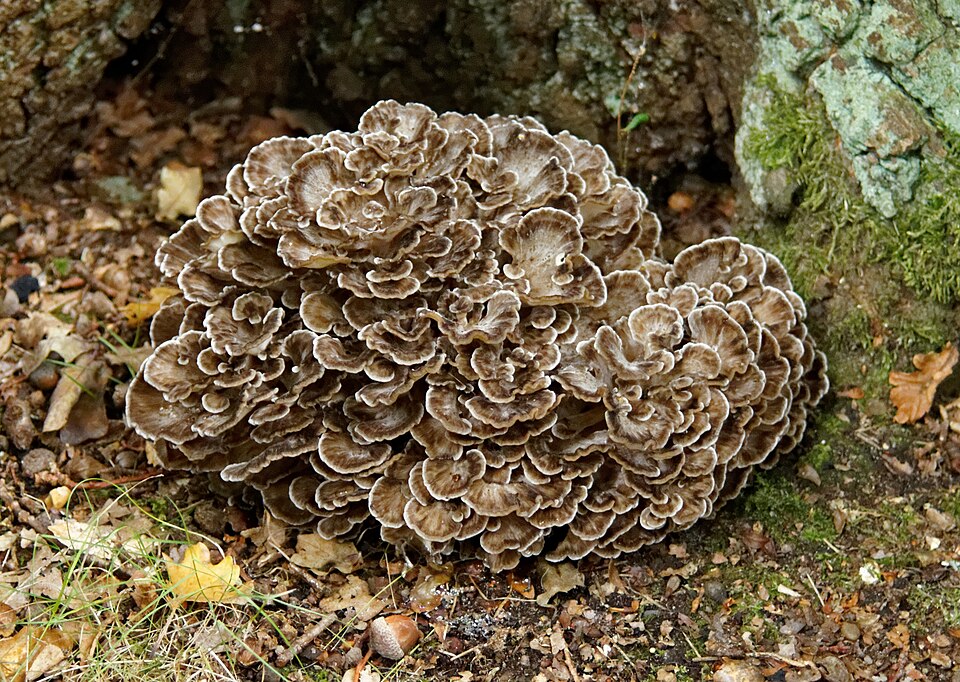
Maitake — Lukas from London, England · Photograph source · CC BY-SA 2.0. Display crop only; source photo unchanged.

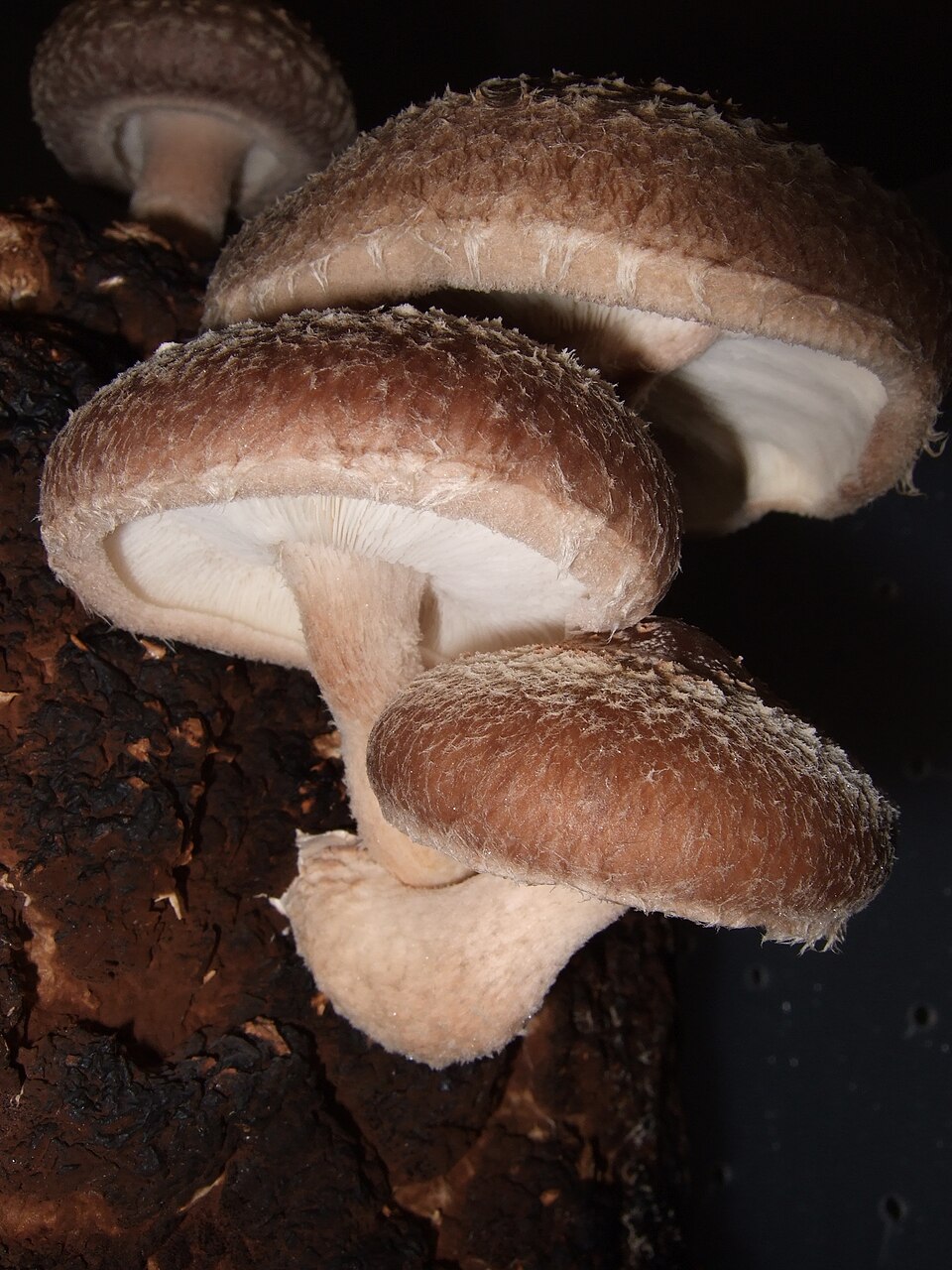
Shiitake — frankenstoen from Portland, Oregon · Photograph source · CC BY 2.0. Display crop only; source photo unchanged.

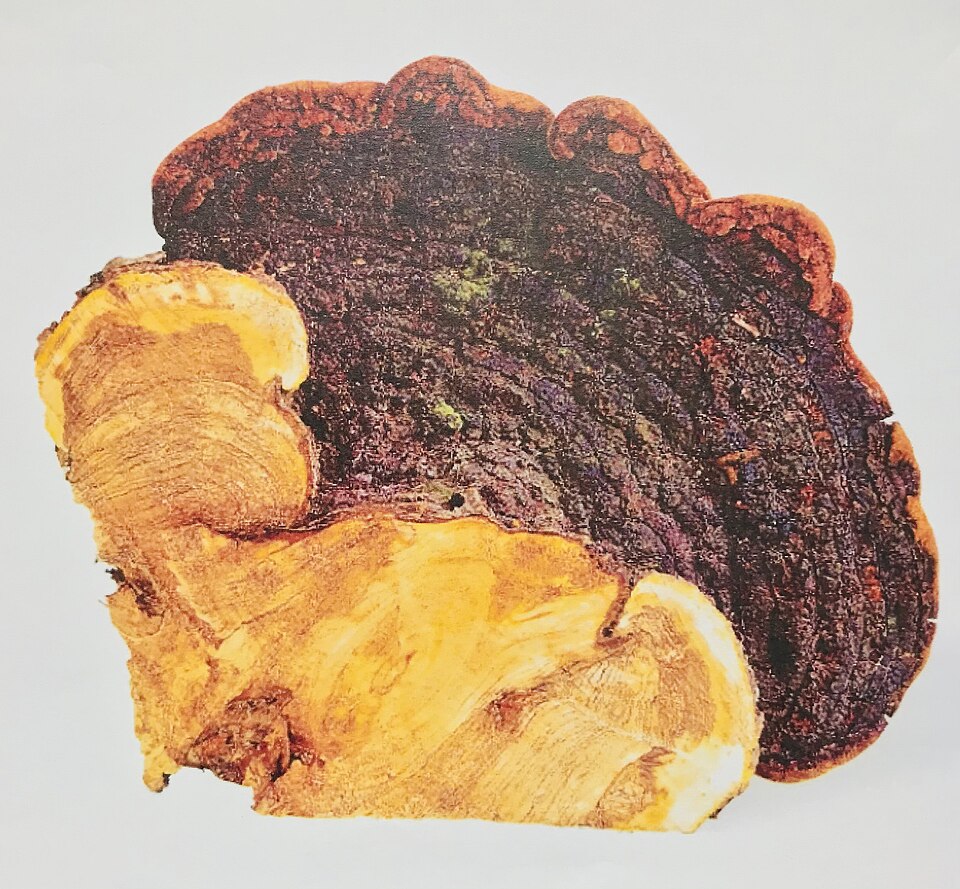
Himematsutake — Unknown · Photograph source · CC BY-SA 3.0. Display crop only; source photo unchanged.

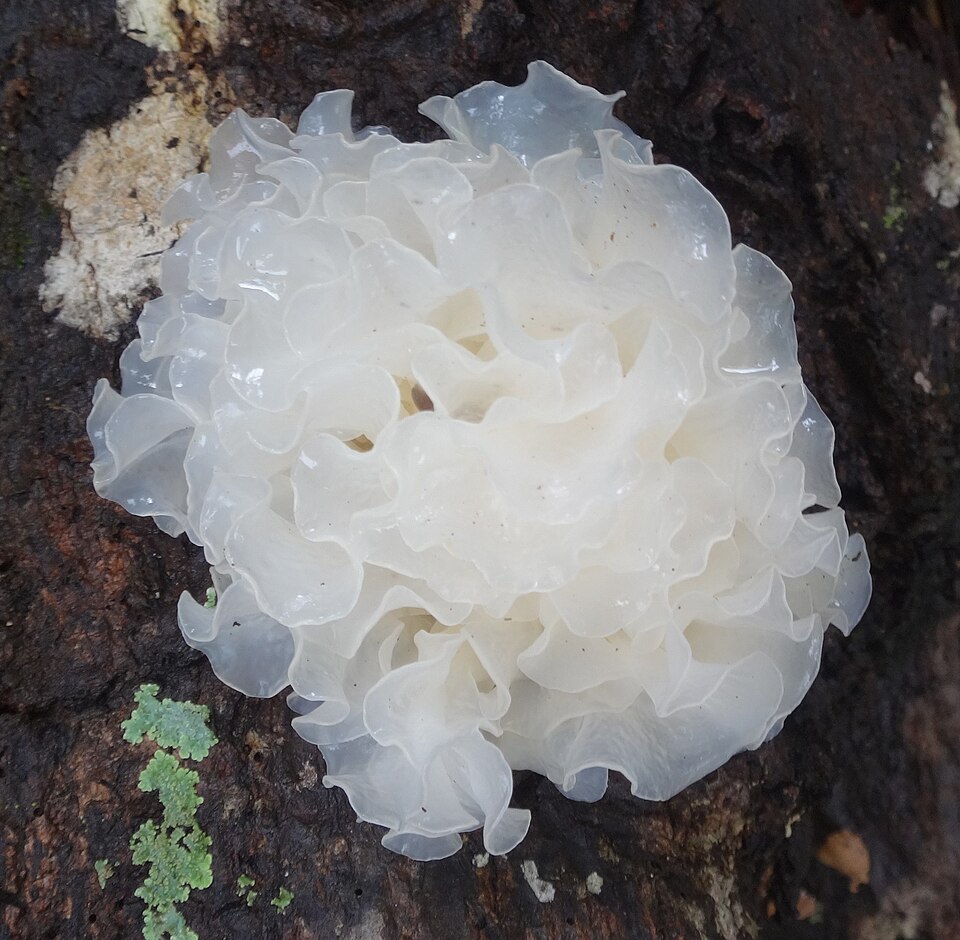
Snow fungus — Mati Aristeguieta P. · Photograph source · CC BY 4.0. Display crop only; source photo unchanged.

Meshimakobu — Maszk · Photograph source · CC BY-SA 4.0. Display crop only; source photo unchanged.

Source introduction & original module records

The supplied monograph examines high-molecular-weight compounds (including β-(1→3)-(1→6)-D-glucans and heteropolysaccharides) and secondary metabolites such as lanostane triterpenoids, cyathane diterpenes, purine nucleosides and polyphenols. It also contrasts raw biomass with standardised dual extracts.

1. Immunomodulacja Receptorowa i GALT

Nierozpuszczalne łańcuchy β-(1→3)-(1→6)-D-glukanu są rozpoznawane przez receptory PRR na powierzchni komórek wrodzonego układu odpornościowego w tkance GALT (kępki Peyera).

Krok 1: Ingestion & M-Cells — Komórki M kępek Peyera w jelicie krętym internalizują cząstki glukanów na drodze pinocytozy i transportują je do makrofagów podnabłonkowych.

Krok 2: Wiązanie Dectin-1 / TLR — Glukany wiążą się z receptorem Dectin-1 oraz TLR-2/4 na komórkach dendrytycznych i makrofagach.

Krok 3: Kaskada Kinaz Syk-CARD9 — Fosforylacja motywu ITAM uruchamia kinazę tyrozynową Syk oraz kompleks CARD9-Bcl10-Malt1.

Krok 4: Efekt Efektorowy — Kontrolowana aktywacja NF-κB, wydzielanie IL-12, IFN-γ, polaryzacja Th1 oraz aktywacja cytotoksyczności komórek NK i neutrofilów (poprzez CR3).

2. Sygnalizacja Neurotroficzna i Neurogeneza

Lipofilne diterpeny (erinacyny z Hericium erinaceus) dyfundują przez barierę krew-mózg, stymulując ekspresję neurotrofin w komórkach astrocytarnych.

Krok 1: Dystrybucja OUN — Erinacyna A pokonuje barierę krew-mózg dzięki małej masie cząsteczkowej i lipofilności.

Krok 2: Indukcja NGF / BDNF — Stymulacja syntezy NGF i BDNF w astrocytach poprzez aktywację kinaz ERK1/2 oraz p38 MAPK.

Krok 3: Aktywacja TrkA / TrkB — Wiązanie neurotrofin z receptorami TrkA/TrkB na neuronach i aktywacja szlaku PI3K/Akt.

Krok 4: Fosforylacja p-CREB — Fosforylacja czynnika CREB na serynie-133 promuje konsolidację pamięci, kiełkowanie aksonów i plastyczność LTP.

3. Bioenergetyka Mitochondrialna & Oś Nrf2/Keap1

Nukleozydy purynowe (kordycepina) i triterpeny stymulują resyntezę ATP oraz indukcję wewnątrzkomórkowych enzymów antyoksydacyjnych fazy II.

Krok 1: Receptor Adenozynowy — Kordycepina i adenozyna wiążą się z receptorami A1/A2A, aktywując kinazę AMPK w warunkach stresu.

Krok 2: Optymalizacja ATP — AMPK wygasza procesy anaboliczne, nasilając β-oksydację kwasów tłuszczowych i produkcję ATP w mitochondriach.

Krok 3: Modyfikacja Keap1 — Elektrofilowe triterpeny modyfikują reszty cysteinowe białka Keap1, uwalniając czynnik transkrypcyjny Nrf2.

Krok 4: Transkrypcja ARE — Nrf2 po translokacji jądrowej aktywuje geny SOD-1, SOD-2, GPx i HO-1, redukując peroksydację lipidów.

Leki Przeciwzakrzepowe & Przeciwpłytkowe

Warfaryna, Klopidogrel, ASA (Aspiryna), NOAC (Rywaroksaban, Apiksaban) · Ganoderma lucidum (Reishi), Cordyceps militaris / sinensis, Inonotus obliquus (Chaga)

Wysoka zawartość wolnej adenozyny oraz metabolitów hamujących COX-1 i syntezę tromboksanu A2. Wydłużenie czasu krwawienia i PT/INR.

Odstawić preparaty na co najmniej 14 dni przed planowanymi zabiegami chirurgicznymi.

Leki Przeciwcukrzycowe & Insulina

Metformina, Pochodne sulfonylomocznika, Insulina · Grifola frondosa (Maitake), Ganoderma lucidum (Reishi), Cordyceps spp.

Sensytyzacja receptora insulinowego, zwiększenie translokacji GLUT4 w mięśniach i obniżenie glukoneogenezy wątrobowej.

Addytywny efekt hipoglikemizujący. Wymagane częste monitorowanie profilu glikemicznego, aby zapobiec gwałtownej hipoglikemii.

Leki Immunosupresyjne

Cyklosporyna, Takrolimus, Glikokortykosteroidy · Trametes versicolor (Turkey Tail), Agaricus subrufescens, Phellinus linteus

Silna stymulacja receptorów Dectin-1/TLR-2 i wydzielanie IL-2, IFN-γ oraz aktywacja limfocytów T cytotoksycznych.

Bezwzględne przeciwwskazanie u pacjentów po przeszczepieniach narządów oraz w ostrych fazach chorób z autoagresji.

← Back to the collection
Ganoderma lucidum — photograph
JovanaKoturov · Photograph source · CC BY-SA 4.0. Display crop only; source photo unchanged.

Monograph 01 / 10 · Updated 2026-10-18

Reishi

Ganoderma lucidum

Lingzhi in cultural history, Ganoderma on a label, and the very different questions asked of its extracts.

  • Human trials
  • Traditional use
  • Laboratory research

Overview

Reishi is a useful meeting point between traditional mushroom knowledge and modern analytical science. Its familiar name can refer to different Ganoderma materials. A meaningful description therefore starts with species identity, the part used and the preparation, before discussing an effect.

Field notebook

A name with more than one identity

Reishi is a common name; Ganoderma is a genus; lingzhi has a cultural history that is not confined to a modern laboratory label. Reading these terms as interchangeable can make a study appear more relevant to a product than it actually is. Keep the Latin name supplied by the authors visible, even when later taxonomy changes its interpretation.

A DNA study identified seven supplements labelled G. lucidum as G. lingzhi. That small sample does not describe the entire market. It demonstrates why authentication is a useful question: what organism was tested, and does it match the material now being discussed?

Tradition & cultural context

Lingzhi: medicine, food culture and symbolism

Chinese mushroom traditions connect practical knowledge with medicine, religious life and ideas of longevity. Historical catalogues can reveal how people valued fungal forms, tastes, habitats and perceived qualities. Those categories deserve explanation in their own terms rather than being translated automatically into modern disease claims.

For Avonoria, the cultural story includes the relationship between a distinctive fungal form and human aspirations for vitality and long life. A traditional name or symbolic association is evidence of meaning and use; it is not a measured promise of increased lifespan. Specific historical recipes should retain their author, period and context.

Field notebook

Fruiting body, mycelium and spores

The fruiting body, cultivated mycelium and spores are separate raw materials. Their labels should describe what is present, whether a growth substrate remains, and how the material was processed. A fruiting-body photograph on a packet does not settle any of those questions.

Glucans and triterpenoids are different chemical families. An analytical marker can help characterize an extract without becoming proof that the extract improves sleep, glucose control or immunity. Water-soluble material, alcohol-soluble material and a combined product should be compared by actual composition and the preparation used in a study.

Compounds & material

Triterpenoids, including ganoderic acids, and beta-glucan-rich fractions. Fruiting body, mycelium and spores are different materials; broken spores are a preparation, not a compound.

Mechanisms in context

Laboratory hypotheses involving inflammatory signalling, apoptosis and antioxidant responses. These are not demonstrated treatment outcomes for a consumer product.

Research notebook

Read the preparation, population and outcome together. These labels describe the kind of evidence, not a species-wide efficacy score.

Metabolic syndrome: an important negative result

84 participants with type 2 diabetes and metabolic syndrome; randomized placebo-controlled trial; 16 weeks.

Finding: The studied Ganoderma preparations did not improve the main glucose outcomes compared with placebo.

Interpretation: A result about these preparations and outcomes, not a verdict on every possible use of the genus.

Applications: what is being discussed?

Research topics include metabolic markers and adjunctive oncology. The reviewed metabolic trial was negative; traditional discussions of sleep and vitality are not established clinical indications.

Field notebook

Forms and questions to bring to a label

Reishi is commonly discussed as a dried material or extract rather than as a tender mushroom dish. The collection explains powders, traditional hot-water preparations and manufactured extracts as different forms. A home-prepared drink has no known equivalence to a clinical product merely because both originate from Ganoderma.

Ask for the species, material, extraction method, amount per portion and batch-specific analytical report. If a claim cites a trial, check whether its participants, formulation and outcome match the claim. The same questions apply to a premium-priced preparation and to an inexpensive one.

Preparation notes

Water and alcohol recover different fractions. A dual extract needs composition data; the phrase does not establish clinical superiority.

Explore forms and product quality ↗

Safety & limitations

Product identity and formulation matter. Discuss concentrated products alongside current medicines; proposed interactions should not be presented as proven for every preparation.

Questions worth asking

Does “reishi” guarantee G. lucidum?

No. Common names, historical names and species identifications need to be checked separately.

Is a dual extract automatically better?

No. Composition and evidence for the actual product matter more than the extraction slogan.

Further reading

Editorial review: 2026-10-18. Linked records identify the evidence and its type. Access limits are described in the bibliography.

Original Polish source text · archive

Archiwalny materiał wejściowy. Część twierdzeń została doprecyzowana w aktualnym opisie powyżej; oryginał zachowano dla przejrzystości.

Opis

Ganoderma lucidum stanowi jeden z najlepiej scharakteryzowanych fitochemicznie gatunków poliporoidalnych. Profil farmakologiczny opiera się na utlenionych triterpenoidach lanostanowych oraz wielkocząsteczkowych β-glukanach. Działanie przeciwnowotworowe zachodzi poprzez indukcję apoptozy (kaspaza 3/9), supresję NF-κB oraz obniżenie VEGF. W badaniach klinicznych adiuwantowe podawanie wyciągów stymulowało cytotoksyczność komórek NK oraz odsetek limfocytów CD4+.

Związki

Kwasy ganoderowe (A–Z), ganoderiole, rozgałęzione β-(1→3)(1→6)-D-glukany, sporoderm-broken spores.

Wskazania według źródła

Adiuwantowa immunoonkologia, bezsenność, adaptacja do stresu, hemostaza kardiometaboliczna.

Szlaki

Supresja NF-κB, indukcja kaspaz 3/9, stymulacja cytotoksyczności komórek NK, aktywacja Nrf2.

Ekstrakcja

Podwójna ekstrakcja (wodna dla glukanów, alkoholowa dla kwasów ganoderowych). Oczyszczone zarodniki.

Bezpieczeństwo

Ostrożnie z lekami przeciwzakrzepowymi (adenozyna, COX-1) oraz hipoglikemizującymi. Ryzyko dyspepsji.

Badania według źródła

Liczne badania z randomizacją (RCT), metaanalizy onkologiczne u pacjentek z zaawansowanym rakiem piersi. Umiarkowany i heterogenny wpływ na HbA1c w badaniach u ludzi.

← Return to your collection results
← Back to the collection
Hericium erinaceus — photograph
(c) Alison Northup, some rights reserved (CC BY) · Photograph source · CC BY 4.0. Display crop only; source photo unchanged.

Monograph 02 / 10 · Updated 2026-10-18

Lion’s mane

Hericium erinaceus

A culinary mushroom with a growing research literature on cognition: fruiting bodies, mycelium and trial results deserve separate attention.

  • Human pilot studies
  • Culinary use
  • Preclinical hypotheses

Overview

Lion’s mane, Hericium erinaceus, belongs in the kitchen as well as in a research notebook. Interest in nerve-growth pathways has encouraged clinical studies, but a laboratory mechanism and a person’s memory score are different kinds of evidence. The human findings are promising in some small studies and inconsistent across tasks and populations.

Field notebook

From a distinctive fruiting body to a defined ingredient

The pale, cascading spines make cultivated lion’s mane visually memorable, but a photograph is not an identification procedure for a wild specimen. For cooking, use food-grade material supplied as an edible mushroom. For research, retain the species name, fungal part, preparation and batch information.

The word mushroom may refer to a fruiting body, a powder, mycelium or a manufactured extract. Those materials can have different composition and different evidence. A label that omits the fungal part leaves a basic question unanswered before any discussion of cognitive effects begins.

Tradition & cultural context

Food knowledge and contemporary mycotherapy

A rich profile can describe taste, texture, preparation and the experience of cooking with lion’s mane alongside modern interest in mental performance. That makes room for everyday food knowledge without requiring every use to be a medical intervention.

Contemporary reports often describe concentration, clarity or calm. Such descriptions help identify questions that matter to users, but they should say whether the observation came from a personal account, a structured questionnaire or a blinded experiment. Similar words can refer to very different outcomes.

Field notebook

What “nerve growth” means in a paper

A laboratory study can measure a molecule, a receptor response or a change in a cell culture. A clinical study can measure task performance or symptoms. Evidence at the first level is useful for building a hypothesis; it does not by itself show that a person’s nerves have been repaired.

The distinction between hericenones, erinacines and whole preparations is therefore essential. Avoid assigning a property of one isolated constituent to every fruiting-body powder. Likewise, a mycelial product should not be dismissed solely because it is not a fruiting body: its identity and its own evidence need examination.

Compounds & material

Hericenones and erinacines are discussed in relation to different fungal materials, alongside polysaccharides. A species name does not establish their amount in a preparation.

Mechanisms in context

Neurotrophic signalling is a preclinical research context. NGF-related laboratory activity cannot be read directly as a clinical memory benefit.

Research notebook

Read the preparation, population and outcome together. These labels describe the kind of evidence, not a species-wide efficacy score.

Applications: what is being discussed?

Cognition, mood and stress are research topics. Small trials do not establish treatment of dementia or regeneration of damaged nerves.

Field notebook

On the plate and in a research protocol

Food-grade cultivated lion’s mane can be prepared as a cooked mushroom dish. Divide it into even pieces and cook it through; texture depends on size, moisture and the cooking method. A culinary portion is chosen for a meal, not calculated as a substitute for a trial extract.

For a manufactured preparation, check the actual daily amount used in the cited paper and the length of the study. An extract ratio such as 10:1 does not establish equivalence to ten times that mass of ordinary mushroom. The preparation guide explains why recovery, composition and carriers matter.

Preparation notes

Culinary fruiting bodies, dried powders and standardized extracts are not interchangeable. Match a preparation to the study before comparing amounts.

Explore forms and product quality ↗

Safety & limitations

Food and concentrated products need separate assessment. Individual tolerability and allergies matter; available small trials cannot settle long-term safety in every population.

Questions worth asking

Does the research prove nerve regeneration?

No. The human trials discussed here measured cognitive or mood outcomes, not regeneration of damaged human nerves.

Can I compare powder and extract gram for gram?

Only when their composition and preparation are sufficiently characterized; mass alone is not equivalence.

Further reading

Editorial review: 2026-10-18. Linked records identify the evidence and its type. Access limits are described in the bibliography.

Original Polish source text · archive

Archiwalny materiał wejściowy. Część twierdzeń została doprecyzowana w aktualnym opisie powyżej; oryginał zachowano dla przejrzystości.

Opis

Hericium erinaceus wyróżnia się specyficznym tropizmem tkankowym ukierunkowanym na układ nerwowy. Grzybnia wytwarza diterpenoidy cyjatanowe (erinacyny), z których erinacyna A pokonuje barierę krew-mózg. Pobudza syntezę endogennego NGF i BDNF w astrocytach. W modelach neurodegeneracji ogranicza hiperfosforylację białka tau i znoszenie blaszek β-amyloidu. Działa również gastroprotekcyjnie uszczelniając białka połączeń ścisłych (ZO-1, okludyna).

Związki

Erinacyny (A–K, grzybnia), Hericenony (C–H, owocnik), polisacharydy HEP.

Wskazania według źródła

Neuroprotekcja, łagodne zaburzenia poznawcze (MCI), pamięć robocza, stany lękowo-depresyjne, wsparcie bariery jelitowej.

Szlaki

Indukcja syntezy NGF i BDNF przez szlak TrkA/TrkB-MAPK/ERK1/2; wygaszanie inflamasomu NLRP3 w mikrogleju.

Ekstrakcja

Ekstrakcja alkoholowa (erinacyna A w grzybni) + hydrotermiczna (polisacharydy z owocnika).

Bezpieczeństwo

Bardzo wysoki profil tolerancji. Rzadkie reakcje nadwrażliwości; potencjalna addycja hipoglikemizująca.

Badania według źródła

Klasyczne badanie Mori i wsp. (MCI, 3 g/dobę przez 16 tyg.), próby Docherty i wsp. (2023–2026) u młodych zdrowych dorosłych wykazujące poprawę szybkości przetwarzania informacji.

← Return to your collection results
← Back to the collection
Cordyceps militaris / C. sinensis — photograph
Andreas Kunze · Photograph source · CC BY-SA 3.0. Display crop only; source photo unchanged. Photograph: C. militaris. The source profile also discusses C. sinensis.

Monograph 03 / 10 · Updated 2026-10-18

Cordyceps

Cordyceps militaris / C. sinensis

Two different fungal materials, a long-standing tradition of use and small modern studies of exercise and reaction time.

  • Small human studies
  • Traditional use
  • Material identity

Overview

Cordyceps is often used as if it named a single ingredient. This profile distinguishes Cordyceps militaris from Ophiocordyceps sinensis, called Cordyceps sinensis in many older sources. Species, cultivation material and mixtures should remain visible when discussing performance research.

Field notebook

C. militaris is not O. sinensis

The two names belong to different species and different material histories. The image in this collection shows C. militaris. It must not serve as proof of the identity of a product labelled O. sinensis, nor of a fermentation strain used in an older publication.

A useful ingredient description states the organism, whether the material is a fruiting body or cultured mycelium, and whether other fungi are included. “Cordyceps blend” is a starting point for reading a composition list, not a complete description of an intervention.

Tradition & cultural context

Vitality as a traditional theme

Traditional and contemporary accounts discuss vitality, endurance and recovery. These are meaningful themes for a cultural history, but they should retain the vocabulary and setting of the source. A traditional idea of vitality does not automatically become a measured increase in aerobic capacity.

The full story also includes cultivated alternatives and the relationship between a valued natural material and modern production. Avonoria separates that material history from the narrower question a controlled experiment asks: did this preparation change this outcome in these participants?

Field notebook

Reading nucleosides without a performance promise

Cordycepin and adenosine are useful terms for discussing chemistry. A measured concentration is not a direct measure of how much energy a person will feel or how fast they will recover. Absorption, metabolism, preparation and the outcome being tested all matter.

A heat-processing experiment did not support the blanket claim that heating necessarily destroys the relevant activity. That does not establish one ideal temperature for every product. Processing claims should identify the tested material and what was actually measured.

Compounds & material

Cordycepin, adenosine and polysaccharide fractions. Their presence and amount depend on the species and preparation.

Mechanisms in context

Purine metabolism and energy-related signalling are hypotheses explored in laboratory research, not guarantees of enhanced human performance.

Research notebook

Read the preparation, population and outcome together. These labels describe the kind of evidence, not a species-wide efficacy score.

Applications: what is being discussed?

Exercise tolerance, reaction time and oxygen uptake are research topics; the reviewed small studies do not establish a lasting athletic benefit or a testosterone effect.

Field notebook

Compare a preparation with its own study

Before using an exercise study to evaluate a product, check whether the study involved only C. militaris or a mixture. Then distinguish an acute test from weeks of use, and a laboratory reaction-time task from performance in sport.

For an edible product, follow its food preparation instructions. For an extract, inspect its specification and intended use. Neither a photograph of orange fruiting bodies nor a large extraction ratio establishes that the product matches a clinical experiment.

Preparation notes

Identify species and extract composition. A universal claim that cordycepin requires cold alcohol processing is not supported by the reviewed heat study.

Explore forms and product quality ↗

Safety & limitations

A cultivated product, a wild-collected material and a mixture cannot share an assumed safety profile. Discuss supplements with a clinician when taking regular medication.

Questions worth asking

Can the two species be treated as one ingredient?

No. Preserve species, strain and preparation in the description.

Does more cordycepin mean better performance?

A chemical marker alone does not establish an effective human intervention.

Further reading

Editorial review: 2026-10-18. Linked records identify the evidence and its type. Access limits are described in the bibliography.

Original Polish source text · archive

Archiwalny materiał wejściowy. Część twierdzeń została doprecyzowana w aktualnym opisie powyżej; oryginał zachowano dla przejrzystości.

Opis

Cordyceps reprezentuje grzyby entomopatogenne o unikalnym metabolizmie puryn. Kordycepina (3'-deoksyadenozyna) wciela się w RNA wywołując przedwczesne przerwanie transkrypcji w komórkach neoplastycznych. Pobudza szlak AMPK w mięśniach szkieletowych, przyspieszając resyntezę ATP i usprawniając dyfuzję tlenu w mitochondriach. Moduluje ponadto sterydogenezę w komórkach Leydiga.

Związki

Kordycepina (3'-deoksyadenozyna), wolna adenozyna, polisacharydy, sterole (ergosterol).

Wskazania według źródła

Wydolność tlenowa (VO2max), witalność wysiłkowa, protekcja nerek, stymulacja steroidogenezy (testosteron).

Szlaki

Aktywacja szlaku AMPK, resynteza ATP, inhibicja poliadenylacji mRNA, stymulacja IL-10, aktywacja PKA w komórkach Leydiga.

Ekstrakcja

Maceracja wodno-alkoholowa w celu zachowania termolabilnej kordycepiny.

Bezpieczeństwo

Wpływ przeciwpłytkowy (hamowanie agregacji adenozynowej); interakcje z immunosupresją.

Badania według źródła

Próby ergospirometryczne wykazujące wzrost VO2max i opóźnienie progu beztlenowego; serie obserwacji onkologicznych i pulmonologicznych.

← Return to your collection results
← Back to the collection
Trametes versicolor — photograph
Jerzy Opioła · Photograph source · CC BY-SA 3.0. Display crop only; source photo unchanged.

Monograph 04 / 10 · Updated 2026-10-18

Turkey tail

Trametes versicolor

A bracket fungus whose clinical story is closely tied to PSK and particular treatment settings, alongside traditional hot-water preparations.

  • Preparation-specific clinical research
  • Traditional use

Overview

Turkey tail, Trametes versicolor, has a substantial history in medicinal-mushroom discussion. The most useful distinction is between the whole fungus and named preparations such as PSK and PSP. These are not interchangeable labels for any capsule, powder or tea.

Field notebook

The whole fungus and its named fractions

The common name evokes the banded appearance of the fruiting body. Its visual identity is a useful introduction, but the identity relevant to a clinical study includes much more: the cultivated organism, manufacturing process, measured composition and route of administration.

Older publications may use Coriolus versicolor. Keep that synonym when tracing a paper, then explain its relationship to Trametes versicolor. A change of scientific name is different from a change of tested preparation.

Tradition & cultural context

From East Asian practice to standardized preparations

Traditional mushroom use and the development of manufactured preparations belong in the same history, but in different chapters. The NCI account describes PSK in Japanese adjunctive oncology. This provides a concrete history of a defined preparation rather than a generic promise attached to the whole species.

A traditional drink can be described as a cultural form of use. Its meaning and preparation history do not require calling it identical to a clinical product. That distinction lets the traditional account remain detailed while making clinical comparisons intelligible.

Field notebook

What an immune outcome can and cannot say

An immune assay may measure cell activity, a cytokine or a change in cell numbers. A person may care about infections, treatment tolerance or survival. A useful monograph states which level a study actually measured and does not substitute one for the other.

The phrase “immune boosting” hides these distinctions. Immunomodulation is more precise when a study shows a change in a particular response, but it still needs the direction, context and clinical relevance of that change.

Compounds & material

Polysaccharide-rich and protein-associated fractions, including the specific preparations PSK and PSP.

Mechanisms in context

Immune signalling is a mechanistic research topic. A biomarker change does not by itself establish improved survival or fewer infections.

Research notebook

Read the preparation, population and outcome together. These labels describe the kind of evidence, not a species-wide efficacy score.

Applications: what is being discussed?

Adjunctive oncology research in defined treatment settings. The evidence is not a recommendation to replace cancer care with a mushroom product.

Field notebook

Reading a supplement alongside oncology research

Start with the name of the intervention, not the front-of-pack mushroom image. Check whether the publication studied PSK, PSP or another material, alongside which treatment, in which cancer and during which period. These details determine whether the comparison is meaningful.

The preparations guide includes traditional hot-water forms as descriptions of use. It does not provide a home equivalent to a regulated or studied oncology preparation. Keep prescribed treatment decisions with the treating team.

Preparation notes

Traditional hot-water preparations and manufactured PSK differ in identity and composition; an ordinary decoction does not reproduce PSK.

Explore forms and product quality ↗

Safety & limitations

Treatment context matters, particularly during oncology or immunosuppressive care. Suitability cannot be decided from a general immune-support label.

Questions worth asking

Is turkey-tail tea the same as PSK?

No. A traditional drink and a characterized manufactured preparation are not equivalent.

Why remove the species-wide 5/5 score?

Certainty belongs to a particular intervention and outcome, not to every use of a species.

Further reading

Editorial review: 2026-10-18. Linked records identify the evidence and its type. Access limits are described in the bibliography.

Original Polish source text · archive

Archiwalny materiał wejściowy. Część twierdzeń została doprecyzowana w aktualnym opisie powyżej; oryginał zachowano dla przejrzystości.

Opis

Trametes versicolor to wzorcowy przykład translacji mykologicznej do farmakopealnej onkologii. PSK (62-70% części cukrowej, 30-38% peptydu) oraz PSP działają jako modyfikatory odpowiedzi biologicznej (BRM). Wiążą się z Dectin-1 i TLR-2 na komórkach dendrytycznych, przełamując immunosupresję guza bez bezpośredniej toksyczności narządowej.

Związki

PSK (Polysaccharide-K / Krestin), PSP (Polysaccharopeptide), proteoglikany.

Wskazania według źródła

Adiuwantowa terapia onkologiczna (rak żołądka, jelita grubego, sutka), odbudowa mikrobioty po antybiotykoterapii.

Szlaki

Ligand receptorów Dectin-1 i TLR-2; polaryzacja Th1; aktywacja CD8+ i komórek NK; sekrecja IL-2 i IFN-γ.

Ekstrakcja

Gorąca woda / frakcjonowanie z biomasy grzybniowej (szczep CM-101 dla PSK, COV-1 dla PSP).

Bezpieczeństwo

Bardzo wysoki profil tolerancji; rzadkie dolegliwości dyspeptyczne i ciemnienie stolca. Przeciwwskazany w ostrej immunosupresji.

Badania według źródła

Metaanalizy survivalowe: Oba i wsp. (2007, n=8009, HR=0.88), Sakamoto (2006, n=1094), Eliza (2012). Zarejestrowany lek onkologiczny w Japonii.

← Return to your collection results
← Back to the collection
Inonotus obliquus — photograph
Tocekas · Photograph source · CC BY-SA 3.0. Display crop only; source photo unchanged.

Monograph 05 / 10 · Updated 2026-10-18

Chaga

Inonotus obliquus

A tree-associated fungal material with a traditional beverage story, major differences between preparations and unresolved clinical questions.

  • Traditional beverage use
  • Laboratory research
  • Clinical case reports

Overview

Chaga is discussed as Inonotus obliquus, but the material used in a drink or powder needs its own description. Collected fungal growth, cultivated mycelium and extracts should not be assumed chemically identical. The traditional beverage story and the modern renal case reports answer different questions.

Field notebook

Describe the material, not just the species

The dark tree-associated growth sold as chaga is a different starting material from an ordinary cultivated fruiting body. A label should explain what was collected or cultivated, its host or production context, and how it was authenticated. Do not infer a product’s identity from a stock photograph.

Cultivated mycelium and collected material may be valuable research subjects in their own right. Equivalence must be demonstrated, not assumed from the shared species name. This is especially important when comparing chemical analyses from different sources.

Tradition & cultural context

A beverage history that deserves precise sources

Northern European and Russian traditions are often invoked in contemporary chaga descriptions. A serious cultural account should identify a region, period and documentary source for each specific practice. This collection does not fill gaps with unsupported claims of thousands of years of unchanged use.

The beverage can still be discussed through material culture: how a collected ingredient becomes a household drink, how knowledge passes between people, and how that practice changes when the same name appears on a modern extract. Historical use is a subject for investigation, not a substitute for it.

Field notebook

Why one oxalate number is not universal

The 2020 case publication reported different oxalate concentrations in different products. Presenting the highest value as the fixed composition of all chaga would overstate the result. Equally, knowing that products vary does not establish that an untested product is low in oxalate.

A case report can document an exposure and an outcome in detail. It cannot tell us how often that outcome occurs among all users. The useful next questions concern the material, amount, duration, co-exposures and analytical method, rather than a universal percentage risk.

Compounds & material

Polysaccharides, pigmented fractions and triterpenoid-related constituents are discussed; oxalate content is also important to characterize.

Mechanisms in context

Antioxidant and inflammatory pathways are research hypotheses. Laboratory activity does not establish clinical efficacy.

Research notebook

Read the preparation, population and outcome together. These labels describe the kind of evidence, not a species-wide efficacy score.

Applications: what is being discussed?

Traditional beverage use and laboratory research are distinct from established clinical treatment. Hypoglycaemia is low blood glucose, not a reason to lower it further.

Field notebook

Forms without an invented safe-dose rule

This reading collection distinguishes dried material, powders, hot-water preparations and manufactured extracts. It does not rank them as safe simply by their names. A processing claim needs measurements of the finished preparation, including relevant constituents and contaminants.

For someone with kidney disease or a history of oxalate stones, the case reports are particularly relevant to a discussion with a clinician. A self-selected smaller amount or a different brewing method is not a clinically validated workaround.

Preparation notes

Powders, hot-water drinks and extracts differ. The name of a process does not quantify the final oxalate content or establish safety.

Explore forms and product quality ↗

Safety & limitations

Kidney injury has been reported after prolonged or high intake. Oxalate measurements vary between products; case reports do not estimate the frequency of harm or a safe dose.

Questions worth asking

Does every chaga product contain 14.2% oxalate?

No. The published measurements vary. A batch-specific result is needed to characterize a particular material.

Does traditional use establish a safe modern extract?

No. The preparation and exposure may differ substantially.

Further reading

Editorial review: 2026-10-18. Linked records identify the evidence and its type. Access limits are described in the bibliography.

Original Polish source text · archive

Archiwalny materiał wejściowy. Część twierdzeń została doprecyzowana w aktualnym opisie powyżej; oryginał zachowano dla przejrzystości.

Opis

Inonotus obliquus jest pasożytniczym sklerocjum rosnącym na brzozach. Ekstrahuje z kory prekursory triterpenowe przekształcając je w inotodiol i kwas betulinowy. Zawiera melaniny o potężnej pojemności antyoksydacyjnej. Jednak skrajnie wysokie stężenie kwasu szczawiowego wywołuje odkładanie dwójłomnych kryształów w kanalikach nerkowych, martwicę i niewydolność nerek.

Związki

Inotodiol, betulina, kwas betulinowy, melaniny grzybowe, polifenole, wysokie stężenie szczawianów (10-14.2%).

Wskazania według źródła

Neutralizacja stresu oksydacyjnego (ORAC), działanie przeciwzapalne, pomocniczo w hipoglikemii.

Szlaki

Inhibicja COX-2 i iNOS, aktywacja obrony enzymatycznej Nrf2-ARE, supresja NF-κB, stymulacja IRS-1/PI3K/Akt.

Ekstrakcja

Dekokcja wodna / ekstrakt alkoholowy ze sterylnego sklerocjum zebranego z pni brzóz.

Bezpieczeństwo

WYSOKIE RYZYKO NEFROTOKSYCZNOŚCI! Ostra i przewlekła nefropatia szczawianowa (AKI/ESRD). Bezpośrednie ryzyko przy chorobach nerek.

Badania według źródła

Brak dużych rygorystycznych RCT u ludzi. Dominacja modeli in vitro i na gryzoniach. Masywna literatura opisująca powikłania nefrologiczne.

← Return to your collection results
← Back to the collection
Grifola frondosa — photograph
Lukas from London, England · Photograph source · CC BY-SA 2.0. Display crop only; source photo unchanged.

Monograph 06 / 10 · Updated 2026-10-18

Maitake

Grifola frondosa

An edible mushroom, a family of researched fractions and a good example of why immune modulation is more complex than “more is better”.

  • Culinary use
  • Exploratory human studies
  • Interaction case report

Overview

Maitake, Grifola frondosa, can be introduced through food before turning to D/MD and SX fractions. Different fractions have been studied for different questions. A cooked meal, an immune-marker experiment and an ovulation study should not be collapsed into one claim.

Field notebook

Begin with an edible mushroom

Maitake is also known as hen of the woods. Its clustered fruiting body has a culinary identity that deserves space of its own. Food-grade cultivated material can be described by texture, handling and cooking, without making every meal a therapeutic protocol.

For research, retain the preparation name. SX and D-fraction are not generic synonyms for Grifola frondosa. Their extraction, composition and study context determine what can reasonably be compared.

Tradition & cultural context

Food, observation and contemporary interest

A useful traditional account describes how people valued and prepared the mushroom and which local names they used. Contemporary mycotherapy adds observations about wellbeing and health goals. These deserve clear attribution rather than being folded into an unnamed body of ancient knowledge.

A personal report can explain why someone became interested in maitake. A clinical trial asks a more specific question about a defined intervention. Keeping those voices distinct makes the profile more informative rather than less welcoming to traditional knowledge.

Field notebook

Modulation is not a one-way switch

In an exploratory study of women after breast-cancer treatment, some immune measures increased and others decreased. The dose-response pattern was not simply “more extract, more stimulation”. This is a useful reason to avoid a single immune-strength score.

Markers are not the same as patient outcomes. A change in an assay does not show that a tumour shrank or that infections became less frequent. It can instead guide the next research question.

Compounds & material

Glucan-rich fractions; D/MD and SX refer to particular preparations rather than the composition of every mushroom meal.

Mechanisms in context

Immune modulation may involve increases and decreases in different measurements, with non-linear dose relationships.

Research notebook

Read the preparation, population and outcome together. These labels describe the kind of evidence, not a species-wide efficacy score.

Applications: what is being discussed?

Immune parameters and ovulation in PCOS have been studied. These findings do not establish cancer treatment or equivalence to clomiphene.

Field notebook

Cooking and reading a fraction label

For a meal, use an identified edible product and cook it through. A mushroom dish can contribute taste and variety without being described as an anticancer dose. Dried material intended for cooking should be rehydrated and prepared according to its food instructions.

For an extract, check the fraction, amount, carrier and study citation. If warfarin is part of current treatment, the published interaction case is relevant to the prescribing clinician. Do not independently adjust warfarin or assume that another anticoagulant has exactly the same interaction.

Preparation notes

Edible fruiting bodies, powders and research fractions are distinct forms. A culinary preparation does not recreate an isolated fraction.

Explore forms and product quality ↗

Safety & limitations

A case report describes INR elevation with maitake extract and warfarin. It does not quantify the risk for every preparation or every anticoagulant.

Questions worth asking

Is maitake equivalent to clomiphene?

The reviewed study did not establish equivalence.

Is immune modulation always stimulation?

No. Direction and clinical significance depend on the measured response and context.

Further reading

Editorial review: 2026-10-18. Linked records identify the evidence and its type. Access limits are described in the bibliography.

Original Polish source text · archive

Archiwalny materiał wejściowy. Część twierdzeń została doprecyzowana w aktualnym opisie powyżej; oryginał zachowano dla przejrzystości.

Opis

Grifola frondosa dostarcza opatentowanych frakcji D/MD (silna stymulacja mielopoezy w szpiku) oraz frakcji SX. Frakcja SX działa jako tkankowy sensytyzator receptora insulinowego, indukując translokację GLUT4 bez nadmiernej stymulacji komórek β trzustki. W badaniach u kobiet z PCOS wywoływała owulację z częstością porównywalną do klomifenu.

Związki

Frakcja D, Frakcja MD (β-1,3/1,6-glukany ~1x10^6 Da), Frakcja SX (glikoproteina 20 kDa), grifolan.

Wskazania według źródła

Wsparcie immunoonkologiczne, Zespół Policystycznych Jajników (PCOS), insulinooporność tkankowa.

Szlaki

Translokacja transportera GLUT4 w mięśniach szkieletowych; stymulacja mielopoezy i aktywacja komórek NK.

Ekstrakcja

Oczyszczanie frakcjonowane polisacharydów z owocników.

Bezpieczeństwo

Silne potęgowanie działania leków przeciwcukrzycowych i insuliny (ryzyko gwałtownej hipoglikemii).

Badania według źródła

Badania fazy I/II u pacjentek z rakiem piersi (dwufazowa odpowiedź immunologiczna); kontrolowane badania kliniczne w indukcji owulacji w PCOS.

← Return to your collection results
← Back to the collection
Lentinula edodes — photograph
frankenstoen from Portland, Oregon · Photograph source · CC BY 2.0. Display crop only; source photo unchanged.

Monograph 07 / 10 · Updated 2026-10-18

Shiitake

Lentinula edodes

A familiar food with several separate research stories: whole mushrooms, lentinan and the proprietary mycelial preparation AHCC.

  • Culinary use
  • Nutrition research
  • Preparation-specific trials

Overview

Shiitake, Lentinula edodes, illustrates why a mushroom name is not a product specification. Whole edible fruiting bodies, lentinan and AHCC belong to different discussions. Their preparation and measured outcomes must remain separate.

Field notebook

Three stories under one common name

The first story is food: fresh or dried shiitake prepared as part of a meal. The second concerns particular fractions such as lentinan. The third concerns AHCC, a proprietary preparation from fungal culture. A webpage that moves between them without naming the change can accidentally promise one product’s result for another.

Use the full intervention name beside a study. If a preparation is injected or otherwise administered differently from food, route of administration is another essential distinction. A capsule cannot inherit evidence solely from the Latin name of its source.

Tradition & cultural context

A place for taste and everyday knowledge

Food traditions preserve practical knowledge about dried ingredients, rehydration, texture and the role of mushrooms in a dish. This is valuable information even when no health claim is attached. The preparation guide includes cooked broths, fillings and other culinary forms.

A broader history should identify the culture and period behind each claimed practice. Modern nutrition experiments can then appear alongside that history without pretending that a household recipe was originally designed around a laboratory immune marker.

Field notebook

Read the HPV study with its denominators

The AHCC phase II study enrolled 50 women with persistent high-risk HPV; 41 completed it. In the active group, 14 of 22 tested negative after six months and nine of those 14 maintained the response after six more months without supplementation. These are different denominators, not one universal cure percentage.

The result is a reason for further study of that preparation. It does not establish that shiitake food clears HPV, and it does not replace recommended screening or clinical follow-up. Prior manufacturer-related preclinical funding was disclosed by an author.

Compounds & material

Glucans and other fungal constituents; lentinan is a defined fraction. AHCC is a named culture-derived preparation, not a single molecule or a synonym for shiitake.

Mechanisms in context

Immune changes are mechanistic or biomarker findings unless a study measures a clinical outcome directly.

Research notebook

Read the preparation, population and outcome together. These labels describe the kind of evidence, not a species-wide efficacy score.

Applications: what is being discussed?

Nutrition and immune markers, preparation-specific oncology research, and a small AHCC trial in persistent high-risk HPV.

Field notebook

Shiitake broth and full cooking

Use food-grade shiitake, clean it and cook it thoroughly. Dried mushrooms should be rehydrated according to the supplier’s instructions, then cooked as part of the dish. The cooked pieces can remain in a soup or be used in a filling; a broth is a food preparation, not a substitute for a studied extract.

ANSES reports skin reactions after raw or insufficiently cooked shiitake. That specific observation is more useful than a vague warning about all mushrooms. Cooking advice belongs next to the recipe rather than hidden in a distant disclaimer.

Preparation notes

Cooked food, dried powder, purified fractions and AHCC are not interchangeable preparations.

Explore forms and product quality ↗

Safety & limitations

Raw or undercooked shiitake can cause a characteristic skin reaction. Use proper cooking; no single home temperature claim is supplied as a guarantee.

Questions worth asking

Are AHCC and lentinan the same?

No. They identify different preparations.

Can shiitake be eaten raw?

This collection recommends thorough cooking because reactions to raw or undercooked shiitake are documented.

Further reading

Editorial review: 2026-10-18. Linked records identify the evidence and its type. Access limits are described in the bibliography.

Original Polish source text · archive

Archiwalny materiał wejściowy. Część twierdzeń została doprecyzowana w aktualnym opisie powyżej; oryginał zachowano dla przejrzystości.

Opis

Lentinula edodes dostarcza dwóch odmiennych cząsteczek: sztywnej potrójnej helisy Lentinanu (wyłącznie dożylnie, lek adiuwantowy w Japonii) oraz niskocząsteczkowego AHCC z hodowli płynnej. AHCC wykazuje wysoką biodostępność doustną i skuteczność w eliminacji przetrwałych zakażeń HPV u kobiet.

Związki

Lentinan (β-1,3/1,6-D-glukan, potrójna helisa 500 kDa), AHCC (acetylowane α-glukany ~5 kDa), erytadenina.

Wskazania według źródła

Onkologia adiuwantowa (Lentinan i.v.), trwała eradykacja onkogennych szczepów wirusa HPV (AHCC).

Szlaki

Aktywacja alternatywnej drogi dopełniacza, polaryzacja Th1, down-regulacja punktu PD-L1, redukcja wskaźnika granulocytowo-limfocytowego.

Ekstrakcja

Podanie dożylne czystego lentinanu; hodowla płynna grzybni dla AHCC.

Bezpieczeństwo

Shiitake dermatitis (biczowaty rumień) po spożyciu surowych owocników. Lentinan wymaga podania i.v. z powodu braku wchłaniania z p. pokarmowego.

Badania według źródła

Metaanalizy IPD (Oba 2009, n=650) w zaawansowanym raku żołądka. Badanie fazy II Smith i wsp. (2022) – 64% eradykacja HPV 16/18 po 6 miesiącach AHCC (3 g/d).

← Return to your collection results
← Back to the collection
Agaricus subrufescens — photograph
Unknown · Photograph source · CC BY-SA 3.0. Display crop only; source photo unchanged.

Monograph 08 / 10 · Updated 2026-10-18

Himematsutake

Agaricus subrufescens

Species names, mixed preparations and a short bowel-disease study: a closer look at what the Agaricus evidence actually describes.

  • Mixed-preparation trial
  • Taxonomic context

Overview

Himematsutake is discussed here as Agaricus subrufescens. Older names appear in the literature and should be traced carefully. The clearest clinical example in this review concerns AndoSan, a mixture rather than a single-species product.

Field notebook

Trace the name back to the material

Agaricus is a genus, not a complete ingredient name. Older clinical and commercial descriptions may use names differently from current taxonomy. Retain the wording used by the original study, then explain the identification rather than silently assuming every name refers to the same material.

A front label can emphasize one mushroom while the full formula contains several. The relevant intervention is the full formula. Its result cannot be divided between ingredients simply according to their percentages.

Tradition & cultural context

Cultivation stories and modern use

A fuller account can distinguish the history of cultivation, local food practices and modern supplement narratives. These are related but not identical histories. Claims of exceptionally healthy communities or unique longevity need their original documentation before becoming a health claim.

Personal accounts are best presented with their context: the preparation used, the reason for trying it, what changed and what did not. They can motivate a research question without being converted into proof of cause.

Field notebook

AndoSan was a mixture

The reviewed product contained 82.4% Agaricus, 14.7% Hericium and 2.9% Grifola material. That matters because the trial tested the combined preparation. An Agaricus-only capsule cannot automatically claim its results.

The ulcerative-colitis study was short and single-blind. Subjective improvement and an unchanged inflammatory measurement can coexist; neither result should erase the other. Reading both is more useful than describing the intervention simply as anti-inflammatory.

Compounds & material

Polysaccharide-rich fractions and other constituents; a mixed product also contains compounds from its other fungal ingredients.

Mechanisms in context

Laboratory inflammatory and immune mechanisms are hypotheses; changes in symptoms and inflammatory measurements must be reported separately.

Research notebook

Read the preparation, population and outcome together. These labels describe the kind of evidence, not a species-wide efficacy score.

Applications: what is being discussed?

Exploratory research in bowel disease and immune-related outcomes; not an established treatment indication for every Agaricus preparation.

Field notebook

What to check before comparing products

Record the full composition, not only the headline species. Check the fungal part, extract method, portion and study duration. If a product differs from the researched mixture, the difference should be explicit in the description.

The earlier source mentioned removal of agaritine. This collection does not turn that statement into a domestic detoxification method. A processing-safety claim needs an appropriate chemical assessment of the finished product.

Preparation notes

Identify the species, fungal part and all ingredients in a mixture. No home-processing claim about removal of agaritine is validated here.

Explore forms and product quality ↗

Safety & limitations

Product composition matters. A small short-duration trial cannot settle long-term safety or suitability alongside treatment for inflammatory bowel disease.

Questions worth asking

Does the AndoSan trial test only Agaricus?

No. It tested a three-mushroom preparation.

Does symptom improvement prove reduced inflammation?

Not automatically. Symptoms and inflammatory markers are different outcomes.

Further reading

Editorial review: 2026-10-18. Linked records identify the evidence and its type. Access limits are described in the bibliography.

Original Polish source text · archive

Archiwalny materiał wejściowy. Część twierdzeń została doprecyzowana w aktualnym opisie powyżej; oryginał zachowano dla przejrzystości.

Opis

Agaricus subrufescens (syn. A. blazei Murrill) wyróżnia się zdolnością do modulowania dysfunkcyjnej odpowiedzi immunologicznej. Podczas gdy większość grzybów działa pro-Th1, A. subrufescens ogranicza nadmierną polaryzację Th2 leżącą u podstaw atopii i przewlekłych stanów zapalnych jelit (IBD).

Związki

β-(1→3)(1→6)-glukany, kompleksy α-β-glukanowo-białkowe, blazeina, agarityna (pochodna hydrazyny).

Wskazania według źródła

Wrzodziejące zapalenie jelita grubego (UC), choroba Leśniowskiego-Crohna, wsparcie w chorobach atopowych.

Szlaki

Przesunięcie równowagi cytokin Th1/Th2, wyciszanie nadmiernej polaryzacji Th2 w jelitach i chorobach alergicznych.

Ekstrakcja

Ekstrakt wodny AndoSan™ standaryzowany pod kątem glukanoprotein.

Bezpieczeństwo

Pojedyncze doniesienia o przejściowym wzroście aminotransferaz. Wymaga usunięcia prooksydacyjnej agarityny.

Badania według źródła

Randomizowane badania Hetlanda i Therkelsena z użyciem AndoSan™ w IBD (redukcja CAI, zmęczenia i cytokin prozapalnych). Badania Ahn (2004) w ginekologii onkologicznej.

← Return to your collection results
← Back to the collection
Tremella fuciformis — photograph
Mati Aristeguieta P. · Photograph source · CC BY 4.0. Display crop only; source photo unchanged.

Monograph 09 / 10 · Updated 2026-10-18

Snow fungus

Tremella fuciformis

A gelatinous culinary mushroom, polysaccharide formulations and early human research in cognition and metabolic markers.

  • Culinary use
  • Exploratory human trials
  • Formulation research

Overview

Tremella fuciformis belongs in conversations about food texture as well as extracts and cosmetics. Oral use and topical use involve different formulations and different questions. Early human studies should be described by their actual measurements rather than broad rejuvenation claims.

Field notebook

Food texture is part of the story

Tremella is often introduced through its translucent, gelatinous culinary form. Texture and preparation are worthwhile subjects in their own right. A cooked dessert and a measured extract can share a source species while differing substantially in composition and purpose.

A product description should state whether it refers to whole food, a beverage, a concentrated ingredient or a cosmetic. Those distinctions are more informative than calling everything simply tremella.

Tradition & cultural context

Nourishing foods and contemporary beauty language

Traditional food practices and modern beauty narratives often meet around this mushroom. A cultural profile can explain how a food is valued and prepared while clearly attributing claims about nourishment or wellbeing to the tradition that uses them.

The next step is to ask what a modern study actually tests. A water-binding assay, a skin measurement and a cognitive assessment do not answer the same question. A persuasive metaphor about hydration should not replace the measurement.

Field notebook

Two small studies, different questions

The cognitive trial included exploratory brain imaging. Exploratory structural observations are not evidence that a product regenerates the brain. They identify questions for confirmation alongside the study’s cognitive and subjective outcomes.

The prediabetes beverage trial reported a small HbA1c change within the active group. Our interpretation is that significance before-versus-after in one arm does not itself establish a significant difference between treatment and placebo. The full comparison is what a product claim needs.

Compounds & material

Polysaccharide-rich fractions. Their behaviour depends on formulation and analytical conditions.

Mechanisms in context

Laboratory mechanisms and exploratory imaging are not direct demonstrations of cognitive repair or anti-ageing effects.

Research notebook

Read the preparation, population and outcome together. These labels describe the kind of evidence, not a species-wide efficacy score.

Applications: what is being discussed?

Exploratory cognition and metabolic studies, culinary use and formulation research. Brain regeneration and superiority to hyaluronic acid are not established here.

Field notebook

Food, beverage and topical preparation

For cooking, use food-grade tremella and follow its preparation directions; the cooked texture can be explored in desserts and soups. A culinary recipe should be tested for its ingredients, consistency and serving quality before publication as a finished recipe.

For skincare, a finished formulation needs stability and microbial assessment. A homemade water-rich gel is not automatically a shelf-stable cosmetic. Evidence for topical use also cannot be transferred directly to oral intake.

Preparation notes

Cooked culinary material, a trial beverage, an oral extract and a cosmetic formulation are different preparations.

Explore forms and product quality ↗

Safety & limitations

A short study’s tolerability does not establish suitability for everyone. Water-based homemade cosmetics need appropriate preservation and microbial control.

Questions worth asking

Is tremella proven better than hyaluronic acid?

That comparison needs a defined formulation and a direct measurement; the claim is not established by the studies summarized here.

Can a dessert reproduce a trial extract?

No equivalence follows from using the same species.

Further reading

Editorial review: 2026-10-18. Linked records identify the evidence and its type. Access limits are described in the bibliography.

Original Polish source text · archive

Archiwalny materiał wejściowy. Część twierdzeń została doprecyzowana w aktualnym opisie powyżej; oryginał zachowano dla przejrzystości.

Opis

Tremella fuciformis posiada unikalne kwaśne heteropolisacharydy (TFPS) o właściwościach wiązania wody przewyższających kwas hialuronowy. Oprócz zastosowań dermatologicznych (SIRT1, redukcja MMP), TFPS wykazują działanie nootropowe. Badania VBM potwierdziły zmiany objętości istoty szarej mózgu po suplementacji.

Związki

Glukuronoksylomannany (TFPS), kwas β-D-glukuronowy, ksyloza, mannoza.

Wskazania według źródła

Kosmeceutyka przeciwstarzeniowa, protekcja UV, subiektywne zaburzenia pamięci i funkcji wykonawczych (SCI).

Szlaki

Retencja wody w macierzy, hamowanie MMP-1/MMP-9, aktywacja deacetylazy SIRT1, szlak BDNF/CREB w mózgu.

Ekstrakcja

Ekstrakcja wodna kwaśnych heteropolisacharydów z galaretowatych owocników.

Bezpieczeństwo

Bardzo wysokie bezpieczeństwo, doskonała tolerancja żołądkowo-jelitowa, brak znanych interakcji.

Badania według źródła

8-tygodniowe RCT Bana i wsp. (2018, n=75) z neuroobrazowaniem VBM wykazujące plastyczność strukturalną istoty szarej w lewym przedklinku.

← Return to your collection results
← Back to the collection
Phellinus linteus — photograph
Maszk · Photograph source · CC BY-SA 4.0. Display crop only; source photo unchanged.

Monograph 10 / 10 · Updated 2026-10-18

Meshimakobu

Phellinus linteus

Sanghuang shows why correct fungal identity matters: older Phellinus names, modern taxonomy and an immune-marker trial.

  • Taxonomic research
  • Human biomarker trial

Overview

Material called Phellinus linteus or sanghuang has a complicated naming history. Modern work has reassigned some Asian materials to Sanghuangporus. This profile preserves the name used in each study instead of automatically relabelling all older products as one species.

Field notebook

A common name across taxonomic change

The historical use of Phellinus linteus does not guarantee that every paper studied the same organism. Taxonomic work on Korean medicinal material identified Sanghuangporus sanghuang in material previously discussed under a broader name. The lesson is to trace the actual specimen or culture.

A monograph should retain both the historical study label and a clearly explained modern identification when available. A wholesale name replacement can hide uncertainty rather than resolve it.

Tradition & cultural context

Medicinal history needs a species trail

Traditional names can remain stable while scientific boundaries change. A cultural history should therefore describe the material people recognized, its context and its recorded use, rather than projecting a modern species definition backwards without evidence.

This approach protects the value of traditional knowledge while making comparison with laboratory research possible. The question is not whether old knowledge is allowed, but which material and which source a particular statement describes.

Field notebook

What an NK-cell result means

The 2022 trial tested a fermented mycelial extract over eight weeks. Increased natural-killer-cell activity is a measurable finding. It is not itself proof of fewer infections, lower cancer incidence or an effective oncology treatment.

Other outcomes in a study also matter. Reporting only the measurement that changed can create a misleading impression of a uniformly improved immune system. A useful study card names both the positive result and important unchanged measurements.

Compounds & material

Polysaccharide-rich and other extract fractions; composition must be linked to an identified material.

Mechanisms in context

NK-cell activity is an immune measurement, not a direct measure of cancer control or resistance to infection.

Research notebook

Read the preparation, population and outcome together. These labels describe the kind of evidence, not a species-wide efficacy score.

Fermented mycelial extract and immune markers

Ku 2022; 98 adults; randomized eight-week study.

Finding: NK-cell activity increased; some other measured outcomes did not change significantly.

Interpretation: Biomarker evidence, not proof of infection prevention or cancer treatment.

Applications: what is being discussed?

Immune-marker research with a specific fermented mycelial extract. Clinical cancer treatment or infection prevention is not established by the cited trial.

Field notebook

Keep fermentation and preparation visible

Fermented mycelium, collected fungal material and a home-prepared drink are different starting points. For a product comparison, request the species identification, culture information and extraction details. The word fermented is a process description, not a universal claim of better absorption or safety.

Read any proposed health use alongside its exact evidence. For people receiving specialist treatment, the relevant question is compatibility with that treatment and the particular preparation, not a general statement that all immune-active mushrooms behave alike.

Preparation notes

Identify species, culture, fermented material and extract specification. A generic dried bracket or tea is not the studied product.

Explore forms and product quality ↗

Safety & limitations

Short-term data from selected participants cannot establish universal safety, especially during immunosuppressive or oncology treatment.

Questions worth asking

Can every P. linteus label be renamed S. sanghuang?

No. The material needs identification; historical names do not establish equivalence.

Does increased NK activity mean fewer infections?

That outcome would need to be measured directly.

Further reading

Editorial review: 2026-10-18. Linked records identify the evidence and its type. Access limits are described in the bibliography.

Original Polish source text · archive

Archiwalny materiał wejściowy. Część twierdzeń została doprecyzowana w aktualnym opisie powyżej; oryginał zachowano dla przejrzystości.

Opis

Phellinus linteus jest tradycyjnym grzybem nadrzewnym zasobnym w polifenole (hispolon, hispidynę). Hispolon blokuje podjednostkę p65 NF-κB, indukując apoptozę w komórkach raka stercza i płuc. W chorobach alergicznych blokuje degranulację mastocytów zależną od IgE (szlak FcεRI).

Związki

Hispolon, hispidyna, inoszpina, kwaśne proteoglikany (PL-P).

Wskazania według źródła

Hamowanie progresji neoplastycznej, atopowe zapalenie skóry, protekcja wątroby.

Szlaki

Blokada translokacji p65 NF-κB, zatrzymanie cyklu komórkowego w G1/S, supresja kaskady FcεRI w mastocytach.

Ekstrakcja

Ekstrakcja alkoholowo-wodna wieloletnich owocników lub grzybni na brązowym ryżu.

Bezpieczeństwo

Ostrożnie przy łączeniu z cytostatykami; brak doniesień o ostrej toksyczności narządowej.

Badania według źródła

Szerokie spektrum badań przedklinicznych in vitro/in vivo; pilotażowe obserwacje kliniczne w Azji.

← Return to your collection results
← Back to psychoactive fungi
Psilocybe cubensis — reference photograph, not an identification guide
Alex Abair · Photograph source · CC BY 4.0. Display crop only; source photo unchanged.

Psilocybe / Tryptamines · 1 of 6

Psilocybe cubensis

Psilocybe cubensis

A golden-brown form from the supplied collection, often studied in fungal chemistry and laboratory mycology.

Educational profile edited from supplied material. Original claims and editorial qualifications remain available below. A photograph is not a safe basis for mushroom identification.

Natural history

The supplied monograph describes a saprotrophic species associated with herbivore dung and organically rich habitats in humid tropical and subtropical regions. Its cap is described as golden to yellow-brown, with a ring on the stem. These are contextual notes, not a diagnostic key.

Compounds & mechanisms

The source discusses psilocybin, psilocin and minor related tryptamines, together with the blue colour that can develop after tissue damage. Neither colour nor a species name is a measurement of alkaloid concentration. The supplied percentage ranges are retained in the original text, not used as fixed species specifications.

Research context

The attachment presents P. cubensis as a laboratory reference for mycochemical work. Chemical and genetic studies also show why specimen authentication and sample-specific analysis matter. Research on pharmaceutical psilocybin is not evidence for a particular whole mushroom.

Field notebook

Species, names and chemistry

Psilocybe cubensis is frequently encountered in contemporary discussions of psychoactive fungi. Species identity, informal variety names and marketing labels are different things. A familiar name does not provide an analytical certificate or a predictable concentration of active compounds.

The relevant chemical research measured particular specimens. Variation within and between collections makes a species-wide potency ranking a poor substitute for analysis. This profile therefore discusses the organism and its research context without publishing a dose or a cultivation protocol.

Clinical studies of a defined psilocybin intervention cannot be assigned automatically to a named mushroom variety. Participants, preparation, support, outcome and follow-up are all part of the study. A personal experience with a mushroom answers a different question from a controlled trial.

Safety & limitations

The photographs and descriptions are not sufficient for identifying wild mushrooms for consumption. The supplied text discusses acute anxiety, dysphoria, changes in blood pressure and heart rate, headache and nausea, and psychiatric risks in susceptible people. Clinical studies use screening, supervision and defined protocols; their findings do not establish the safety or effectiveness of self-treatment with mushrooms.

Sources & editorial notes

The source gives different lower bounds for psilocybin in its prose and comparison table. No potency grade or numerical strength ranking is assigned here.

Read the shared psilocybin research notebook ↗
Original Polish species text · unreviewed source

Tekst źródłowy zawiera niepotwierdzone liczby i twierdzenia. Czytaj razem z uwagami redakcyjnymi powyżej.

#### 1. *Psilocybe cubensis* (Łysiczka kubańska)

* **Mykologia i siedlisko:** Gatunek koprofilny, występujący naturalnie w wilgotnych rejonach tropikalnych i subtropikalnych, kolonizujący odchody roślinożerców oraz gleby bogate w próchnicę. Morfologicznie charakteryzuje się dużym kapeluszem (od 2 do 8 cm) o barwie od złocistej do żółtobrązowej oraz obecnością wyraźnego pierścienia na trzonie.


* **Profil biochemiczny:** Zawartość psylocybiny waha się średnio w przedziale 0,5–1,2% suchej masy, a psylocyny 0,1–0,6%. Gatunek wytwarza także mniejsze ilości baeocystyny i norbaeocystyny. Reakcja sinienia (utleniania związków indolowych pod wpływem enzymów lakazowych) jest wyraźna na trzonie i kapeluszu po uszkodzeniu mechanicznym.


* **Status w badaniach:** Najpowszechniej stosowany gatunek referencyjny w badaniach hodowlanych i mykochemicznych ze względu na łatwość adaptacji do kontrolowanych warunków laboratoryjnych.
← Return to your profile results
← Back to psychoactive fungi
Psilocybe semilanceata — reference photograph, not an identification guide
Alan Rockefeller · Photograph source · CC BY-SA 3.0. Display crop only; source photo unchanged.

Psilocybe / Tryptamines · 2 of 6

Liberty cap

Psilocybe semilanceata

A small, pointed grassland species. The source profile introduces its form and tryptamine chemistry.

Educational profile edited from supplied material. Original claims and editorial qualifications remain available below. A photograph is not a safe basis for mushroom identification.

Natural history

The source places this species in temperate grassland, pastures and meadows, rather than directly on dung. It describes a conical to bell-shaped cap with a distinct central point and a surface that changes with moisture. A photograph cannot establish a specimen’s identity or safety.

Compounds & mechanisms

Psilocybin and related tryptamines are discussed in the attachment. Analytical studies find substantial variability within species. The source’s claims of consistently high concentration and exceptional oxidative stability should not be treated as universal properties.

Research context

This profile connects a European grassland species with analytical and toxicological research. Chemical measurements describe the tested specimens and methods, not a reliable concentration for any mushroom bearing this name.

Field notebook

European context and the limits of a photograph

Psilocybe semilanceata, often called liberty cap, is part of the European discussion of psychoactive mushrooms. Local names and remembered practices can be important cultural records. A historical claim should name its place and source instead of treating all European or Slavic traditions as one.

Ecological descriptions explain a species in its environment; they are not a field identification procedure. Photographs of a reference specimen cannot establish the identity of another mushroom. This collection deliberately keeps natural history separate from collection or consumption instructions.

Chemical analysis describes the sampled material. It does not prove that every specimen has the same composition, nor that a clinical result with pharmaceutical psilocybin is a demonstrated therapeutic effect of this species. Reading the chemistry and clinical literature side by side makes that distinction visible.

Safety & limitations

The photographs and descriptions are not sufficient for identifying wild mushrooms for consumption. The supplied text discusses acute anxiety, dysphoria, changes in blood pressure and heart rate, headache and nausea, and psychiatric risks in susceptible people. Clinical studies use screening, supervision and defined protocols; their findings do not establish the safety or effectiveness of self-treatment with mushrooms.

Sources & editorial notes

The original concentration range and stability assertions remain available as source claims. The revised comparison uses ecology and compound families rather than strength labels.

Read the shared psilocybin research notebook ↗
Original Polish species text · unreviewed source

Tekst źródłowy zawiera niepotwierdzone liczby i twierdzenia. Czytaj razem z uwagami redakcyjnymi powyżej.

#### 2. *Psilocybe semilanceata* (Łysiczka lancetowata / *Liberty Cap*)

* **Mykologia i siedlisko:** Gatunek typowy dla rodzaju *Psilocybe*, szeroko rozpowszechniony w strefie klimatu umiarkowanego, w tym w całej Europie. Jest grzybem saprotroficznym rosnącym w trawie, na pastwiskach i łąkach (nie bezpośrednio na nawozie, lecz na rozkładających się korzeniach traw). Posiada charakterystyczny, dzwonkowato-stożkowaty kapelusz z wyraźną brodawką (*papilla*) na szczycie i higrofaniczną, lepką skórką.


* **Profil biochemiczny:** Odznacza się stabilnym i wysokim stężeniem psylocybiny (często rzędu 0,8–1,8% suchej masy) przy minimalnym udziale wolnej psylocyny, co sprawia, że surowiec ten wykazuje mniejszą tendencję do spontanicznej degradacji tlenowej podczas suszenia.
* **Status w badaniach:** Najdokładniej zbadany dziko rosnący europejski gatunek psychotropowy, często analizowany w profilowaniu kryminalistycznym i toksykologicznym w laboratoriach unijnych.
← Return to your profile results
← Back to psychoactive fungi
Psilocybe cyanescens — reference photograph, not an identification guide
This image was created by user Alan Rockefeller (Alan Rockefeller) at Mushroom Observer, a source for mycological images.You can contact this user here. · Photograph source · CC BY-SA 3.0. Display crop only; source photo unchanged.

Psilocybe / Tryptamines · 3 of 6

Wavy cap

Psilocybe cyanescens

An undulating cap and a wood-associated ecology, with chemical variability and unresolved reports of muscle weakness.

Educational profile edited from supplied material. Original claims and editorial qualifications remain available below. A photograph is not a safe basis for mushroom identification.

Natural history

The supplied text describes a wood-associated species in decomposing woody material and mulched habitats. Its common name refers to the undulating cap margin of mature fruiting bodies. These descriptions are not a foraging or identification guide.

Compounds & mechanisms

Psilocybin, psilocin and minor tryptamines are discussed. The proportions vary between analyzed specimens. The source’s numerical range should not be used to predict the chemistry of an untested specimen.

Research context

The attachment mentions reports called “wood lover’s paralysis”: transient weakness described after consumption of some wood-associated mushrooms. It does not provide a primary clinical reference establishing incidence or cause.

Field notebook

Wood-associated ecology and research attribution

Psilocybe cyanescens is discussed in the supplied material in connection with wood-associated habitats. That ecological context is useful for understanding fungal life, but it must not become a substitute for expert identification or an invitation to collect a specimen.

Descriptions of altered experience belong to the history of use and to user-report literature. They can be explored respectfully without being treated as a validated species-specific treatment profile. A report should distinguish what the person experienced from the mechanism they believe caused it.

For chemistry, the important unit is an authenticated sample. For a clinical claim, it is the intervention and population actually studied. Neither a common name nor a striking photograph bridges the gap between those two kinds of evidence.

Safety & limitations

Reports of weakness in the supplied material have an uncertain mechanism. New muscle weakness, loss of consciousness or breathing difficulty after mushroom ingestion requires urgent medical assessment. The photographs and descriptions are not sufficient for identifying wild mushrooms for consumption. The supplied text discusses acute anxiety, dysphoria, changes in blood pressure and heart rate, headache and nausea, and psychiatric risks in susceptible people. Clinical studies use screening, supervision and defined protocols; their findings do not establish the safety or effectiveness of self-treatment with mushrooms.

Sources & editorial notes

The suggested role of aeruginascin or neuromuscular blockade in these reports is not established by the supplied references. It is recorded as an unresolved hypothesis, not a demonstrated mechanism.

Read the shared psilocybin research notebook ↗
Original Polish species text · unreviewed source

Tekst źródłowy zawiera niepotwierdzone liczby i twierdzenia. Czytaj razem z uwagami redakcyjnymi powyżej.

#### 3. *Psilocybe cyanescens* (Łysiczka błękitniejąca / *Wavy Cap*)

* **Mykologia i siedlisko:** Grzyb lignikolny (drewnolubny), zasiedlający wilgotne podłoża leśne bogate w próchniejące zrębki drzewne, ściółkę oraz ściółkowane tereny parkowe w Ameryce Północnej i Europie Środkowo-Zachodniej. Charakteryzuje się pofalowanym brzegiem kapelusza u dojrzałych owocników oraz intensywną reakcją sinienia.


* **Profil biochemiczny:** Wysoce aktywny alkaloidowo; łączne stężenie psylocybiny i psylocyny wynosi średnio 1,0–1,9% suchej masy. Często zawiera wyższe proporcje wolnej psylocyny w porównaniu z *P. semilanceata*.


* **Szczególne zjawisko neurotoksykologiczne:** W raportach obserwacyjnych i forach mykologicznych gatunek ten (wraz z innymi grzybami drewnolubnymi) bywa powiązany z przejściowym paraliżem mięśni szkieletowych (*Wood Lover's Paralysis* – WLP). Mechanizm ten nie został jeszcze w pełni wyjaśniony biochemicznie (podejrzewa się udział specyficznych metabolitów aeruginascyny lub zablokowanie przekaźnictwa nerwowo-mięśniowego).
← Return to your profile results
← Back to psychoactive fungi
Psilocybe azurescens — reference photograph, not an identification guide
This image was created by user shroom360 at Mushroom Observer, a source for mycological images.You can contact this user here. · Photograph source · CC BY-SA 3.0. Display crop only; source photo unchanged.

Psilocybe / Tryptamines · 4 of 6

Psilocybe azurescens

Psilocybe azurescens

A Pacific Northwest species in the source’s account of ecology, secondary metabolites and fungal biosynthesis.

Educational profile edited from supplied material. Original claims and editorial qualifications remain available below. A photograph is not a safe basis for mushroom identification.

Natural history

The attachment associates this species with the coastal Pacific Northwest of North America and sandy habitats containing woody debris. It credits its description in the 1990s to Paul Stamets and Gastón Guzmán.

Compounds & mechanisms

The source reports psilocybin, psilocin and baeocystin. Its “highest known concentration” label is not used here: chemical variation, sampling and identification prevent a single universal ranking from being inferred from the supplied ranges.

Research context

The attachment connects this species to questions about fungal secondary metabolism and enzymes in psilocybin biosynthesis, including PsiD, PsiK and PsiM. No species-specific clinical efficacy follows from those biochemical questions.

Field notebook

Chemical interest without a species potency league

Psilocybe azurescens is often discussed through its chemistry. Analytical studies can characterize the samples they tested, but a headline ranking may hide variation in material and method. This collection does not translate laboratory concentrations into a recommended amount.

Reports of unusual neurological symptoms deserve documentation with the species identification, co-exposures and clinical description. A mechanism should not be invented because an experience has a memorable name. The profile keeps unresolved reports separate from established receptor pharmacology.

The history of the scientific description and the ecology are useful subjects for further reading. Claims about ancient use require their own historical evidence; modern popularity cannot establish that history retrospectively.

Safety & limitations

The photographs and descriptions are not sufficient for identifying wild mushrooms for consumption. The supplied text discusses acute anxiety, dysphoria, changes in blood pressure and heart rate, headache and nausea, and psychiatric risks in susceptible people. Clinical studies use screening, supervision and defined protocols; their findings do not establish the safety or effectiveness of self-treatment with mushrooms.

Sources & editorial notes

The record retains the original biosynthesis discussion, but does not claim that P. azurescens is a uniquely established model or a clinical treatment. No fixed potency score is assigned.

Read the shared psilocybin research notebook ↗
Original Polish species text · unreviewed source

Tekst źródłowy zawiera niepotwierdzone liczby i twierdzenia. Czytaj razem z uwagami redakcyjnymi powyżej.

#### 4. *Psilocybe azurescens* (Łysiczka błękitnawa / *Flying Saucer*)

* **Mykologia i siedlisko:** Gatunek opisany przez Paula Stametsa i Gastóna Guzmána w latach 90. XX wieku, endemiczny dla rejonów przybrzeżnych północno-zachodniego Pacyfiku w USA (ujście rzeki Columbia). Rośnie na piaszczystych glebach bogatych w szczątki drzewne i trawy wydmowe.


* **Profil biochemiczny:** Uznawany za jeden z najsilniejszych pod względem zawartości tryptamin znanych makrogrzybów. Stężenie psylocybiny sięga w nim 1,8%, psylocyny do 0,5%, a baeocystyny do 0,35% (sumaryczne stężenie alkaloidów może przekraczać 2,5% suchej masy).


* **Status w badaniach:** Stanowi model badawczy dla analizy skrajnej biosyntezy metabolitów wtórnych i kinetyki enzymatycznej szlaku syntazy tryptaminowej (kinaza PsiK, dekarboksylaza PsiD, metylotransferaza PsiM).
← Return to your profile results
← Back to psychoactive fungi
Psilocybe mexicana — reference photograph, not an identification guide
Alan Rockefeller · Photograph source · CC BY-SA 3.0. Display crop only; source photo unchanged.

Psilocybe / Tryptamines · 5 of 6

Psilocybe mexicana

Psilocybe mexicana

A species central to the source’s history of psilocybin chemistry, with small fruiting bodies and sclerotia.

Educational profile edited from supplied material. Original claims and editorial qualifications remain available below. A photograph is not a safe basis for mushroom identification.

Natural history

The attachment describes a small species from Mexico and Guatemala that can form sclerotia: compact survival structures distinct from fruiting bodies. Sclerotium formation is not unique to this species.

Compounds & mechanisms

The source discusses psilocybin and minor tryptamines, but gives inconsistent concentration ranges between prose and table. Fruiting bodies and sclerotia are not interchangeable analytical samples.

Research context

In the supplied historical account, P. mexicana is linked to Albert Hofmann’s 1958 isolation work on psilocybin and psilocin and to material associated with the Wassons and Roger Heim. This historical role is separate from contemporary clinical evidence.

Field notebook

Knowledge belongs to particular communities

Psilocybe mexicana invites a wider history than a list of active compounds. Mexican ethnomycology concerns relationships between communities, fungi, language, ceremony and healing. Naming the community and source is more accurate than compressing these traditions into a universal story of shamanism.

A 2023 study documents mushroom knowledge in Mazatec culture in Oaxaca. This review identified its abstract and metadata; a complete reading of the source is still needed before adding detailed ceremonial descriptions. That boundary prevents a short abstract from becoming an invented account of a living tradition.

Modern clinical trials and traditional ceremonies have different settings and aims. Both can be discussed, with clear attribution, without presenting a pharmaceutical trial as validation of every ceremonial practice or using a ceremony as proof of a modern therapeutic claim.

Safety & limitations

The photographs and descriptions are not sufficient for identifying wild mushrooms for consumption. The supplied text discusses acute anxiety, dysphoria, changes in blood pressure and heart rate, headache and nausea, and psychiatric risks in susceptible people. Clinical studies use screening, supervision and defined protocols; their findings do not establish the safety or effectiveness of self-treatment with mushrooms.

Sources & editorial notes

The adjective “moderate” in the supplied potency description is not adopted as a safety or strength classification.

Read the shared psilocybin research notebook ↗
Original Polish species text · unreviewed source

Tekst źródłowy zawiera niepotwierdzone liczby i twierdzenia. Czytaj razem z uwagami redakcyjnymi powyżej.

#### 5. *Psilocybe mexicana* (Łysiczka meksykańska)

* **Mykologia i siedlisko:** Występuje w subtropikalnych regionach Meksyku i Gwatemali na łąkach i polanach wapiennych. Ma niewielkie owocniki i unikalną zdolność do tworzenia przetrwalnikowych struktur podziemnych – sklerocjów (tzw. „kamienie filozoficzne” lub „trufle”).


* **Profil biochemiczny:** Względnie umiarkowana potęga farmakologiczna (psylocybina 0,25–0,6% w owocnikach, nieco niższa w sklerocjach), z obecnością baeocystyny.


* **Znaczenie historyczno-naukowe:** Gatunek o fundamentalnym znaczeniu dla farmakognozji – to z kultur *P. mexicana* dostarczonych przez Walentynę i Roberta Gordona Wassonów oraz Rogera Heima szwajcarski chemik Albert Hofmann w 1958 roku po raz pierwszy wyizolował, opisał chemicznie i zsyntetyzował psylocybinę oraz psylocynę.


---
← Return to your profile results
← Back to psychoactive fungi
Amanita muscaria — reference photograph, not an identification guide
Holger Krisp · Photograph source · CC BY 3.0. Display crop only; source photo unchanged.

Amanita / Isoxazoles · 6 of 6

Fly agaric

Amanita muscaria

A distinct fungal chemistry, traditional and contemporary accounts, and open questions about reported effects.

Educational profile edited from supplied material. Original claims and editorial qualifications remain available below. A photograph is not a safe basis for mushroom identification.

Natural history

Amanita muscaria belongs in its own chemical group within this collection. Its characteristic psychoactive constituents are the isoxazoles muscimol and ibotenic acid. It is not a psilocybin mushroom. The red cap with pale patches is a visual reference, not sufficient identification.

Compounds & mechanisms

Muscimol acts at GABA_A receptors; ibotenic acid acts at glutamate receptors, including NMDA. Muscarine is not the main explanation for the characteristic central effects. The supplied text also mentions muscazone, amavadin and ergosterol. Constituent ratios vary with the specimen and its history; processing is not a guarantee of safety.

Research context

The source refers to surveys, online self-reports and individual case descriptions concerning anxiety, sleep, pain and substance withdrawal. These reports do not establish therapeutic efficacy or long-term safety. The material does not supply confirmatory phase II or III placebo-controlled clinical evidence. A narrow source check is not a systematic review of every trial.

Tradition & cultural context

Tradition, symbolism and modern voices

Amanita muscaria deserves more than a single warning label. Its place in cultural imagery, traditional accounts and contemporary personal narratives can be explored alongside biology and chemistry. Specific claims about a Siberian community or an ancient ritual still need a named historical source; broad statements about all shamans are not a substitute.

The privately supplied Polish edition of Baba Masha’s book is included here as a source of reported experience and research questions. It is not reproduced or offered for download. The present review read selected sections and the methodological discussion rather than claiming to have evaluated every page.

Reported experience

What users describe

The book includes reports concerning sleep, mood, pain, substance-use changes and physical functioning, together with unwanted experiences. These accounts are valuable for understanding what users seek and which changes they notice. A faithful presentation includes beneficial reports, no effect and adverse experiences rather than selecting only one direction.

The author describes an evolving questionnaire, variable material and unequal numbers of answers. The project included 107 questions. Percentages from different questions therefore need their own denominators. They cannot be combined into one clinical success rate for the whole project.

A useful account separates observation from explanation: what changed, when it changed, what else changed at the same time, and whether the experience repeated. A report may generate a worthwhile hypothesis even when it does not establish that the mushroom caused the outcome.

Field notebook

Forms described in contemporary accounts

The supplied book discusses topical forms such as balms and oils, as well as drinks and tinctures. These can be catalogued as reported practices with their source and intended purpose. A topical account and an oral account are different exposures and should not be treated as equivalent.

This collection does not provide a preparation, detoxification or dosing protocol. It can still document the cultural form, the reported aim, the available observations and the questions that a controlled study would need to answer. No universally validated self-use regimen was established by the reviewed material.

Field notebook

Reading safety evidence without erasing experience

A history of beneficial experience and documentation of poisoning can both exist. The FDA memorandum is a toxicology source and also addresses a United States food-regulation question. Its regulatory conclusion should not be silently presented as Polish or Irish law.

The CDC investigation of mushroom-containing chocolates also found a problem of mixed or undisclosed ingredients. Not every event in that investigation can be assigned to Amanita or muscimol alone. Product identity and causal attribution matter as much for an adverse claim as for a benefit claim.

Legal status is not a measure of pharmacological safety. The same evidential standards should apply whether a substance is familiar, traditional, sold openly or restricted.

Receptor mechanisms

Muscimol activates GABA_A ion channels and can suppress neuronal excitability. Ibotenic acid has excitatory glutamatergic activity. These mechanisms help explain a variable clinical picture with both excitation and central nervous system depression. They are not evidence that a mushroom preparation is an anxiolytic medicine.

Ibotenic acid is also used as an experimental lesioning tool when delivered directly into brain structures. That laboratory use must not be converted into a human oral toxicity threshold.

What the laboratory studies actually show

Akirav and colleagues (2006) studied local muscimol infusions in rat prefrontal cortex and amygdala during fear-extinction experiments. This is a study of brain circuitry in animals, not a clinical trial of eating Amanita.

In the 2023 HMC3 cell-line study, the tested extract enhanced poly(I:C)-induced IL-8 production and did not change IL-6 production in the reported assay. This does not demonstrate an anti-inflammatory benefit in humans. The paper discloses commercially supplied extract and associated funding/conflicts.

Interactions & treatment limitations

The supplied warning about combining Amanita preparations with alcohol and sedating medicines is retained: central nervous system depression may be compounded. It specifically names benzodiazepines, barbiturates, pregabalin and gabapentin. The magnitude of each combination is not quantified here.

Atropine does not reverse muscimol or ibotenic-acid activity. Mushroom poisoning requires clinical assessment; treatments used for a different toxin or syndrome are not interchangeable. This page provides no home-treatment, dosing or preparation protocol.

The source’s suggestion that Amanita could support alcohol or sedative withdrawal is a report of self-treatment, not a supported treatment recommendation. Do not use it to replace prescribed care.

Safety & limitations

Poisoning can involve agitation, confusion, impaired coordination, marked sedation, seizures and coma. Symptoms can begin within 30 minutes to 2 hours; the course is variable and not a dependable two-stage sequence. Severe presentations can involve respiratory compromise. Do not wait for a predicted recovery window if poisoning is suspected: seek urgent medical or poison-centre advice.

Sources & editorial notes

The supplied 2–5% mortality estimate and 17–25% withdrawal-symptom estimate could not be substantiated from the cited material and are not published here as established rates. Animal LD50 values cannot define a safe human dose. “Ibotenic acid–muscimol poisoning” is used to avoid confusion with a muscarinic syndrome.

Original Polish species text · unreviewed source

Tekst źródłowy zawiera niepotwierdzone liczby i twierdzenia. Czytaj razem z uwagami redakcyjnymi powyżej.

Analiza biochemiczna, neurofarmakologiczna i toksykologiczna *Amanita muscaria* (muchomora czerwonego) w oparciu o niezależne badania naukowe i literaturę akademicką opiera się na precyzyjnym rozróżnieniu pomiędzy mitami historycznymi a rzeczywistym profilem receptorowym jego metabolitów.

### 1. Profil fitochemiczny i metabolity bioaktywne

Wbrew potocznym przekonaniom wywodzącym się z XIX-wiecznej mykologii, głównym czynnikiem oddziaływania tego gatunku nie jest muskaryna. Muskaryna występuje w owocnikach w ilościach śladowych (zazwyczaj poniżej 3 ppm) i nie odpowiada za charakterystyczne działanie psychotropowe i neurobiologiczne.

Kluczowymi związkami biologicznie czynnymi *Amanita muscaria* są pochodne izoksazolowe:

* **Kwas ibotenowy** (kwas $\alpha$-amino-3-hydroksy-5-izoksazolooctowy): Związek o budowie zbliżonej do kwasu glutaminowego. Działa jako agonista jonotropowych receptorów glutaminianowych, przede wszystkim NMDA. W neurobiologii doświadczalnej czysty kwas ibotenowy jest stosowany m.in. jako narzędzie neurotoksyczne do wybiórczego uszkadzania określonych struktur mózgowych w modelach laboratoryjnych.
* **Muscymol** (3-hydroksy-5-aminometylizoksazol): Główny metabolit psychoaktywny powstający w wyniku dekarboksylacji kwasu ibotenowego. Jest silnym, selektywnym agonistą jonotropowych receptorów kwasu $\gamma$-aminomasłowego ($GABA_A$).
* **Inne związki towarzyszące**: Muskazon (produkt fotochemiczny rozpadu kwasu ibotenowego), amawadyna (unikalny kompleks wanado-organiczny o nie do końca poznanej roli biologicznej) oraz ergosterol.

W świeżym owocniku dominuje kwas ibotenowy, natomiast pod wpływem temperatury, suszenia czy obróbki kwasowej ulega on częściowej dekarboksylacji do muscymolu. Stosunek stężeń kwasu ibotenowego do muscymolu (wskaźnik IA/MUS) charakteryzuje się skrajną zmiennością – zależy od stopnia dojrzałości grzyba, warunków siedliskowych, pory zbioru oraz metody przetwarzania.

### 2. Mechanizmy neurofarmakologiczne

Podstawowe mechanizmy działania metabolitów *A. muscaria* na ośrodkowy układ nerwowy (OUN) wynikają z jednoczesnego lub sekwencyjnego oddziaływania na dwa przeciwstawne układy neuroprzekaźnikowe:

* **Szlaki GABAergiczne ($GABA_A$):** Muscymol z łatwością przenika barierę krew-mózg i wiąże się bezpośrednio z miejscem wiązania GABA na receptorze $GABA_A$, otwierając kanały chlorkowe i prowadząc do hiperpolaryzacji błony postsynaptycznej. Skutkuje to zahamowaniem pobudliwości neuronów, wywołując sedację, miorelaksację, działanie przeciwdrgawkowe oraz dysocjacyjne zmiany percepcji.
* **Modulacja wygaszania lęku (Fear Extinction):** W neurobiologii przedklinicznej muscymol stanowi standardowe narzędzie do badania funkcji struktur limbicznych. Klasyczne badania (np. Akirav i wsp., 2006) wykazały, że lokalna mikromikroinfuzja muscymolu do ciała migdałowatego i kory przedczołowej u szczurów moduluje procesy wygaszania reakcji lękowych, co potwierdza bezpośrednią rolę receptorów $GABA_A$ w plastyczności pamięci emocjonalnej.
* **Oddziaływanie glutaminergiczne (NMDA):** Kwas ibotenowy wykazuje powinowactwo do receptorów NMDA, stymulując napływ jonów $Ca^{2+}$ do wnętrza neuronów. W początkowej fazie metabolizmu surowca może to wywoływać przejściowe pobudzenie psychoruchowe, drżenia mięśniowe i hiperrefleksję, zanim przeważający wpływ osiągnie zmetabolizowany muscymol.
* **Badania in vitro nad neurozapaleniem:** Badania nad standaryzowanymi ekstraktami z *A. muscaria* na liniach komórkowych ludzkiego mikrogleju (np. linia HMC3) wykazały, że związki grzyba mogą modulować ekspresję cytokin prozapalnych (IL-6, IL-8) oraz receptorów powierzchniowych w odpowiedzi na bodźce zapalne.

### 3. Stan badań klinicznych i zjawisko mikrodawkowania

W literaturze medycznej istnieje wyraźna luka metodologiczna: **dla *Amanita muscaria* nie przeprowadzono dotąd rygorystycznych, randomizowanych badań klinicznych z grupą kontrolną placebo (RCT) w fazie II lub III, które weryfikowałyby jej skuteczność terapeutyczną u ludzi**.

Dostępna baza wiedzy opiera się na trzech filarach badawczych:

1. **Badania ankietowe i badania użytkowników:** W badaniach przekrojowych (m.in. publikacje w czasopismach takich jak *Toxics*, badania Pięty-Chrystofiak i in. w Polsce czy ankiety RAND Corporation) użytkownicy deklarują przyjmowanie bardzo małych ilości (tzw. mikrodawkowanie) w celach autoterapeutycznych: łagodzenia stanów lękowych, poprawy głębokości snu, redukcji przewlekłego bólu oraz wspomagania odstawiania alkoholu lub leków uspokajających.
2. **Retrospektywne studia przypadków:** Prace takie jak studium Turkia (2023) opisują indywidualne próby stosowania mikrodawkowania, raportując subiektywną redukcję objawów lękowych i poprawę stabilności nastroju, przy jednoczesnym braku istotnych anomalii w podstawowych parametrach biochemicznych krwi.
3. **Zgłaszane zjawiska niepożądane i tolerancja:** Ponieważ muscymol jest bezpośrednim agonistą receptora $GABA_A$, długotrwała codzienna ekspozycja niesie ryzyko rozwoju tolerancji receptorowej oraz objawów z odbicia po nagłym odstawieniu. W badaniach obserwacyjnych około 17–25% osób stosujących mikrodawkowanie w sposób ciągły zgłaszało przejściowe wahania nastroju, bezsenność lub bóle głowy po przerwaniu przyjmowania.

### 4. Farmakokinetyka, toksykodynamika i fakty medyczne

W medycynie ratunkowej i toksykologii klinicznej spożycie istotnych ilości *A. muscaria* klasyfikowane jest jako **zespół panterynowo-muskarynowy**. Przebieg tego stanu różni się zasadniczo od śmiertelnych zatruć amatoksynami (np. muchomorem sromotnikowym, który niszczy hepatocyty i nerki poprzez blokadę polimerazy RNA II):

* **Dynamika czasowa:** Pierwsze objawy pojawiają się zwykle szybko, po 30–120 minutach od spożycia. Typowy obraz kliniczny ma charakter dwufazowy: najpierw występuje faza pobudzenia (ataksja, euforia, pobudzenie ruchowe, halucynacje i zniekształcenia wzrokowo-przestrzenne), po której następuje faza głębokiej sedacji, otępienia i snu przypominającego stan śpiączkowy.
* **Toksyczność ostra ($LD_{50}$):** W badaniach na gryzoniach doustna dawka śmiertelna ($LD_{50}$) wynosi około 129 mg/kg dla kwasu ibotenowego oraz około 45 mg/kg dla muscymolu. Śmiertelność w udokumentowanych przypadkach hospitalizacji w ośrodkach toksykologicznych jest niska i szacowana na 2–5%, przy czym najczęściej wiąże się ze spożyciem dawek masywnych, powikłaniami ze strony układu oddechowego podczas głębokiej utraty przytomności lub jednoczesnym wychłodzeniem organizmu. Objawy zazwyczaj ustępują samoistnie w ciągu 12–24 godzin przy leczeniu podtrzymującym.
* **Brak uniwersalnego antidotum:** Z uwagi na to, że działanie wynika ze stymulacji receptorów GABA i NMDA, atropina nie jest odtrutką na muscymol/kwas ibotenowy; jej błędne podanie w szpitalu może nasilić objawy antycholinergiczne i pogorszyć stan pacjenta.
* **Krytyczne interakcje farmakologiczne:** Ze względu na profil agonistyczny wobec receptora $GABA_A$, łączenie przetworów z *A. muscaria* z etanolem, benzodiazepinami, barbituranami czy gabapentynoidami (pregabalina, gabapentyna) wywołuje silną synergiczną depresję ośrodkowego układu nerwowego, zwiększając ryzyko amnezji, bezdechu i zapaści krążeniowej.
← Return to your profile results