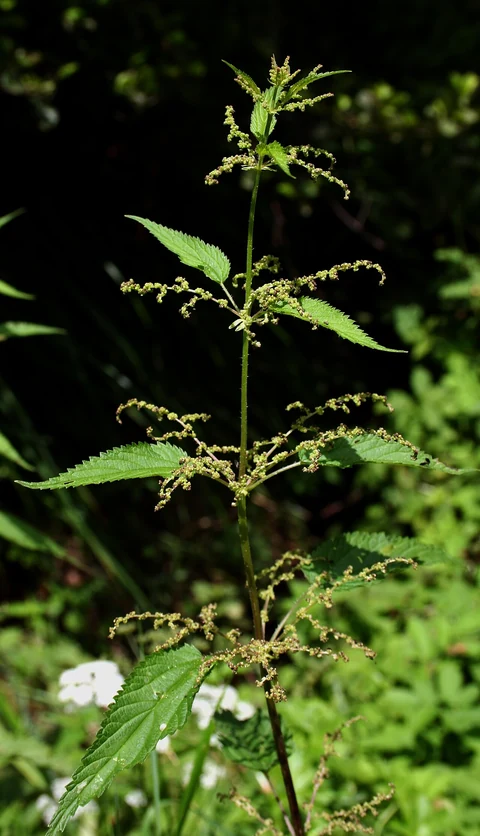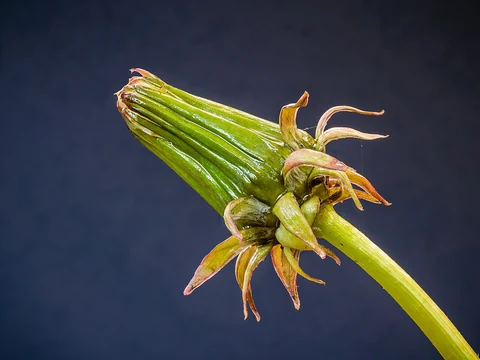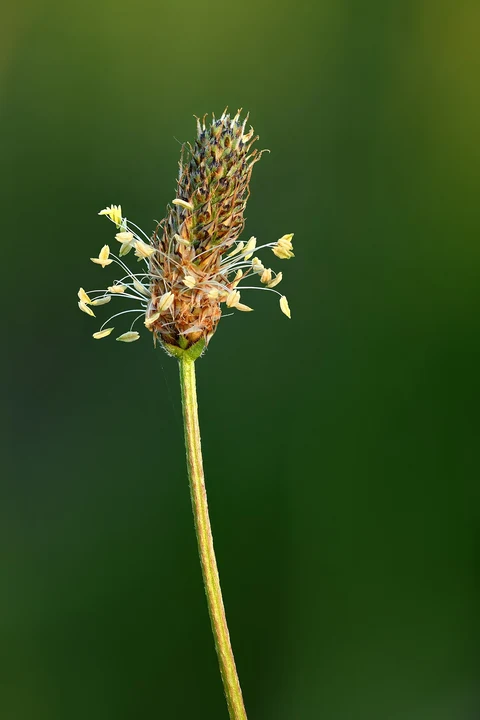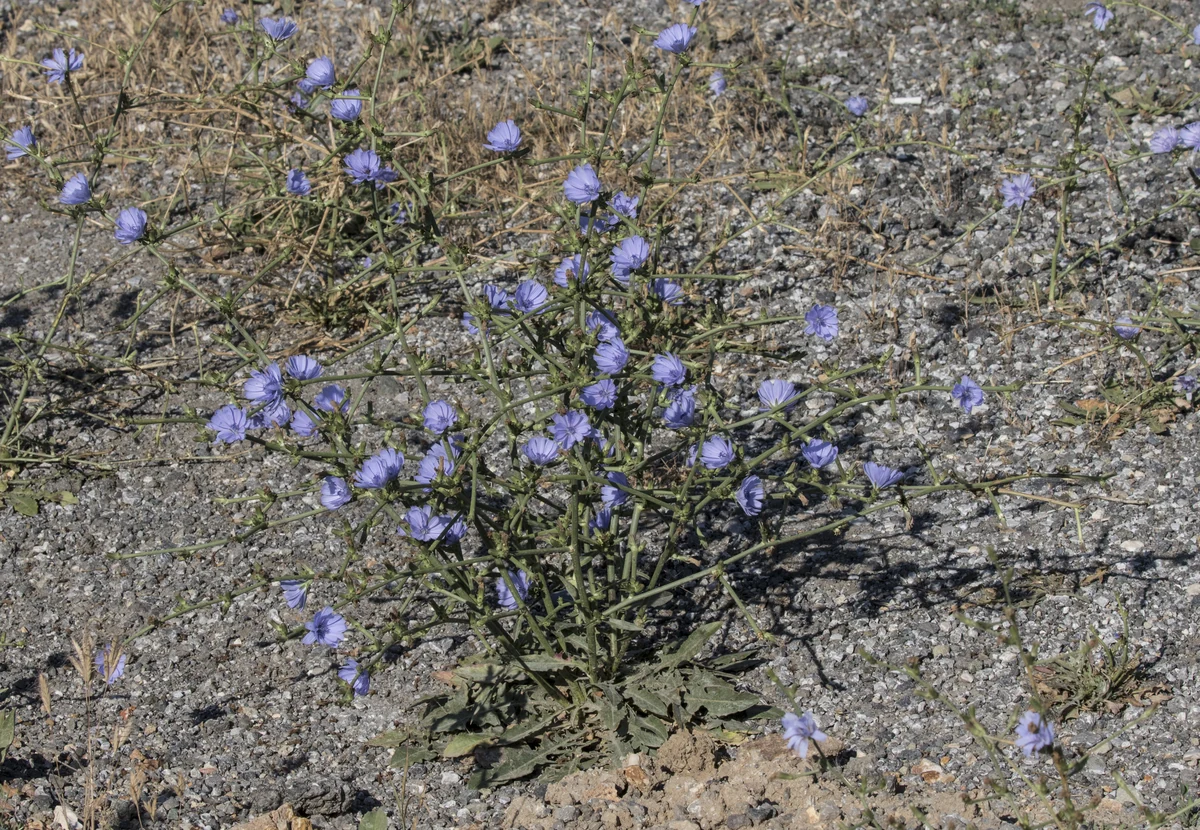
Flowering chicory (Cichorium intybus) in Turkey. Resized and converted to WebP; no cropping or content edits.
Zeynel Cebeci · CC BY-SA 4.0 · Source · EXIF orientation respected; resized without cropping or upsampling; converted to WebP at quality 88. No other content edits.
The roadside plant and the cultivated crop
Chicory develops a basal rosette of leaves and branching stems carrying clear blue flower heads. The robust root is central to many herbal preparations. Culpeper distinguishes cultivated and wild succory and describes the bitter taste; the older name succory remains useful when searching historic texts.
Cichorium intybus includes cultivated forms selected for leaves or roots. A bag of roasted root beverage and a fresh roadside plant therefore share a botanical connection without being identical materials.
Bitterness and the old language of the liver
Culpeper discusses leaves, roots and seeds in connection with the liver, urine, fevers and jaundice. Preparations include boiling in water or wine and using expressed or distilled liquids. In the older system, a plant's taste and perceived cooling effects helped organise its medical role.
The source shows that bitterness, digestion and the movement of bodily fluids were linked in the herbalist's reasoning. The different parts also mattered, each with its own preparations.
Sources: [C]
A sharply local Polish record
At Dobczyce, Udziela records chicory roots steeped in spirits together with leaves and roots of biedrzeniec, identified in the wider account as a Pimpinella plant. The resulting drink was reportedly used against cholera, dysentery and internal pains. He also records blessing chicory with other herbs on 15 August.
This short passage is unusually valuable because it gives a place, a preparation type and a compound ingredient. It records a compound spirit remedy for some of the most feared diseases of the time.
The village remedy was a compound of two plants, and its purpose belongs to that compound.
Sources: [U]
Root preparations in the household
Editorial collection guidance: A decoction heats cut root in water; an infusion steeps it in hot water; a tincture extracts into alcohol. Roasting changes the material again, producing the familiar food beverage ingredient. These operations have different purposes and should be labelled distinctly in a household collection.
The roasted food drink and the raw medicinal root were different materials. If cultivating roots for study, identify the flowering plant first, lift only the intended crop, clean away soil, cut to allow even drying and keep fully dried pieces protected from moisture. Record whether the material is raw-dried or roasted.
Present-day editorial handling guidance, not a recipe or a claim attributed to the historical author. Historical source supports identity, part and use only.
The watcher beside the road
Fernie records a German story in which an abandoned princess wishes to remain watching for her lost beloved and becomes roadside succory. The location of the flower makes the transformation intelligible: the plant stands where a watcher might wait. It is a narrative explanation of a familiar sight, told by Fernie without a named storyteller or village.
Culpeper interprets another visible feature differently. He notes flowers closing and explains it through the plant's supposed cold nature and inability to endure the sun. Together with the transformation tale, the passage shows how one roadside plant could attract both medical reasoning and a story about longing.
Udziela's Polish name podróżnik also directs attention to the roadside or traveller's world, an association that echoes the princess story without being the same tale.
Roasting the root changed its place in the household
Fernie describes French use of roasted chicory root in coffee, emphasising the added dark colour, body and bitterness. This is a material change produced by processing the root. The raw bitter plant in an herbal decoction and the roasted food ingredient belong to related but distinct preparation histories.
His discussion includes old constitutional judgments about who should or should not drink the mixture, and a homoeopathic argument about visual symptoms. They show that even a familiar beverage ingredient could be placed within competing medical systems.
The crop also had leafy uses. Culpeper distinguishes garden and wild succory and compares them with endive, while Fernie moves among cultivated food forms. Their terminology does not always match current crop classifications. A leafy vegetable, cut medicinal root and roasted beverage material were different products, even when an old text called them all succory.
The root in water
The European Medicines Agency's monograph on chicory root, written for traditional herbal medicinal products, records 2–4 g of cut root in 250 ml of water, once daily, prepared either as an infusion or as a decoction, within traditional use for digestive complaints. For the infusion, the root is covered with boiling water and steeped, covered, for five to fifteen minutes; for the decoction, it is brought to the boil from cold and simmered, the agency's general guidance giving fifteen to thirty minutes. Both are strained and made fresh.
A raw-dried sample and a roasted food sample, kept separately labelled, make the processing distinction tangible: their appearance and aroma show which material a historical passage actually describes.
Wild flower, vegetable, bitter root and roasted drink
Chicory's history is richer when its separate roles remain visible. Culpeper's succory, cultivated and wild, was a bitter herb for the liver, urine and fevers whose flowers closed against the sun. Fernie's roadside plant was a princess watching for her beloved, and his French root was roasted for coffee. At Dobczyce the root went into spirits with biedrzeniec and was blessed on 15 August. Today the European Medicines Agency describes chicory root preparations within its traditional-use framework for temporary loss of appetite and mild digestive complaints, with its own conditions of age and use.
Wild flower, cultivated vegetable, bitter herbal material, roasted drink and blessed household plant: one species held all five places.
Sources
- [C] Nicholas Culpeper. The Complete Herbal (1850). Succory or Chicory, printed pp. 176–177
Historical botanical description, attributed uses and preparation forms
Thomas Kelly expanded edition; not a modern treatment recommendation.
- [U] Seweryn Udziela. Rośliny w wierzeniach ludu krakowskiego, Lud 30 (1931). Entry 38, Cichorium Intibus, printed p. 47
Local recorded practices from fieldwork 1894–1899
Regional reported tradition, not evidence of therapeutic effectiveness.
- [E] European Medicines Agency, HMPC. Chicory root: summary for the public (2013). Overview and public summary, published 2014
Traditional-use scope and age/duration limits for chicory root medicines
Applies to specified root products, not every food or historical compound.
- [F] William Thomas Fernie. Herbal Simples, second edition (1897). Succory, pp. 541–543
Roadside transformation story and French roasted-root coffee practice
Includes obsolete physiology, homoeopathic reasoning and conflation of cultivated forms.
- [M] European Medicines Agency, HMPC. Community herbal monograph on Cichorium intybus L., radix (2013). Preparation and precautions, pp. 3–4; full PDF checked
Root infusion or decoction quantity and safety scope
Not a claim about roasted coffee mixtures or the Dobczyce compound.
- [T] European Medicines Agency, HMPC. Draft template for a European Union herbal monograph: herbal teas (2016). Infusion/decoction definitions, pp. 4–7
General water-preparation procedure
The chicory monograph supplies the plant-specific quantity.