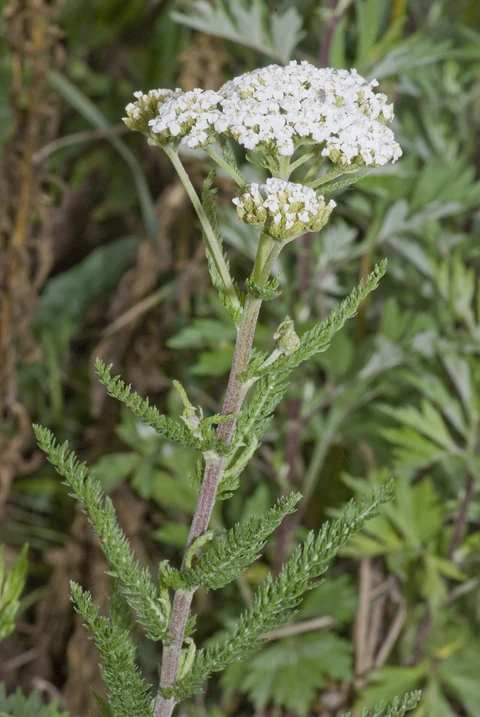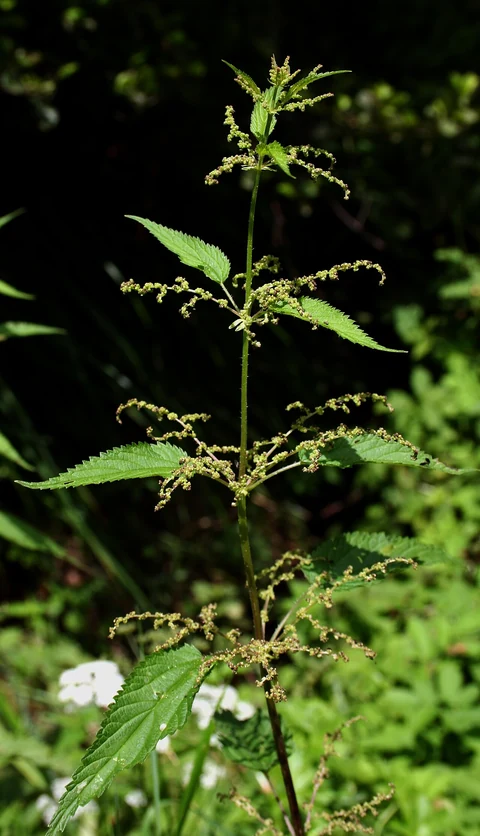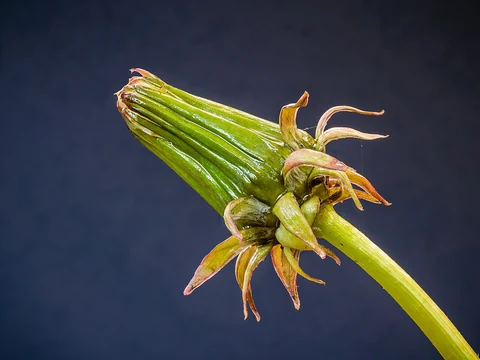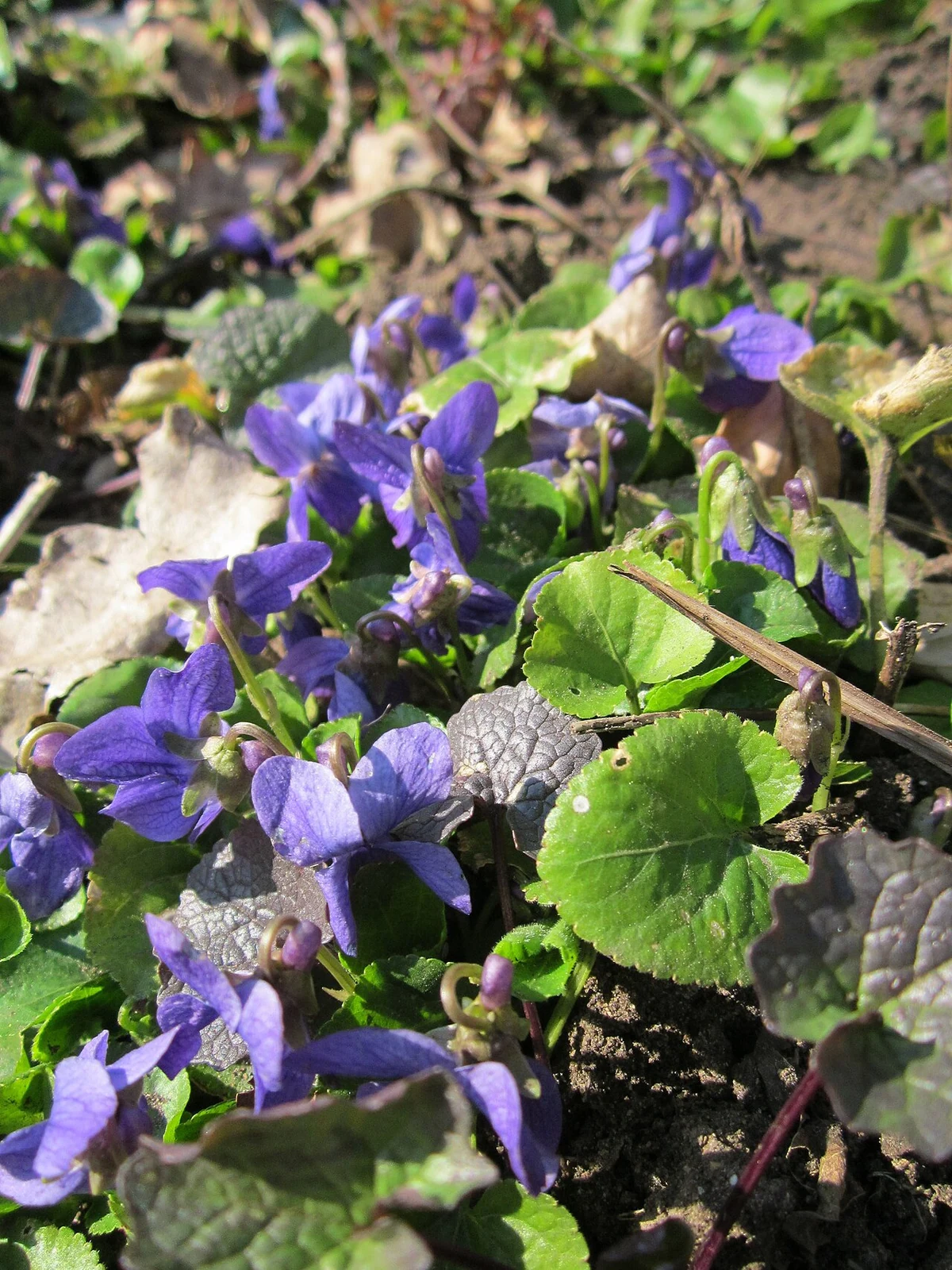
Purple flowers of sweet violet (Viola odorata) among its leaves. Resized and converted to WebP; no cropping or content edits.
AnRo0002 · CC0 · Source · EXIF orientation respected; resized without cropping or upsampling; converted to WebP at quality 88. No other content edits.
A fragrant spring plant, not every violet
Sweet violet is a low perennial with heart-shaped leaves and fragrant flowers, usually purple but sometimes pale or white. It grows in hedges, woodland edges and gardens in much of Europe. The flowering season is often early spring, but climate, exposure and local population alter the dates.
The distinction from Viola tricolor, the heartsease or wild pansy of other herbal accounts, is important. They have different appearances and source histories. Nor does a violet-coloured ornamental flower necessarily belong to either medicinal tradition. This article concerns Viola odorata, while recognising that older entries headed simply violets may not observe today's species boundaries consistently.
Cooling flowers in the old herbal
Culpeper places violets among cooling and moistening remedies. He describes flowers in syrups and conserves and leaves in external applications. The language of heat, dryness and bodily humours explains why the plant was associated with several apparently different complaints. It belongs to an older medical system.
His entry also extends to serious illnesses and children's ailments. Their inclusion demonstrates the breadth of historical recommendation.
Sources: [C]
What a violet syrup actually was
A flower syrup captured an aqueous flower preparation in a sweet medium. A conserve retained more of the flower material in sugar, while a honey preparation used a different base. Culpeper's discussion also notices colour changes and mentions lemon juice. Such details make violet preparation part of kitchen and apothecary craft as well as medicine.
The same historical entry also gives an alternative method using oil of vitriol, a mineral acid.
Sources: [C]
Two villages, two recorded practices
Udziela's entry names a decoction of violets used against whooping cough in Wieliczka. At Rzeszotary he records leaves gathered while dewy, boiled and drunk for a cold. The contrast between flowers or general plant material in one account and specified leaves in another is worth preserving.
These observations come from fieldwork in 1894–1899 and publication in 1931. The instruction about dew is part of the reported local practice.
Sources: [U]
A crop for the syrup maker
Fernie names Stratford-on-Avon as a place where violets were grown for syrup production. That reference moves the flower beyond a chance handful from a hedge. A supply intended for preparation could be cultivated and gathered as a crop. Cultivation explains the large quantity of fresh flowers in an old recipe.
His syrup sequence is detailed. Fresh flowers were covered with boiling water in a glazed vessel and left to infuse; the liquid was then poured off and gently strained, and sugar equal to twice the liquid's weight was added, with warming that avoided boiling. He specifies a long infusion in the original account. This is the syrup-maker's method as Fernie records it.
Violet sugar or violet plate, which he associates with the period of Charles II, belongs to a different sweet preparation. A conserve retains flower material rather than only the strained aqueous extract. Distinguishing the two explains why an old household could speak of the same flower in a drink, a spoonable preserve or a confection without those forms representing one fixed medicinal strength.
Sources: [F]
Colour, sweetness and the theory of cooling
Culpeper notices that adding lemon to violet syrup changes the drink's colour and gives it a tart taste. He interprets the mixture within a cooling medical framework. The colour change was an observation; the cooling explanation belonged to his medicine. His alternative used oil of vitriol, a mineral acid of the old apothecary.
The same entry distinguishes honey from sugar in the effects he assigns to a preparation. Sweetness alone was not the whole point in the older system; the vehicle had qualities of its own. Leaves fried with egg yolk for an external application are further removed from a flower syrup. They show how kitchen materials entered topical medicine.
These details make the source valuable as craft history. The maker handled colour, moisture, texture and taste while also working within a theory of heat and bodily humours.
Sources: [C]
Fragrance, beauty and two very different cough records
Fernie transmits a Highland cosmetic recipe through Lightfoot, involving violets and goat's milk, with extravagant promises of beauty. He also tells of a French actress receiving seasonal violet bouquets and later using their petals in an infusion. Such anecdotes show how fragrance, admiration and personal ritual could surround the flower.
Udziela offers a different kind of evidence: named places near Kraków and short statements of what people used. His Wieliczka whooping-cough decoction and Rzeszotary dewy-leaf preparation stand apart from Fernie's sweet flower syrup, with their own plant part, carrier and purpose.
In the kitchen, food-grade sweet-violet flowers can still garnish a freshly prepared dish, an editorial suggestion that brings the flower's appearance and scent to the table.
Gathering and keeping the parts separate
Editorial collection guidance: Collecting a small proportion of flowers leaves food for insects and allows seed production. Take sound leaves separately and avoid stripping a whole patch. Record whether a jar contains flowers, leaves or a mixture, because the sources do not make them equivalent. Dry thinly with good ventilation; flowers lose colour and fragrance when handled badly or kept damp.
Other violet accounts also describe the roots, used to make a person vomit, and applications to the eyes.
Violet's strongest contribution is a clearly located history of spring gathering, sweet preparations and household care, from Culpeper's cooling syrups and the Stratford syrup crops to the cough remedies of Wieliczka and Rzeszotary.
Present-day editorial handling guidance, not a recipe or a claim attributed to the historical author. Historical source supports identity, part and use only.
Sources
- [C] Nicholas Culpeper. The Complete Herbal (1850). Violets, printed pp. 188–189
Historical botanical description, attributed uses and preparation forms
Thomas Kelly expanded edition; not a modern treatment recommendation.
- [U] Seweryn Udziela. Rośliny w wierzeniach ludu krakowskiego, Lud 30 (1931). Entry 138, Viola odorata, printed p. 71
Local recorded practices from fieldwork 1894–1899
Regional reported tradition, not evidence of therapeutic effectiveness.
- [F] William Thomas Fernie. Herbal Simples, second edition (1897). Sweet-violet portion of Violet chapter, pp. 592–594
Syrup sequence, Stratford-on-Avon cultivation, violet sugar and attributed cosmetic/literary customs
Separate from preceding Viola tricolor section; historical doses and infant claims are not recommended.