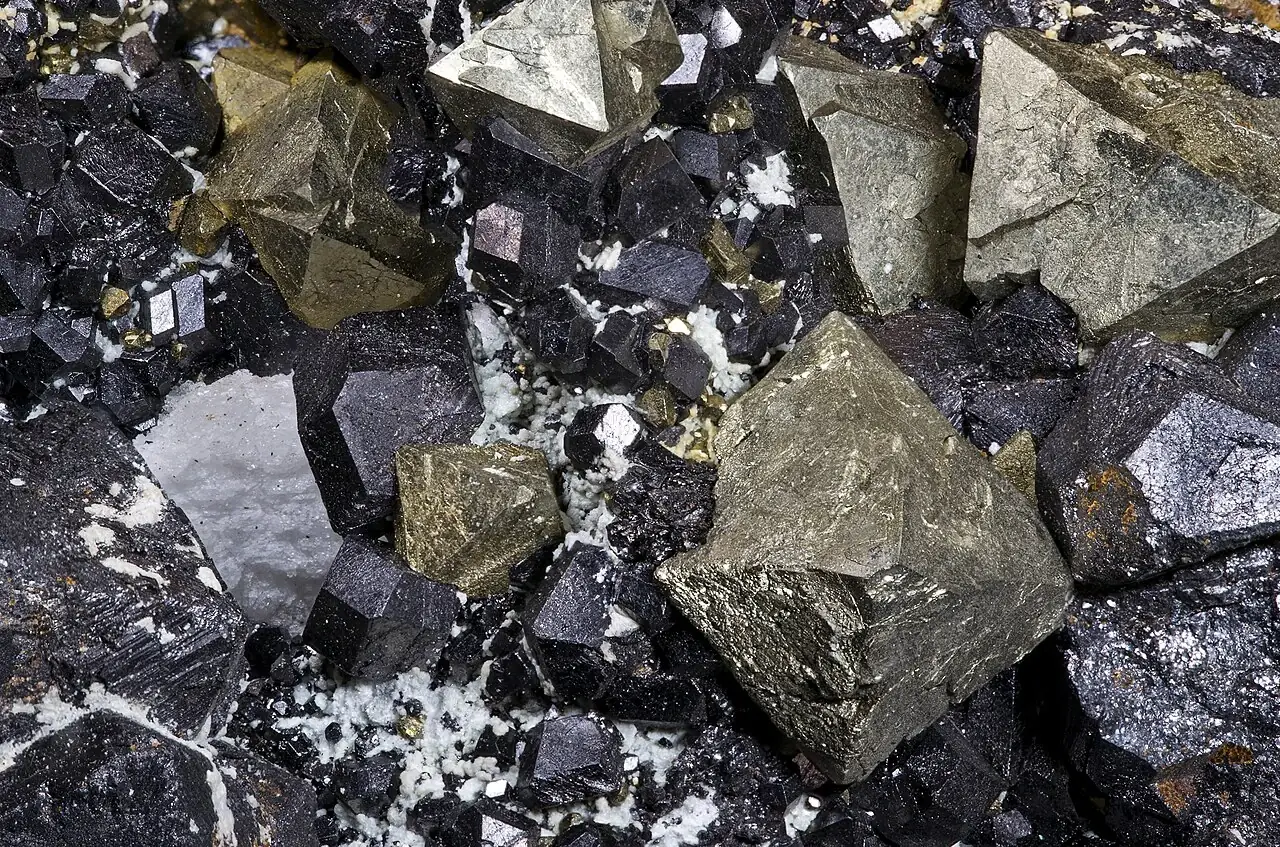
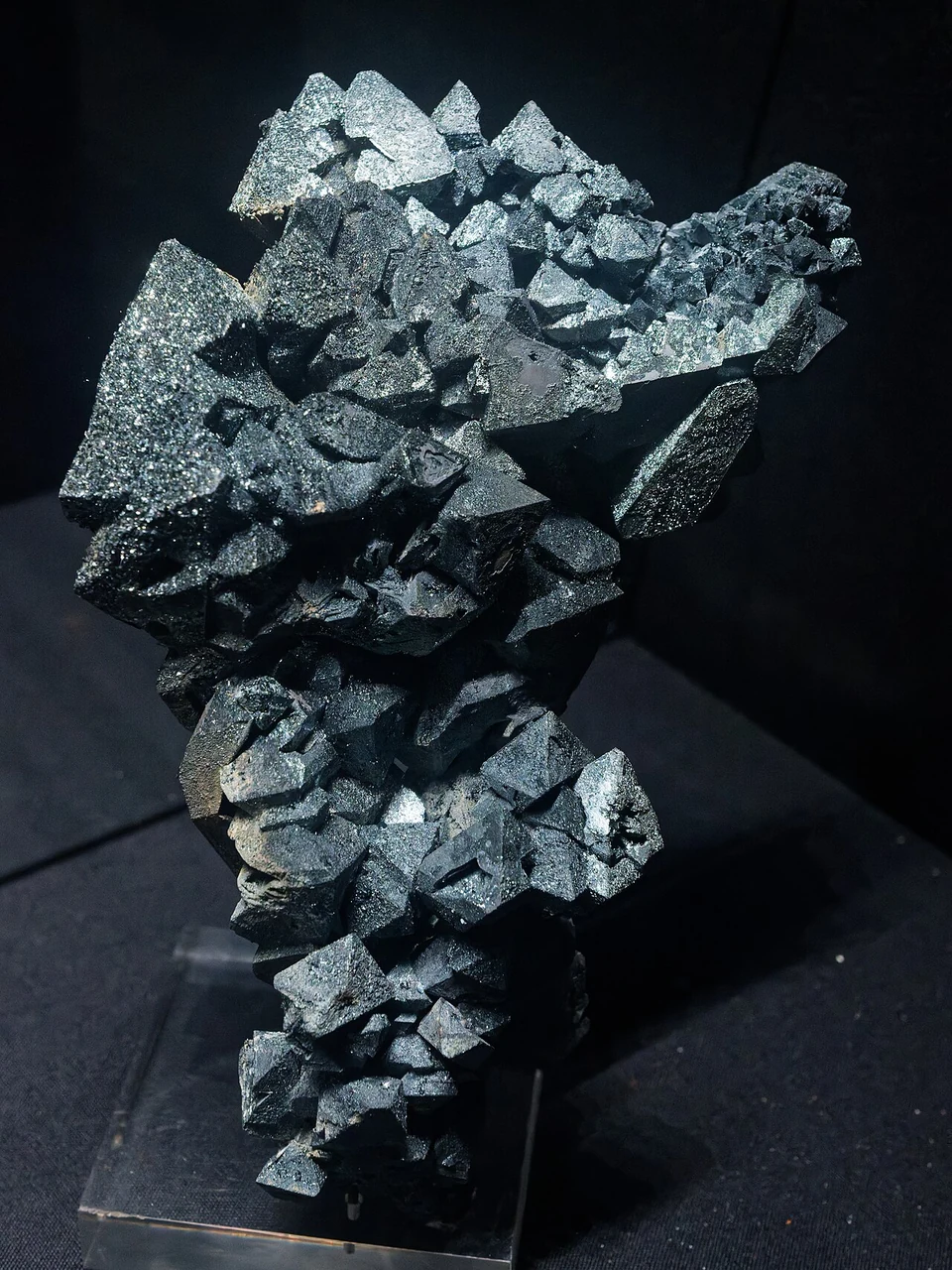
Magnetite is an iron oxide with magnetic properties. In lithotherapy, lodestone particularly denotes naturally magnetised material; specimens do not all have the same magnetisation. We separate the physical phenomenon from symbolic accounts of attracting events.
The Crystal Council describes magnetite through attraction, intention setting and grounding. Natural magnetism serves as a metaphor for attracting a desired direction in life. It names all chakras and connects aura protection with stability and consciously choosing an intention. Within this narrative, the stone accompanies concentration on what the practitioner wishes to develop. Lithotherapy particularly features lodestone, naturally magnetised material. This distinction matters when reading its symbolism, since not every magnetite specimen possesses equally noticeable permanent magnetisation. [347]
A second author and the context of correspondences
Healing Crystals describes magnetite, particularly lodestone, as symbolic protection for people attentive to others’ emotions. Meditation is presented as ordering scattered energy, while stone grids harmonise it. The root is its principal correspondence, although intuition is also mentioned. The author suggests magnetite as an alternative when haematite symbolism feels too heavy. Compared with TCC’s emphasis on attraction, this is a more relational account of personal boundaries, stability and choosing an object suited to one’s practice. [348]
An Avonoria editorial suggestion
Editorial suggestion — not a documented rite
Original Avonoria interpretation. We translate attraction into a question about what occupies attention. In this original proposal, magnetite marks a chosen task. Deliberately selecting one concern allows a quiet, defined period to be devoted to it.
Exercise. While looking at an enclosed specimen, list three things that recently attracted your attention. Mark one to which you actually want to give time and plan a brief first step. Set the others aside. Do not bring the specimen near a phone, watch, cards or medical devices during the exercise. If a safe place is unavailable, use the note alone; reflection does not require magnetite.
Returning to everyday life. Write the chosen intention in a notebook and leave the specimen in its designated place. After the short task, record what helped sustain attention. That observation can inform the next planning session.
Scope of the sources: The FDA warning concerns interference from strong magnets; no field of an individual sample was measured and phone separation distances were not transferred to every mineral.
Black metallic crystals, often octahedral, and granular aggregates; a strongly magnetic mineral. [346]
Reference properties
View under neutral lighting and compare existing surfaces only. Hardness and streak below are reference data: do not scratch, break, heat or grind the specimen. Ask a specialist to examine valuable or unidentified materials.
Magnetite occurs in various igneous and metamorphic rocks and ore deposits.
Material facts
It occurs in igneous and metamorphic rocks and banded iron formations. Kiruna in Sweden is one well-known locality. [346]
Personal / spiritual practice
Ask whether the object is a natural specimen or a manufactured magnetic product sold under a stone name. ‘Magnetic haematite’ is insufficient to identify magnetite. Never assess magnet strength by approaching implants or devices. Accurate labelling and secure storage matter more in a collection than spectacular attraction of metal objects.
Clean dry and store away from sensitive equipment. The FDA warns that strong magnets can interfere with implanted medical devices; we do not determine a safe distance for an individual specimen. People with an implant should follow their device manufacturer’s guidance. Avoid elixirs, home grinding and dust contact.
Storage and specimen form
A separate, stable labelled container; protect against falls and access by children or pets.
Care is a precautionary editorial policy for an intact specimen with unconfirmed treatment. Wash hands after handling rough material; do not perform scratch, heat or acid tests.
Do not grind or drill at home. Dust is a different exposure route from handling an intact specimen. [37]
FAQ
Is every magnetite specimen lodestone?
No. Lodestone denotes naturally magnetised material; specimens vary in permanent magnetisation. With an implanted medical device, follow its magnet guidance and consult the clinician responsible for your care.
What research says — in brief
The cited clinical trial concerned rose quartz, not this atlas entry. It does not establish a therapeutic effect for this material; the symbolism is presented for understanding traditions and personal practice. [159]
MagnetiteMineral Data Publishing / Handbook of Mineralogy · accessed 2026-10-29
Mineralogical, gemological, institutional or scientific source. Its scope is recorded in the source index.
Magnetite Meanings and Crystal PropertiesThe Crystal Council · accessed 2026-10-29
Commercial practitioner source: documents beliefs, not medical evidence. The site sells crystals, so we give a bibliographic description without an active link; the full address is kept in Avonoria’s source documentation.
hematiteMineral Data Publishing / Handbook of Mineralogy · accessed 2026-10-29
Mineralogical, gemological, institutional or scientific source. Its scope is recorded in the source index.
Placebo effects in alternative medical treatments for anxiety: false hope or healing potential?Cambridge University Press / CNS Spectrums · 2025 · accessed 2026-10-29DOI: 10.1017/S1092852925100515
Mineralogical, gemological, institutional or scientific source. Its scope is recorded in the source index.
Magnets in Cell Phones and Smart Watches May Affect Pacemakers and Other Implanted Medical DevicesUS FDA · accessed 2026-10-29
Mineralogical, gemological, institutional or scientific source. Its scope is recorded in the source index.
Magnetite — second practitioner accountHealing Crystals · accessed 2026-10-29
Commercial practitioner source: documents beliefs, not medical evidence. The site sells crystals, so we give a bibliographic description without an active link; the full address is kept in Avonoria’s source documentation.