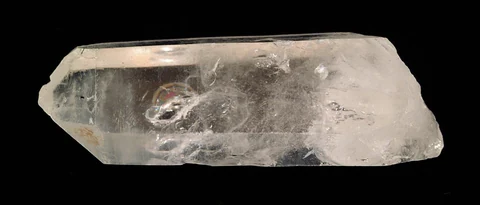
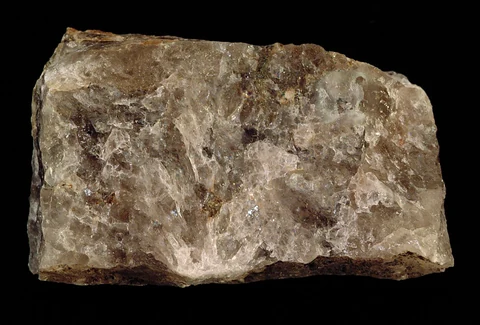
A colourless, transparent variety of quartz. Rock crystal is a variety name rather than a separate mineral species. Its regular form reflects the crystal structure of quartz.
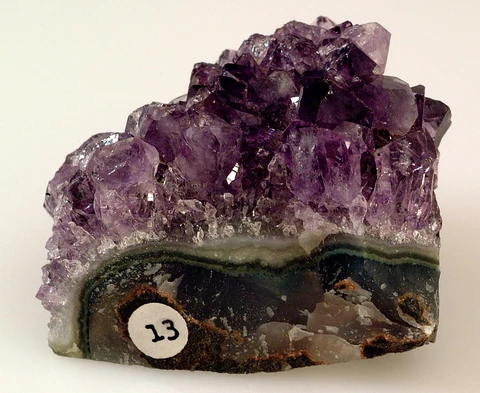
A purple quartz variety valued as a jewellery stone. Colour intensity and distribution can vary. Natural origin, treatment and quality are separate questions when buying.
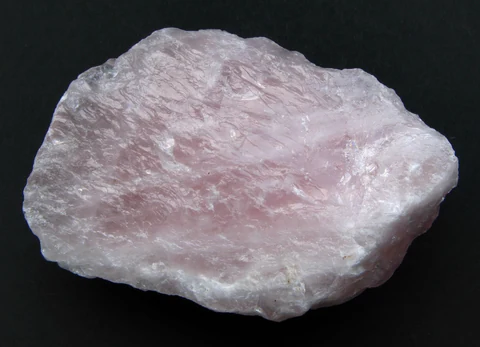
A pink quartz variety, often with a cloudy appearance. Its colour does not imply a physiological effect. Contemporary lithotherapy associates it with kindness.
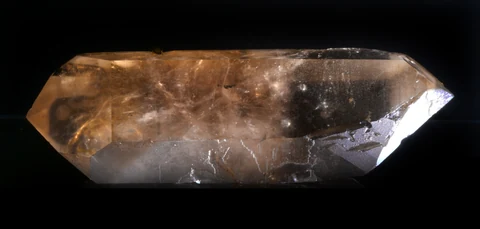
Transparent quartz ranging from pale yellow to brownish orange. Natural citrine is rare; many commercial specimens obtain their colour by heating amethyst. Disclosed treatment does not automatically mean imitation.
A brown to nearly black quartz variety. Identification separates the colour name from the mineral species. Dark colour alone cannot establish whether a specimen is quartz, glass or another material.
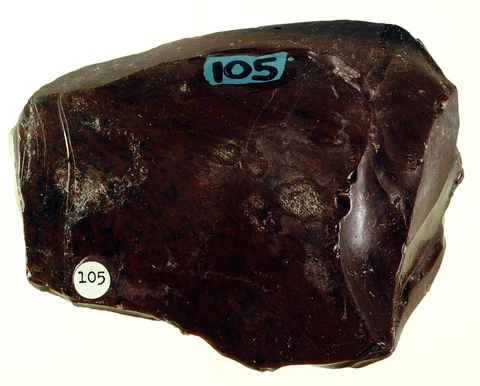
Natural volcanic glass rather than a mineral with a regular crystal lattice. It forms from rapidly cooling silica-rich lava. Sharp edges require care when handling rough material.
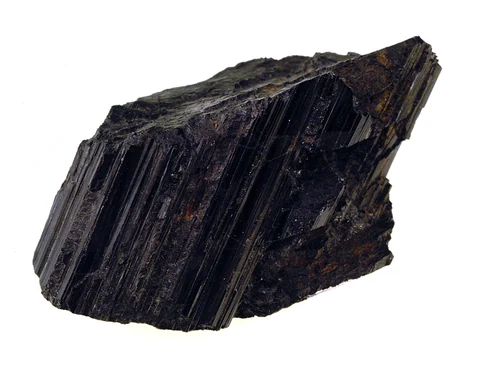
In this record, black tourmaline means schorl. Tourmalines form a mineral group; black colour or a trade name alone cannot confirm the species. Claims of protection from device radiation are not established.
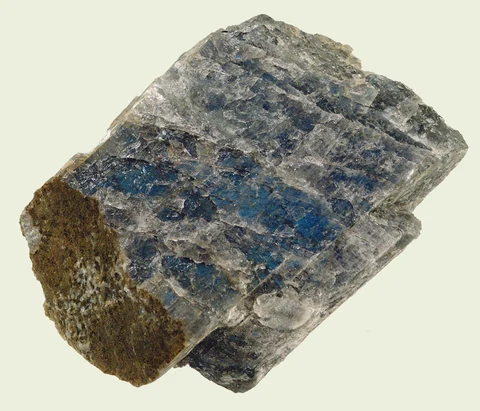
A name for a plagioclase compositional range, often showing striking colour play. Museum Wales describes labradorite as an informal term for An50–70 composition, rather than a separate currently approved mineral species.
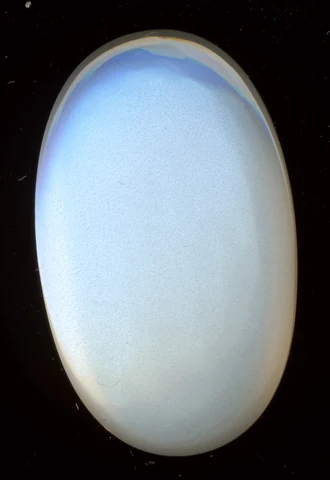
A feldspar gem variety known for adularescence, a glowing optical effect. GIA describes typical moonstone as orthoclase with layers of albite. Trade names do not always refer to the same variety.
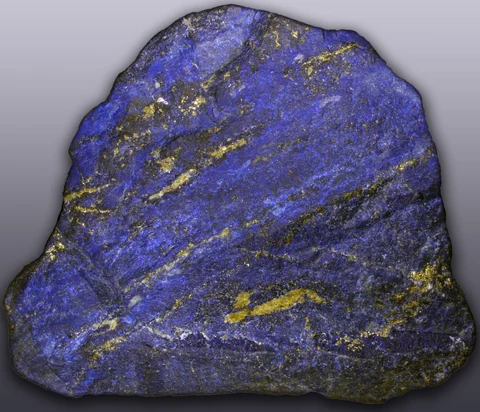
A blue rock composed of several minerals, rather than a single mineral species. It can contain pale areas and golden pyrite grains. Its composition affects its properties and care.
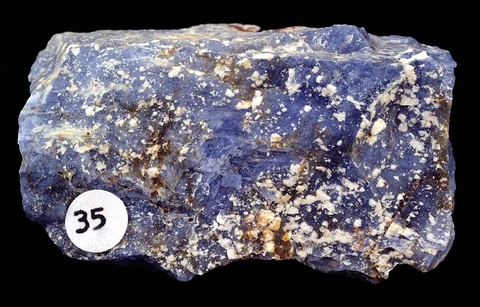
A sodium aluminosilicate containing chlorine, often blue although the species can occur in other colours. It is not the same material as lapis lazuli. Colour alone is insufficient for identification.
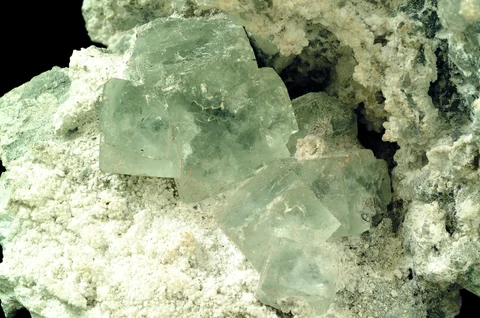
Calcium fluoride occurring in many colours. Hardness 4 and perfect cleavage mean it needs protection from scratches and impact. Fluorescence is not a universal identity test.
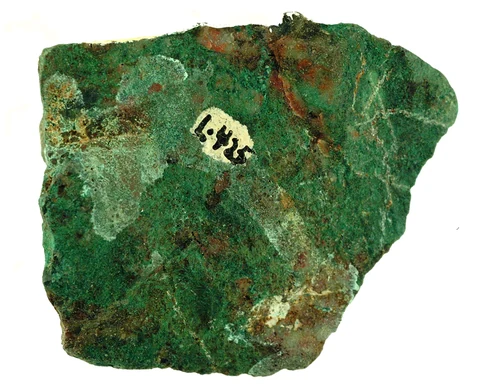
A green copper hydroxycarbonate, often in banded aggregates. Copper is part of the mineral; this does not mean touching every polished specimen causes poisoning. Dust, ingestion and unknown impurities require different assessment.
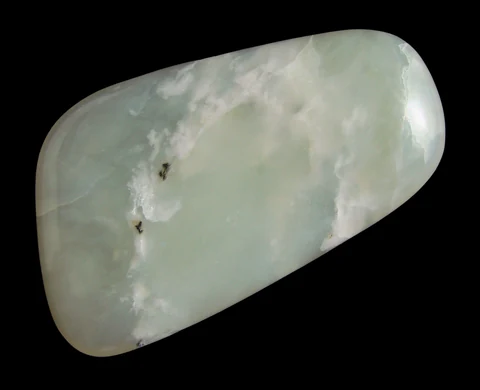
A pyroxene mineral. Jade can mean jadeite or nephrite, which are not the same species. The fine-grained structure of gem jadeite can provide high resistance to breaking.
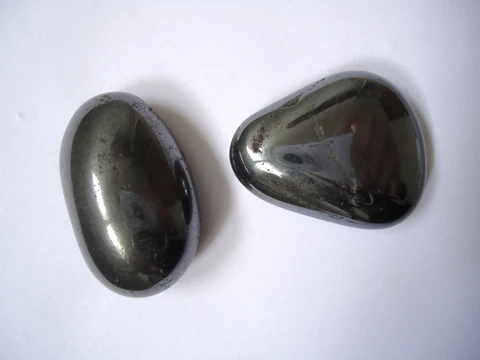
An iron oxide ranging from steel-grey crystals to red earthy aggregates. Its characteristic reddish-brown streak is more useful for identification than metallic appearance alone. Avoid destructive tests on jewellery.
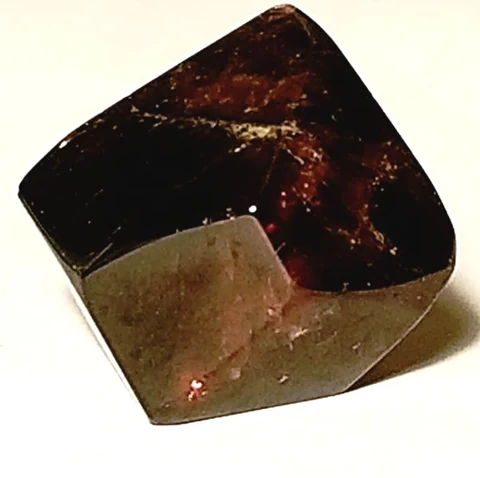
A mineral group rather than one species with a fixed composition. Almandine, pyrope and other garnets differ in chemistry and properties. This card gives a gem-material range; a more precise description needs species identification.
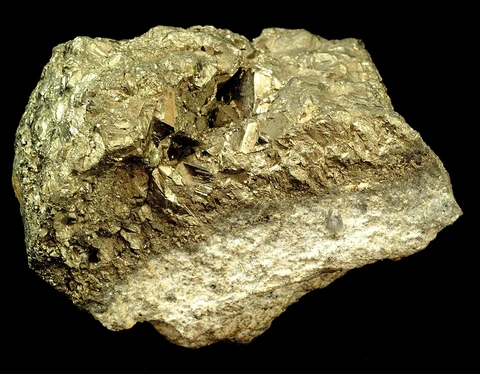
An iron sulfide with metallic lustre and a brass-yellow colour, sometimes mistaken for gold. Some specimens decay in humid conditions; care also concerns materials stored nearby.
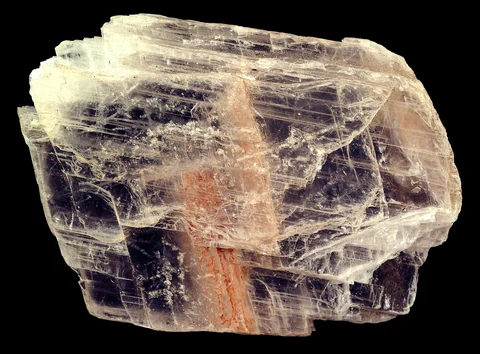
A crystalline gypsum variety, very soft and easily damaged. Museum Wales distinguishes selenite from fibrous satin spar; trade labels often blur the distinction. Selenite is not a selenium mineral.
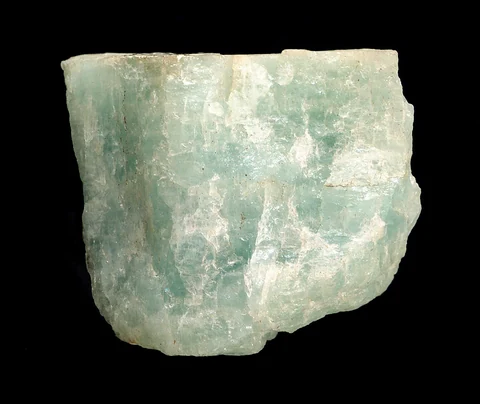
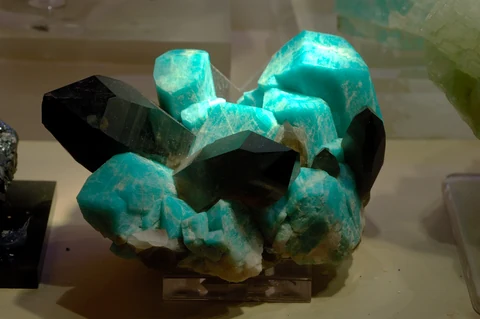
A green to blue-green microcline variety in the feldspar group. We do not generalise colour mechanisms or lead content to every specimen without material-specific analysis.