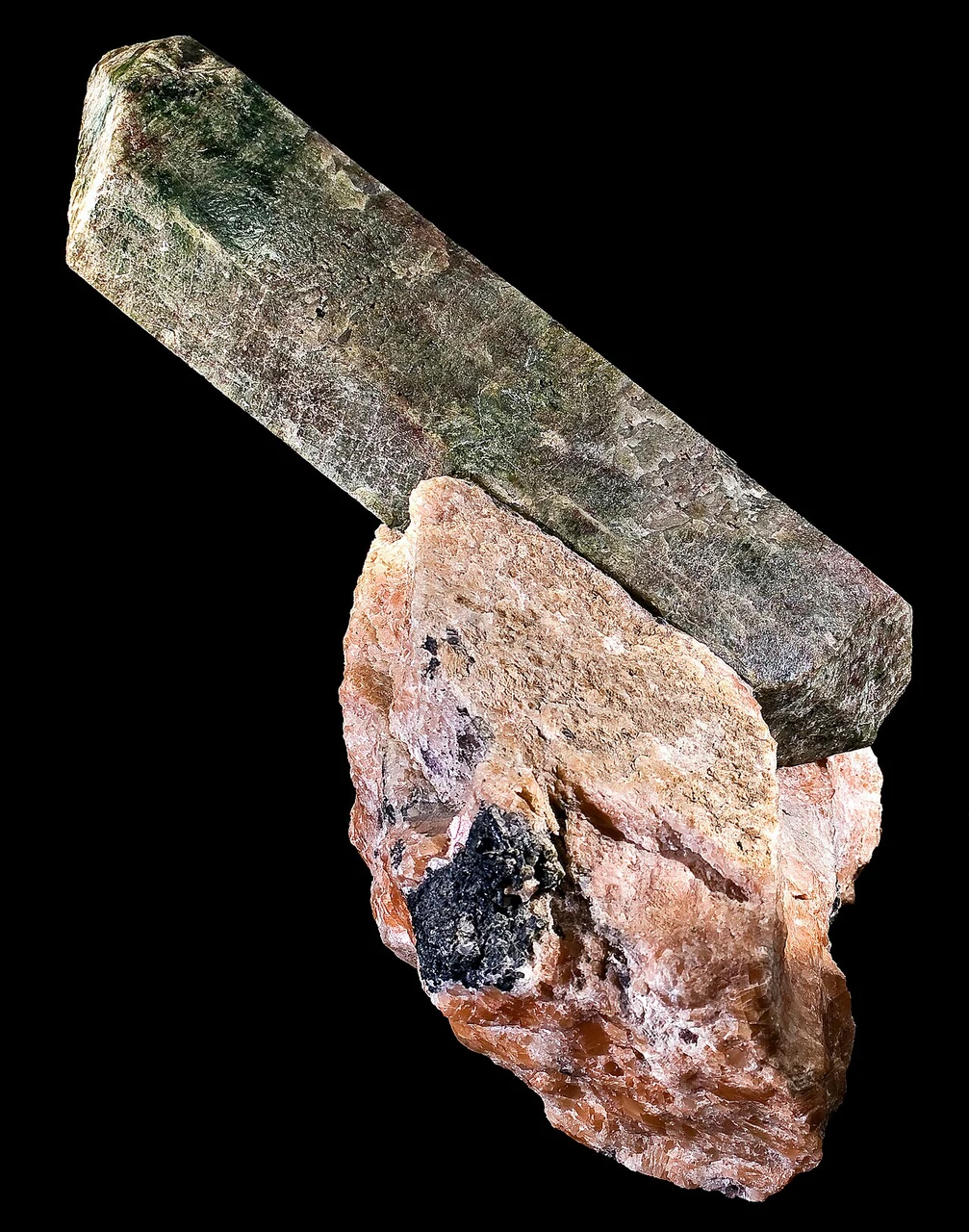
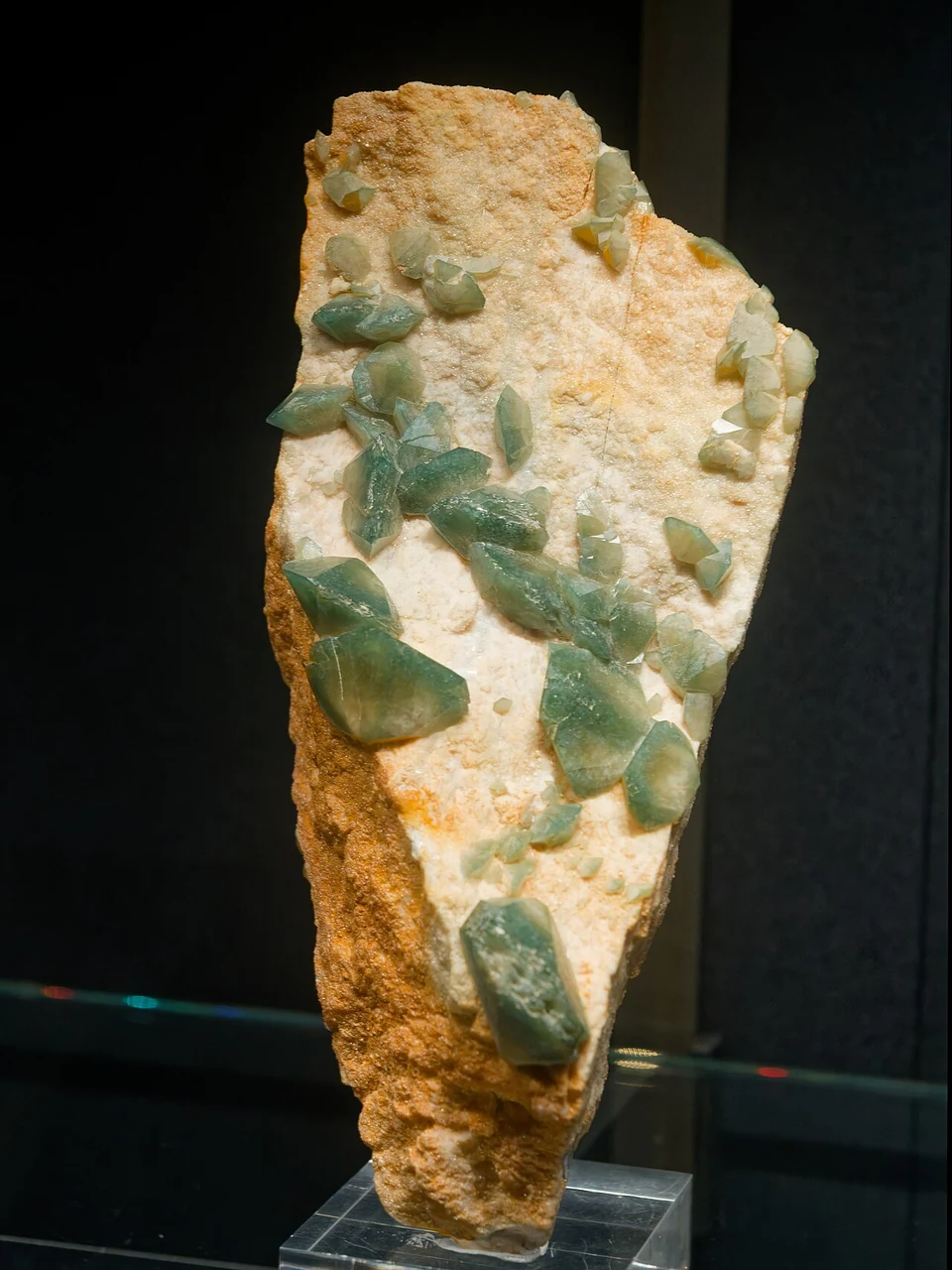
Apatite is the name of a phosphate group; not every apatite sold has been identified to species. This entry covers a familiar gem and collector material, using fluorapatite for reference data. Blue and green colours do not create separate species.
The lithotherapy layer principally concerns blue apatite. Knowledge and creative expression are its themes, clearly separated from dietary advice.
Lithotherapy tradition
The authors’ meanings and correspondences are presented in the full lithotherapy extension. [275][276]
Meaning in lithotherapy
The Crystal Council describes blue apatite as a symbol of future plans, learning and self-insight, mentioning lucid dreams and extended meditation. These attributions concern the blue material in its account. The account directs attention towards knowledge, self-discovery and future possibilities. Contemporary manifestation becomes a way to imagine life’s direction, and dreaming a symbolic space for finding ideas. [275]
Correspondences and differences
The main themes here are learning and planning, following The Crystal Council’s text. No arbitrary list of planets and chakras is added for all apatites. [275][276]
A second contemporary approach
Crystal Vaults describes blue apatite through creative learning, motivation and expression. It links throat and third eye, whereas TCC develops insight and envisioning the future. These correspondences are not extended to every apatite-group mineral. The author places personal goals beside the common good. Knowledge symbolism therefore extends beyond collecting information towards sharing it and teaching. [276]
An Avonoria editorial suggestion
Editorial suggestion — not a documented rite
An original learning practice: place apatite beside a book, select a short passage and write the question you want to answer. After reading, close the text and explain the topic in your own words. Mark what you still do not understand and return to the source. Mark the correction in another colour. The stone can signal the beginning of a session; checking information remains your own activity. Finally, consider who might benefit from what you have learnt and in what setting, then allow yourself a rest. An ordinary blue highlighter can replace apatite.
Scope of the sources: You can describe your own sensations as personal experience. The exercise does not require accepting every belief in both catalogues; choose meanings you understand and leave room to revise your interpretation.
Apatite is the name of a phosphate group; not every apatite sold has been identified to species. This entry covers a familiar gem and collector material, using fluorapatite for reference data. Blue and green colours do not create separate species. [255]
Reference properties
Observe existing surfaces in neutral light. Mohs values are not instructions to scratch, break or heat.
Fluorapatite: Ca₅(PO₄)₃F, Mohs hardness 5, usually hexagonal crystals; the Handbook also includes a monoclinic form. This formula is not automatically assigned to the entire apatite group. [255]
Typical material forms
Reference fluorapatite forms short to long prismatic crystals; this does not identify the species of every piece sold as apatite. [255]
Common lookalikes and imitations
Turquoise
Why it looks similar
Blue varieties can resemble one another in colour.
What can help distinguish it
The apatite group and turquoise have different compositions despite both containing phosphate. Identification requires specimen information.
What a photograph cannot establish
A photograph does not establish composition, hardness or treatment.
Fluorapatite is a widespread rock-forming phosphate. The Handbook lists igneous rocks, pegmatites, marbles, skarns and sedimentary phosphorites. That range does not reveal the origin of an individual blue piece from its name alone. [255]
Editorial suggestion — not a documented rite
Keep the seller’s species identification together with its stated certainty. Ask about repairs and treatment, and choose a setting that shields jewellery edges. Do not add a more precise name from colour alone.
Personal / spiritual practice
You can describe your own sensations as personal experience. The exercise does not require accepting every belief in both catalogues; choose meanings you understand and leave room to revise your interpretation.
We adopt cautious dry cleaning without soaking or salt. Unknown matrix and treatment require separate assessment. Protect edges and avoid steam, ultrasound and heating. This is an editorial precaution in the absence of specimen-specific advice, not a claim that every apatite dissolves in water.
Storage and specimen form
Store separately on a stable surface away from strong heat and falls.
We adopt cautious dry cleaning without soaking or salt. Unknown matrix and treatment require separate assessment. Protect edges and avoid steam, ultrasound and heating. This is an editorial precaution in the absence of specimen-specific advice, not a claim that every apatite dissolves in water.
Do not grind, drill or break the specimen at home. Dust requires a separate exposure assessment. [37]
FAQ
What should I know before choosing?
Do two apatite colours mean two species? No. Species identification requires composition and structure, not colour alone. Colour variants remain within one entry.
What research says — in brief
The cited clinical trial concerned rose quartz, not this atlas entry. It does not establish a therapeutic effect for this material; the symbolism is presented for understanding traditions and personal practice. [159]
FluorapatiteMineral Data Publishing / Handbook of Mineralogy · accessed 2026-10-29
Mineralogical, gemological, institutional or scientific source. Its scope is recorded in the source index.
apatite — Meanings and Crystal PropertiesThe Crystal Council · accessed 2026-10-29
Commercial practitioner source: documents beliefs, not medical evidence. The site sells crystals, so we give a bibliographic description without an active link; the full address is kept in Avonoria’s source documentation.
apatite-blue — meanings and usesCrystal Vaults · accessed 2026-10-29
Commercial practitioner source: documents beliefs, not medical evidence. The site sells crystals, so we give a bibliographic description without an active link; the full address is kept in Avonoria’s source documentation.
TurquoiseMineral Data Publishing / Handbook of Mineralogy · accessed 2026-10-29
Mineralogical, gemological, institutional or scientific source. Its scope is recorded in the source index.
Placebo effects in alternative medical treatments for anxiety: false hope or healing potential?Cambridge University Press / CNS Spectrums · 2025 · accessed 2026-10-29DOI: 10.1017/S1092852925100515
Mineralogical, gemological, institutional or scientific source. Its scope is recorded in the source index.